
Working with light — sun, flash, gels & dynamic range
Light is what a photographer actually works with; everything else is just tools. You can read it (it can be hard or soft — which is not the same thing as contrast), you can add your own, you can colour it to set a mood, and you can tame it when a scene is too contrasty for the camera. And sometimes you should simply let it go — and catch a sunbeam's flare in the frame. Here are a few techniques from practice: on the sun, flash, colour gels, and wrestling with dynamic range.
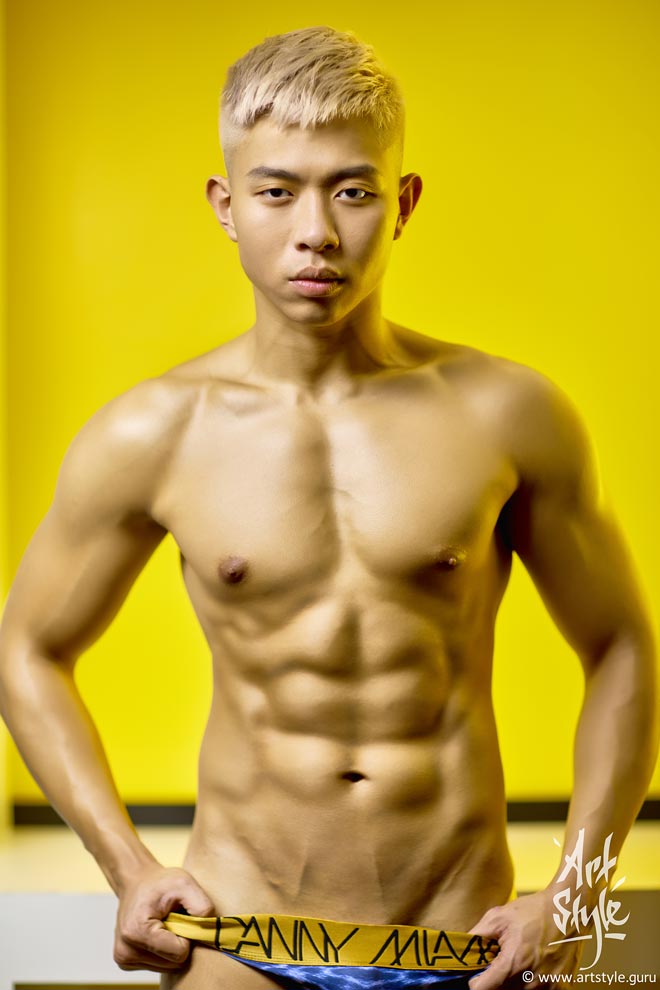
Many people confuse the hardness of light with its contrast, but the two are different things. Hardness is how abruptly light gives way to shadow. Contrast is the difference between the brightest and the darkest area of the frame. Here the light is contrasty (it brings out the relief of the muscles) and yet soft (it sits in harmony with the model's features and makes the skin look visually younger). The softness came from a strip box, and to keep the light's pattern crisp and contrasty, a grid was fitted over it.
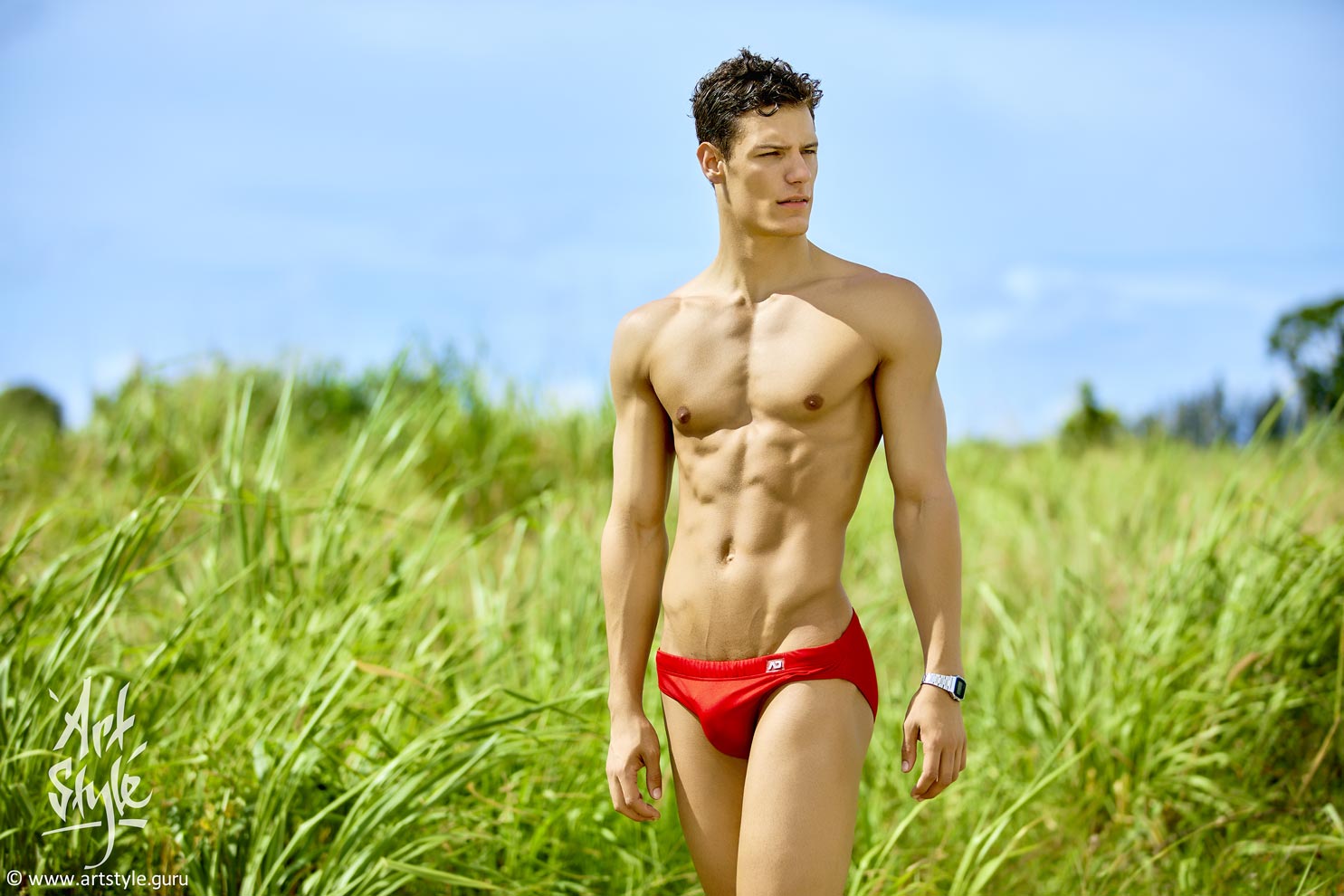
Direct sun is usually something to avoid in a portrait — it's too harsh and hard to control. For a fitness model, though, it's exactly the other way round: the merciless hard sun brings out every bit of the muscular relief.

A scene with a big brightness range is always a test: even the most expensive modern camera can't hold it in a single frame. This is exactly where a professional reaches for a flash — in broad daylight, under a bright sun. And not to make the shot brighter, mind you, but to reduce the contrast of the scene. Done properly, the flash light is something the viewer won't notice at all.
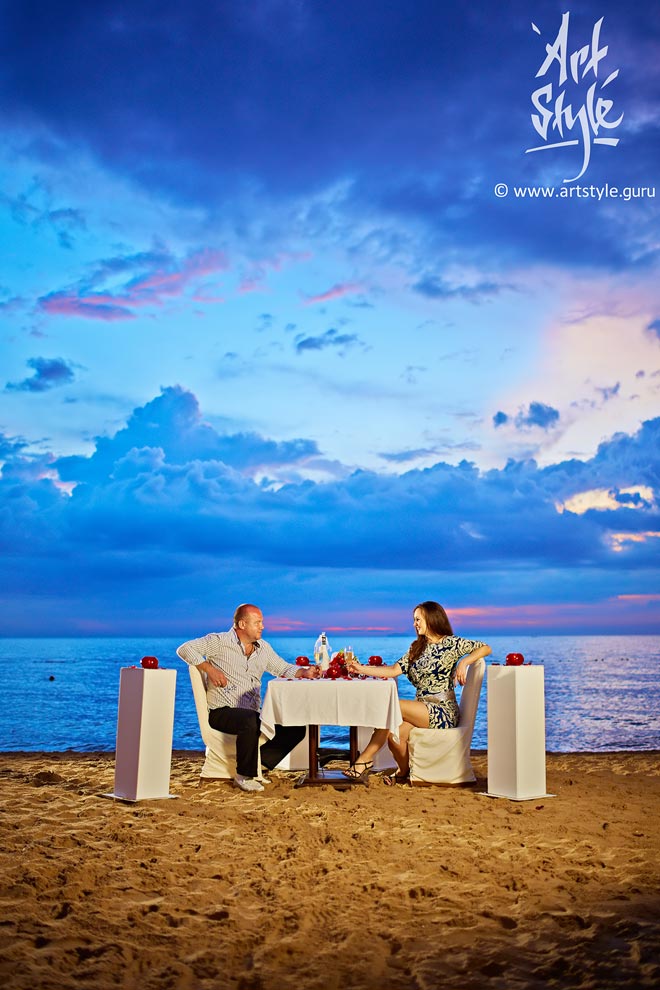
Correctly balanced external light gives an almost “Photoshopped” look and brings studio quality right out into the street. This frame took only five flashes 😎
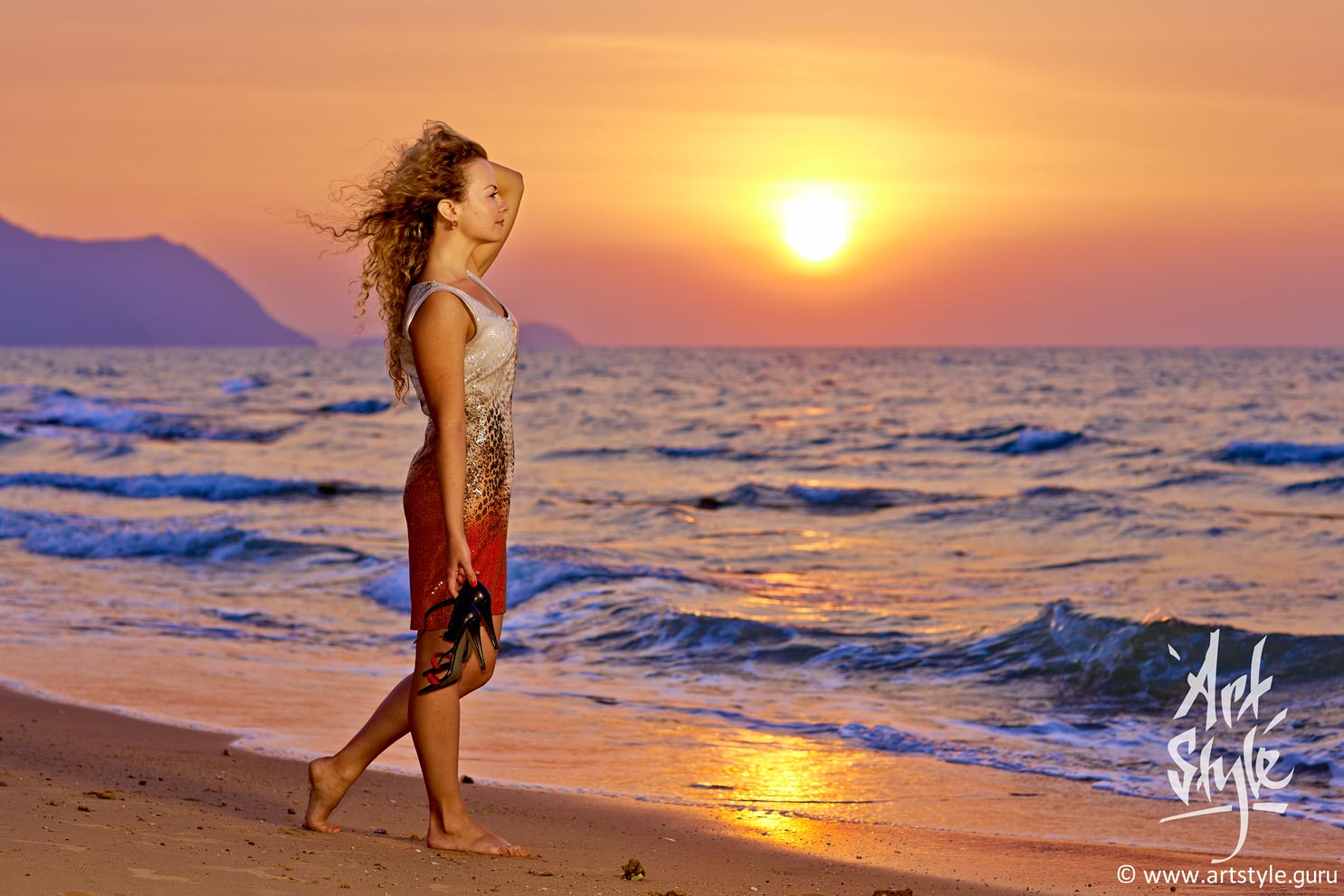
To shoot a person properly at sunset, a flash is a must. And to keep its light from catching the eye, you fit it with a warming gel (1/2 or 1/1 CTO): it matches the flash to the sunset light and adds atmosphere to the frame into the bargain.
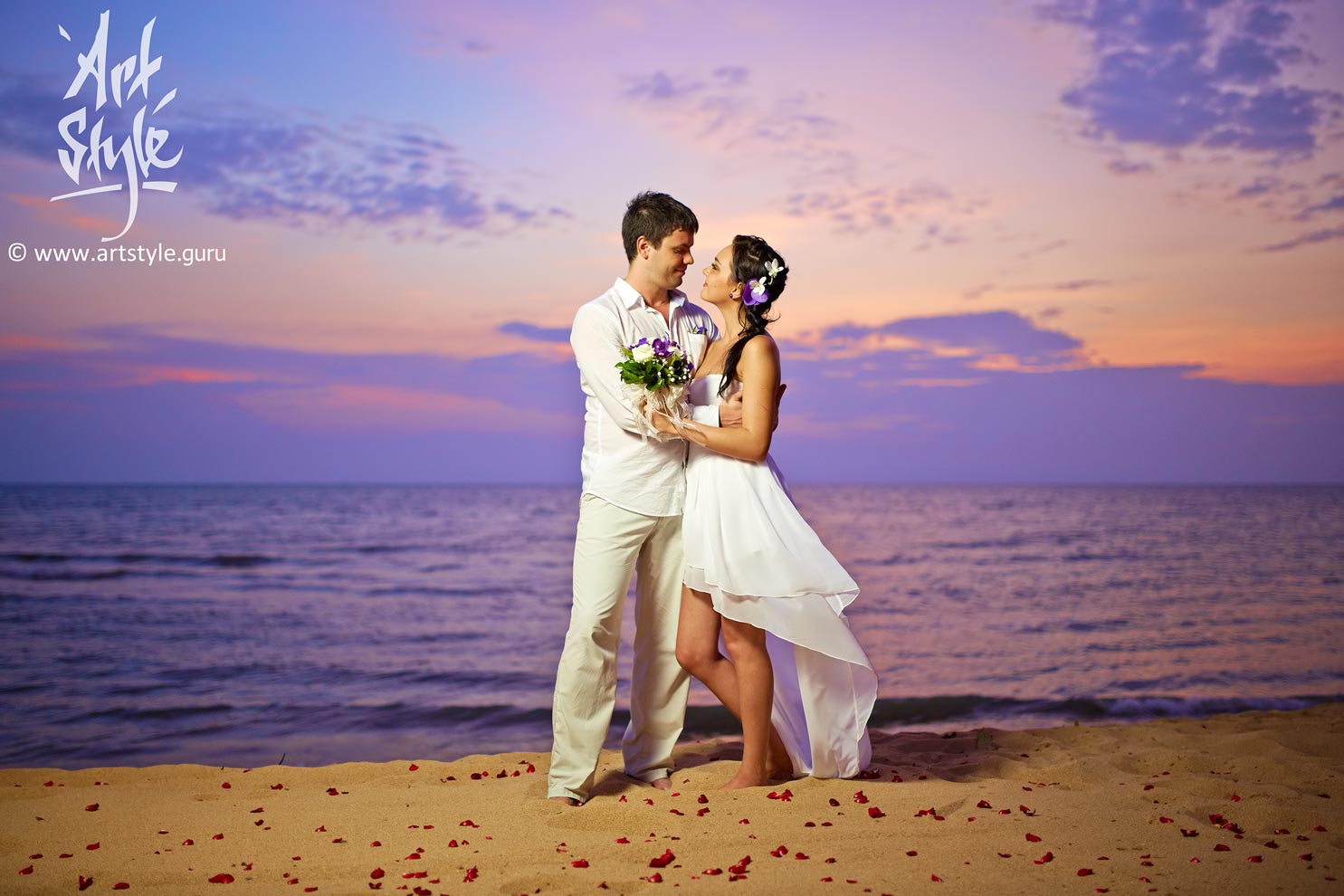
The highest art in portraiture is to bring the colour of the sunset into line with the colour of the model's accessories. For that you put coloured gels on the flash to shift the model's colour temperature, and then dial the frame to the exact tone you want in the raw converter.
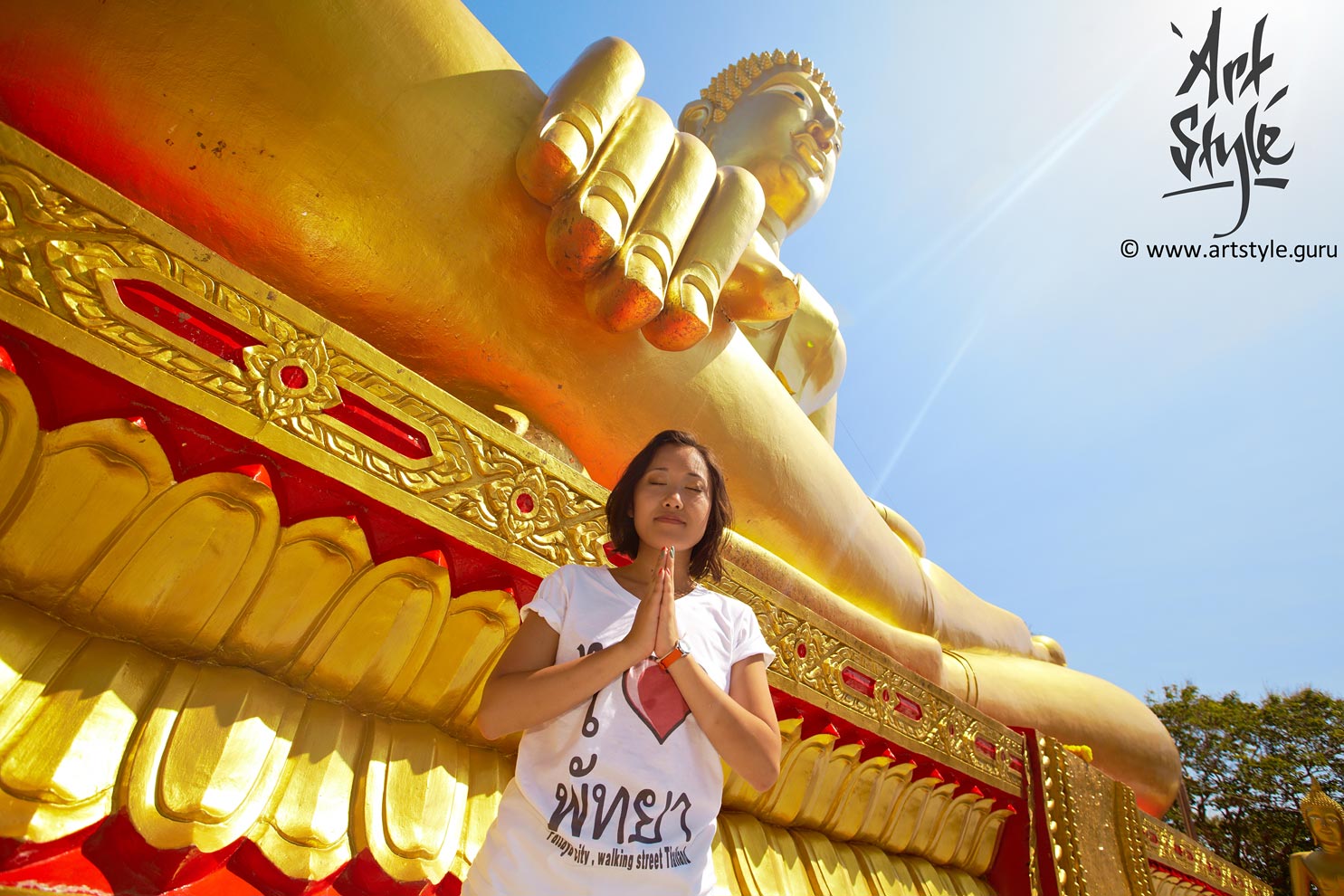
Don't be afraid of flare — on the contrary, it's worth chasing on purpose. A flare lends the frame an incredible airiness and a sense of “a blessing from above.” And a good lens catches that flare with almost no loss of the shot's overall contrast.