
Thailand. Faith is everywhere. Pt.2
In this blog post I will continue to show my impressions, feelings and thoughts about Thailand (the first part of this post you can read here). My thoughts about Laos you can read at this post. As is usual for me, these photos are a reflection of those spiritual, historical and cultural layers, which I see and feel. So, the main aim for me during creation of such photos is to reflect those things that show THROUGH the materiality of our world. With every photo I'm giving my comments, that will help to understand the photo.
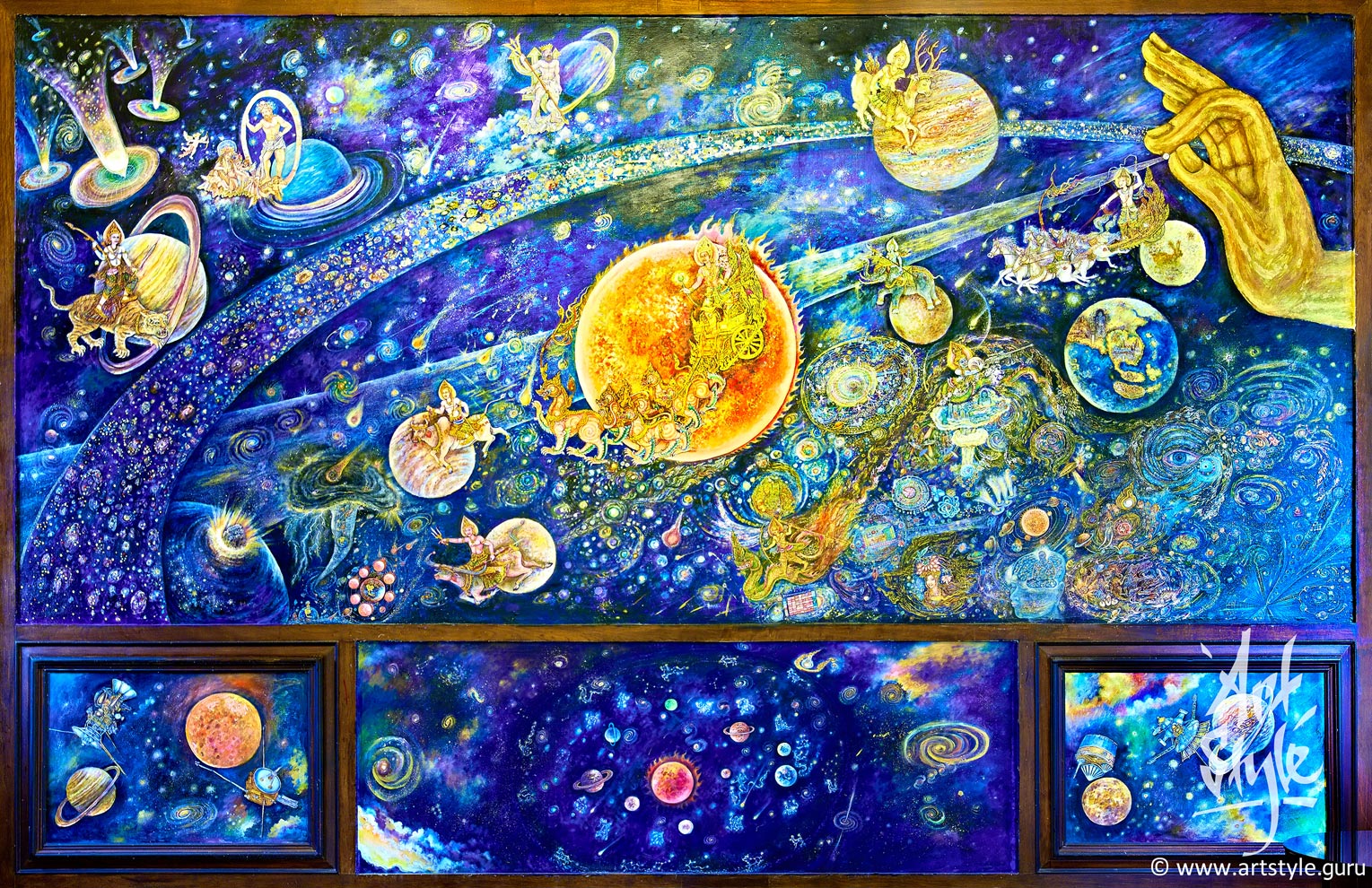
Picture that reflects modern Thai pantheism. Wat Saket (The Golden Mount), Bangkok, Thailand. Pantheism is the belief that the universe (or nature as the totality of everything) is identical with divinity, or that everything composes an all-encompassing, immanent God. This idea is shared by Hinduism (concept of Brahman), classic Daoism, Sufism (mystical dimension of Islam) and modern European religious philosophy.
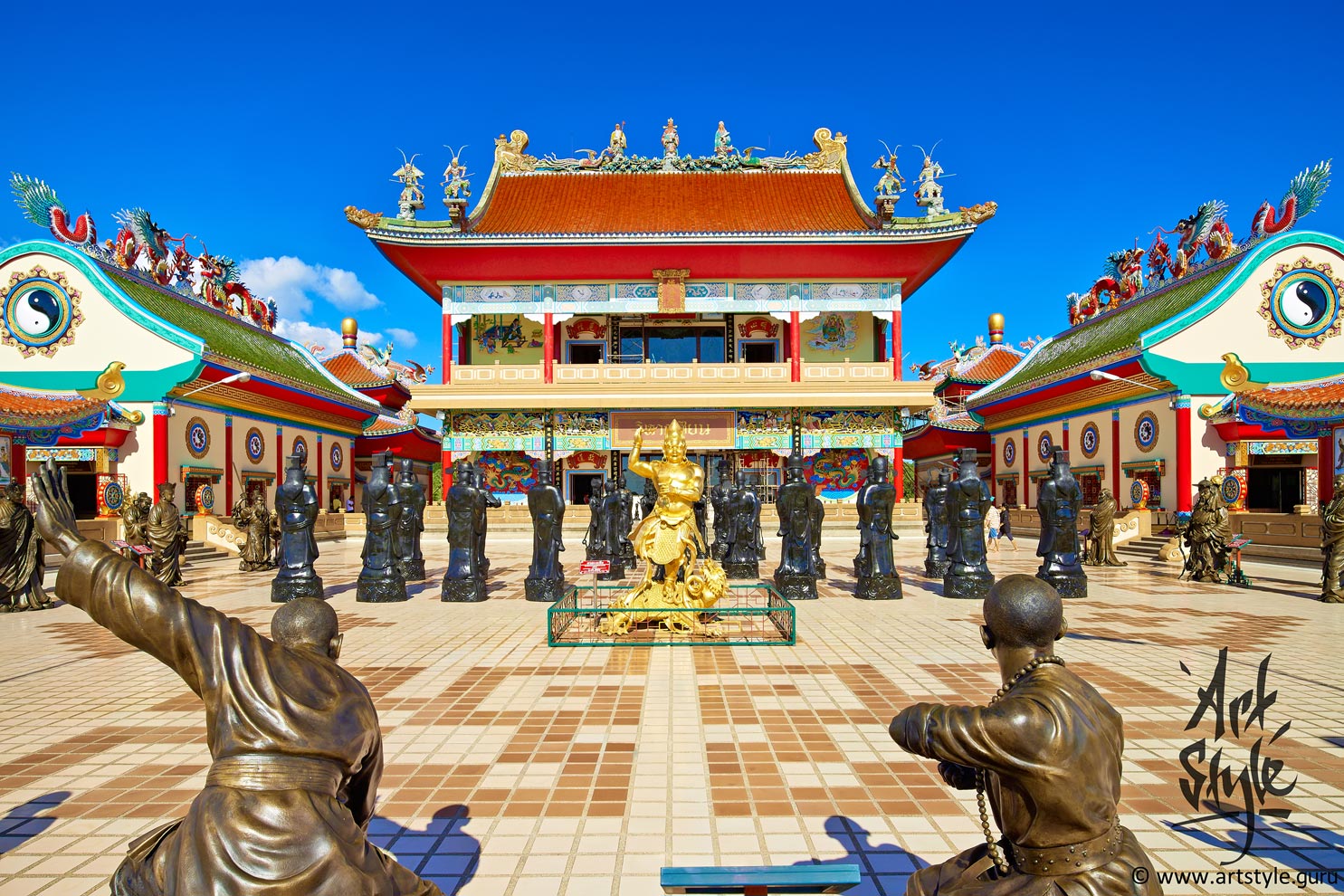
China-thai temple-museum Vihan Sian, Wat Yansangwararam, Pattaya districts, Thailand. The floor shown in the picture is dedicated to Taoism. A recurrent and important element of Taoism are rituals, exercises and substances aiming at aligning oneself spiritually with cosmic forces, at undertaking ecstatic spiritual journeys, or at improving physical health and thereby extending one's life, ideally to the point of immortality. A number of martial arts traditions embody Taoist principles to a significant extent, and some practitioners consider their art a means of practicing Taoism.
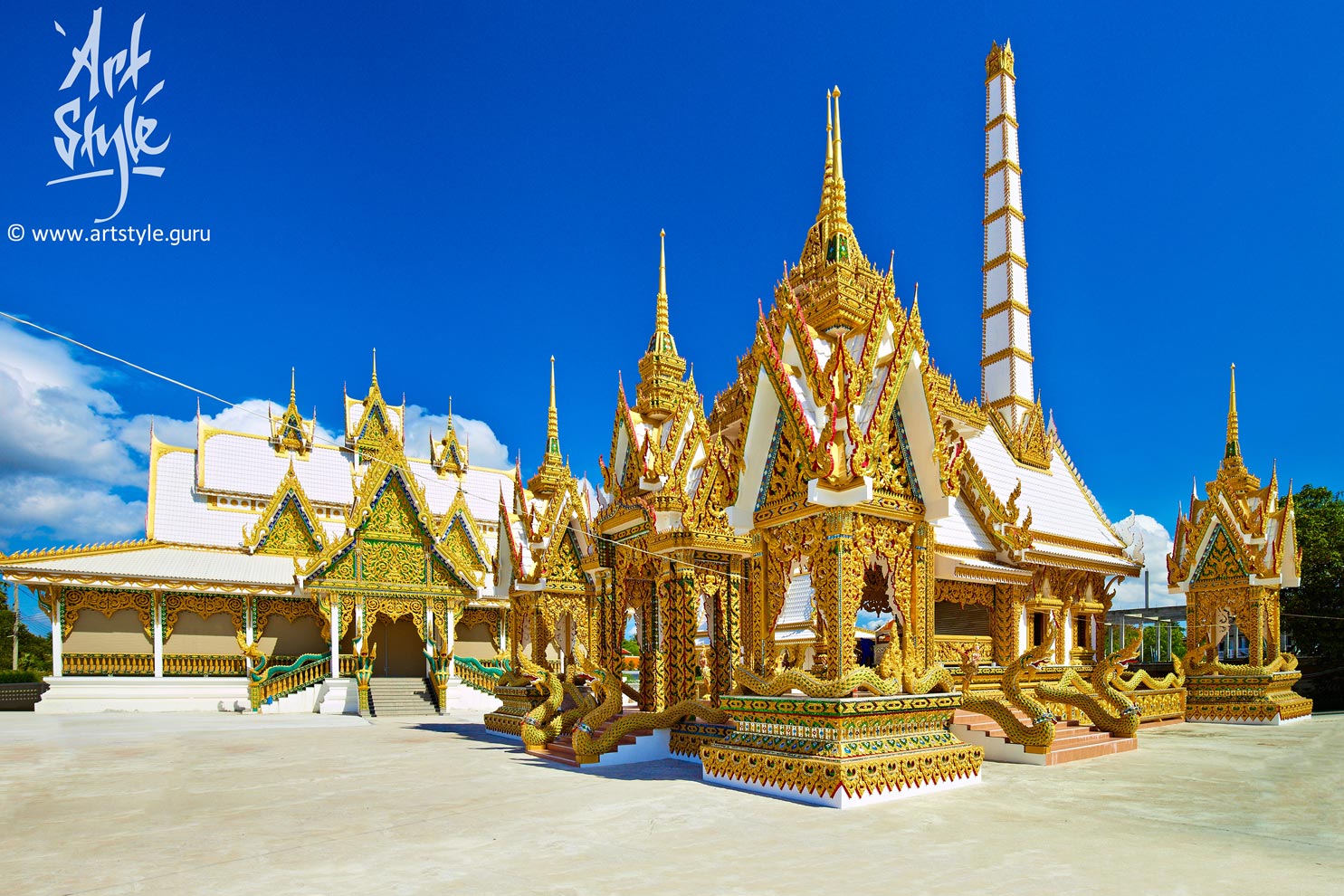
Wat Tungklom and its crematorium, Pattaya districts, Thailand. Funeral rites are the most elaborate of all the life-cycle ceremonies and the ones entered into most fully by the monks. Thai people rely upon monks to chant the sutras that will benefit the deceased, and to conduct all funeral rites and memorial services. To conduct the rites for the dead may be considered the one indispensable service rendered the community by the monks. For this reason the crematory in each large temple has no rival in secular society.
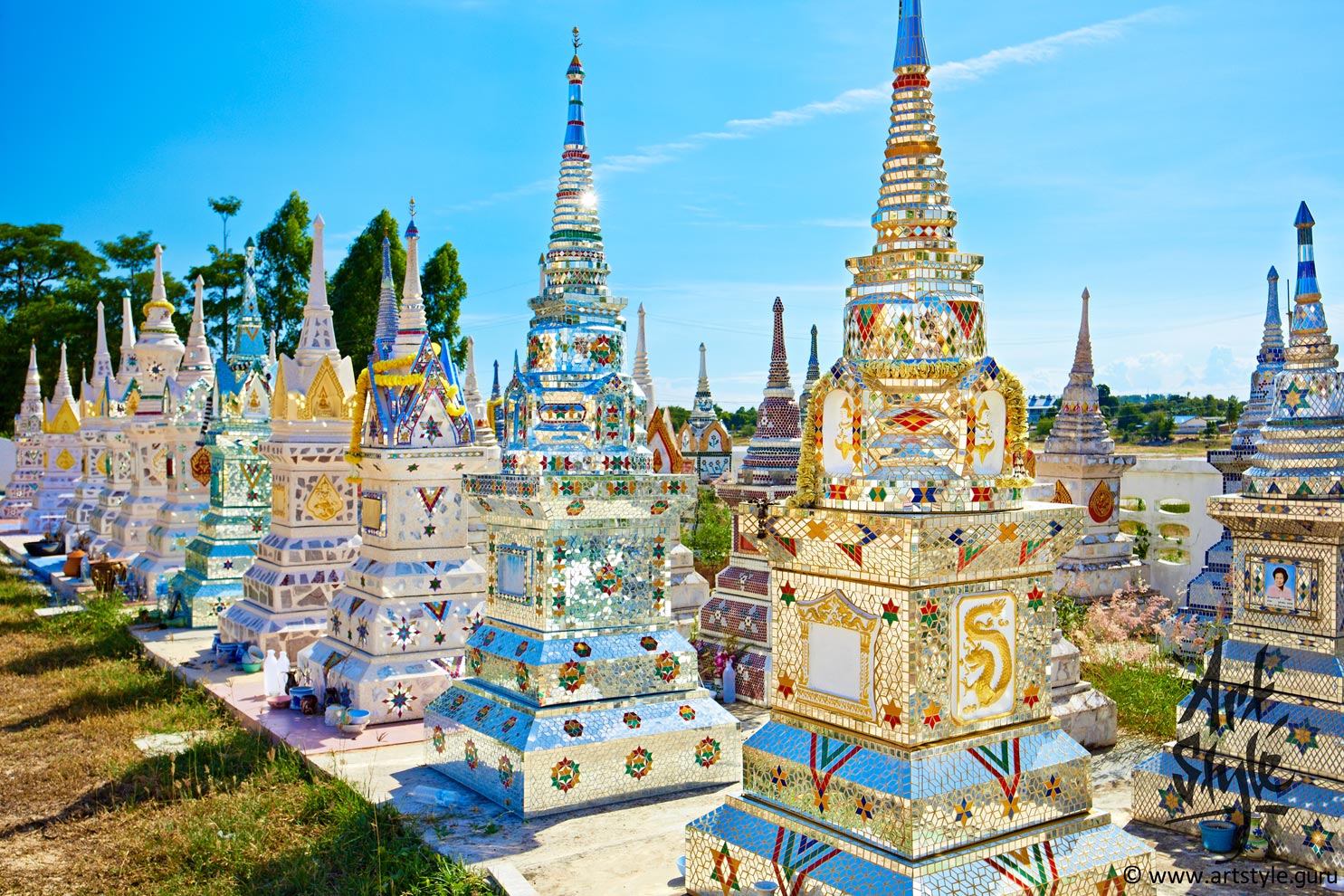
Columbarium of Wat Tungklom, Pattaya districts, Thailand. A columbarium is a place for the respectful and usually public storage of cinerary urns (i.e. urns holding a deceased’s cremated remains). In Buddhism, ashes of the deceased may be placed in a columbarium, which can be either attached to or a part of a Buddhist temple or cemetery. This practice allows for the family of the deceased to visit the temple for the conduct of traditional memorials and ancestor rites.
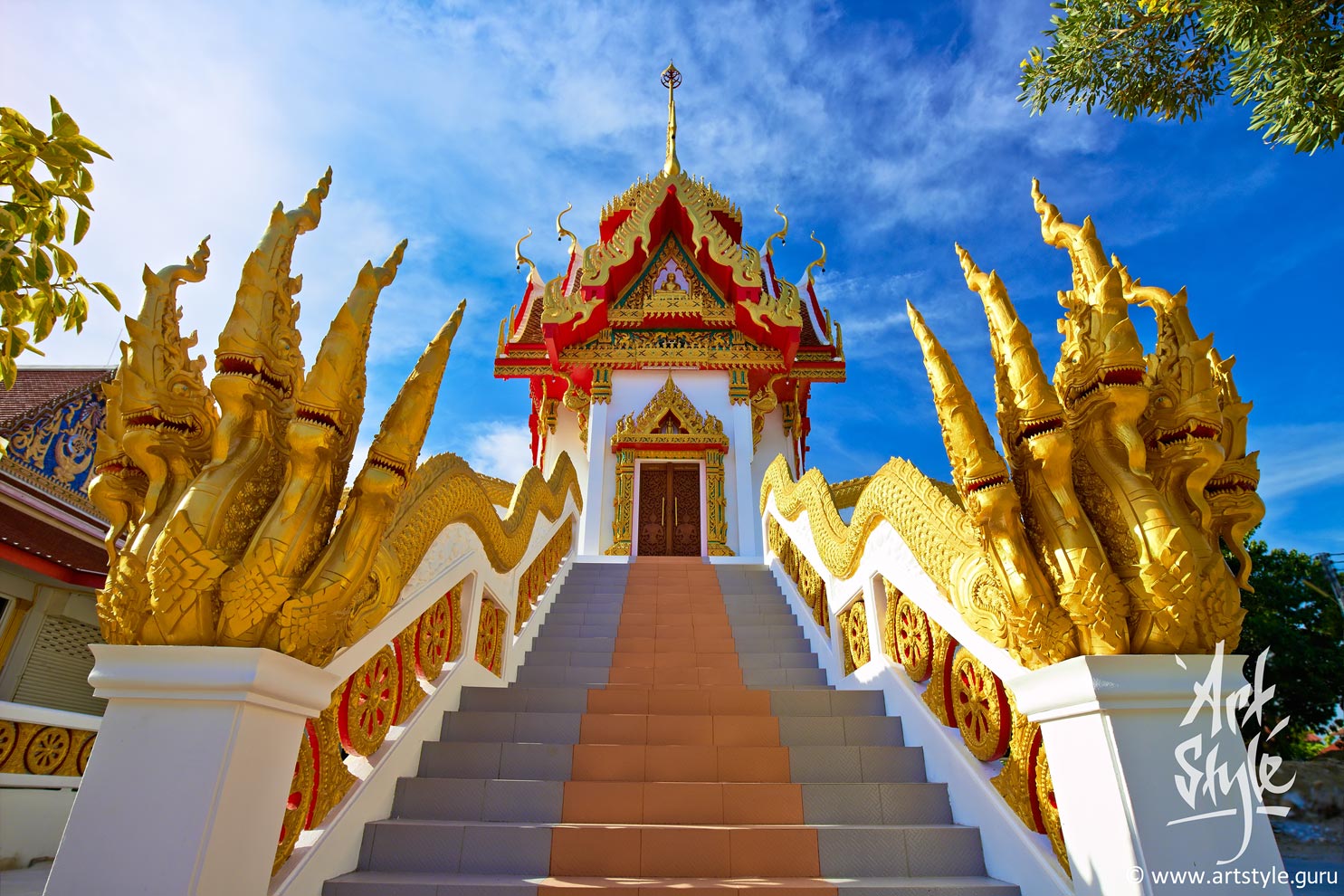
Sanctuary of Wat Nong Yai, Pattaya, Thailand. Snakes are the guardians here. They also symbolize temptation and the wisdom that is attained once temptation has been overcome.
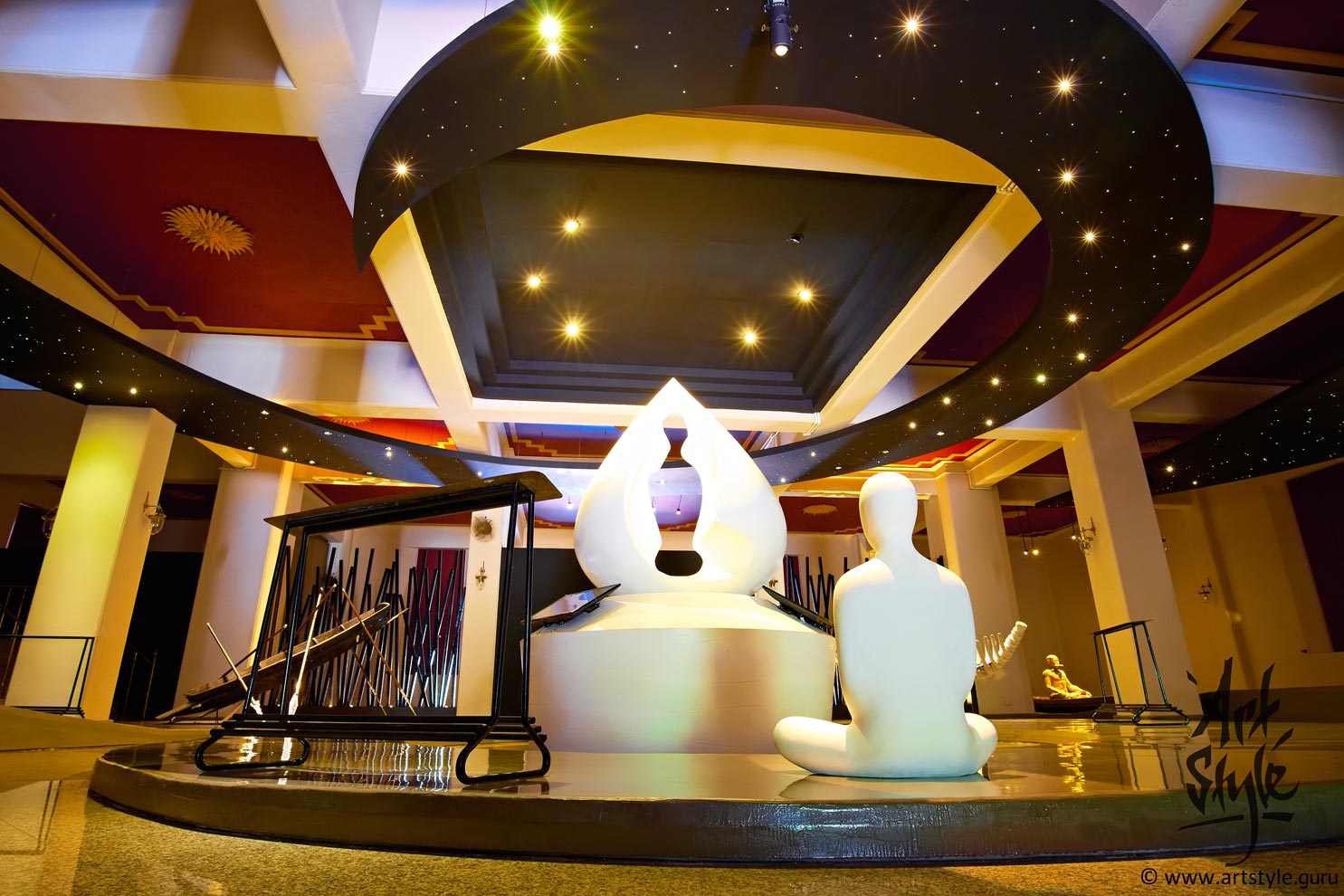
Inside temple-museum Mahabodhi, Wat Yansangwararam, Pattaya districts, Thailand. Mahabodhi literally means "Great Awakening".
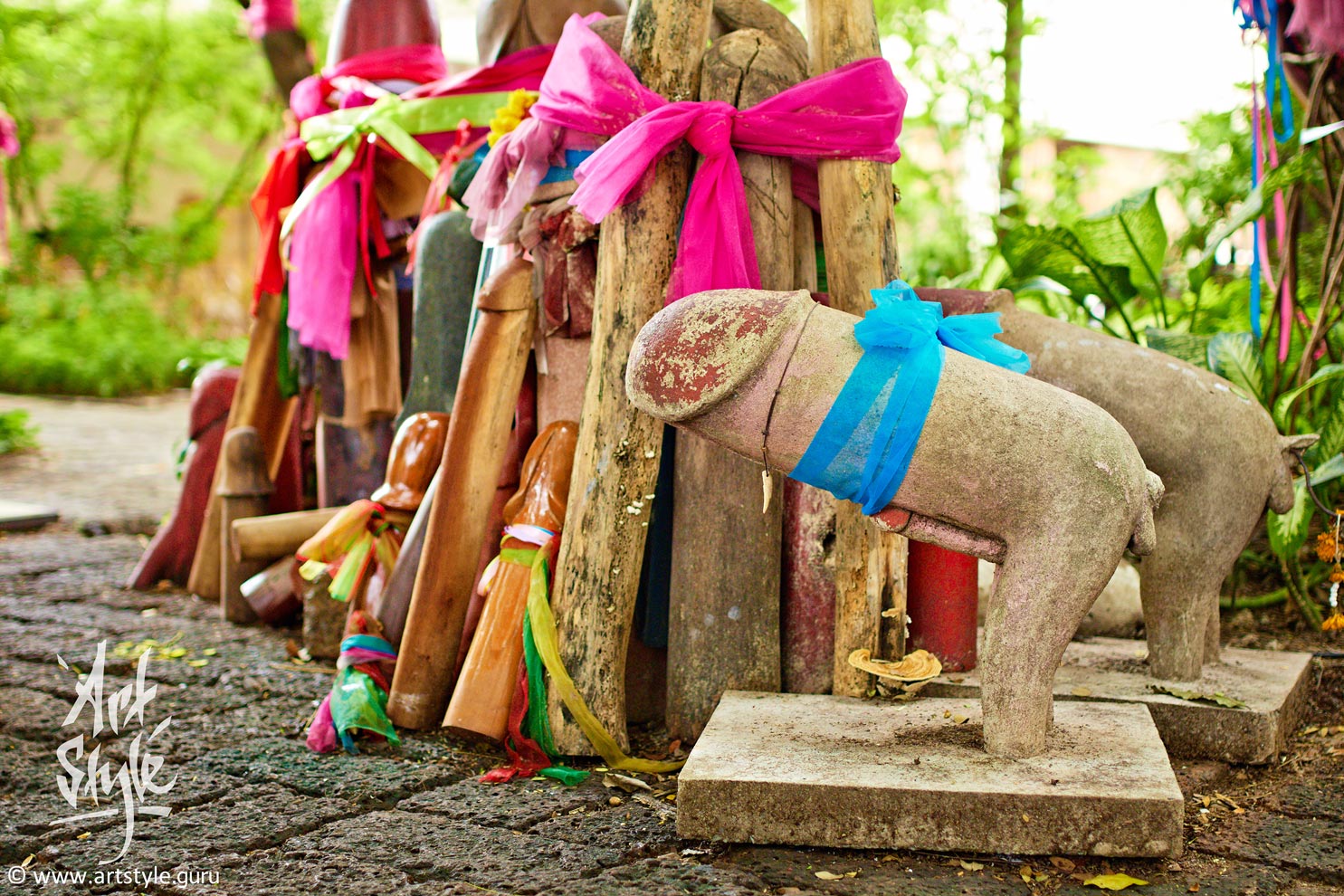
Chao Mae Tuptim shrine (also known as Penis Shrine), Bangkok, Thailand. In Thailand, the phallus is considered to be a symbol of good luck and also a representative of fertility. Penis statues are said to possess special cosmic powers and endow good fortune and fertility on anybody coming into contact with them. The shrine is named after Chao Mae Tuptim, a pre-Buddhist Southeast Asian tree spirit, who is said to bestow blessings on those who worship her at the shrine. Women hoping to get pregnant leave offerings at the spirit house, flanking a 3.0m penis statue draped in cloth, including candles, jasmine, lotus flowers and Chinese incense sticks.
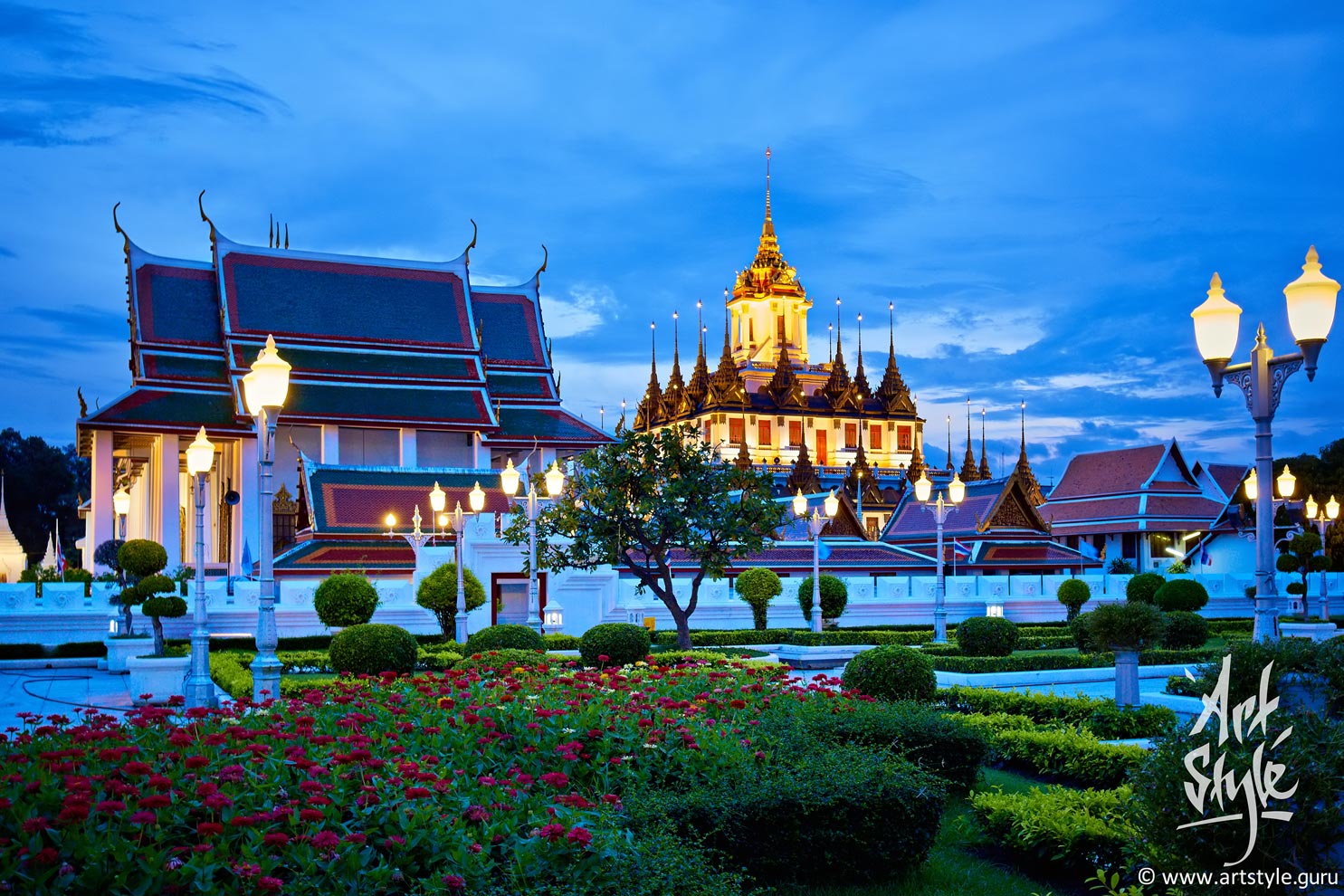
Loha Prasat, Wat Ratchanaddaram, Bangkok. Loha Prasat - a multi-tiered structure 36 m high and having 37 metal spires, signifying the 37 virtues toward enlightenment. It is the only metal sacred building in Bangkok.
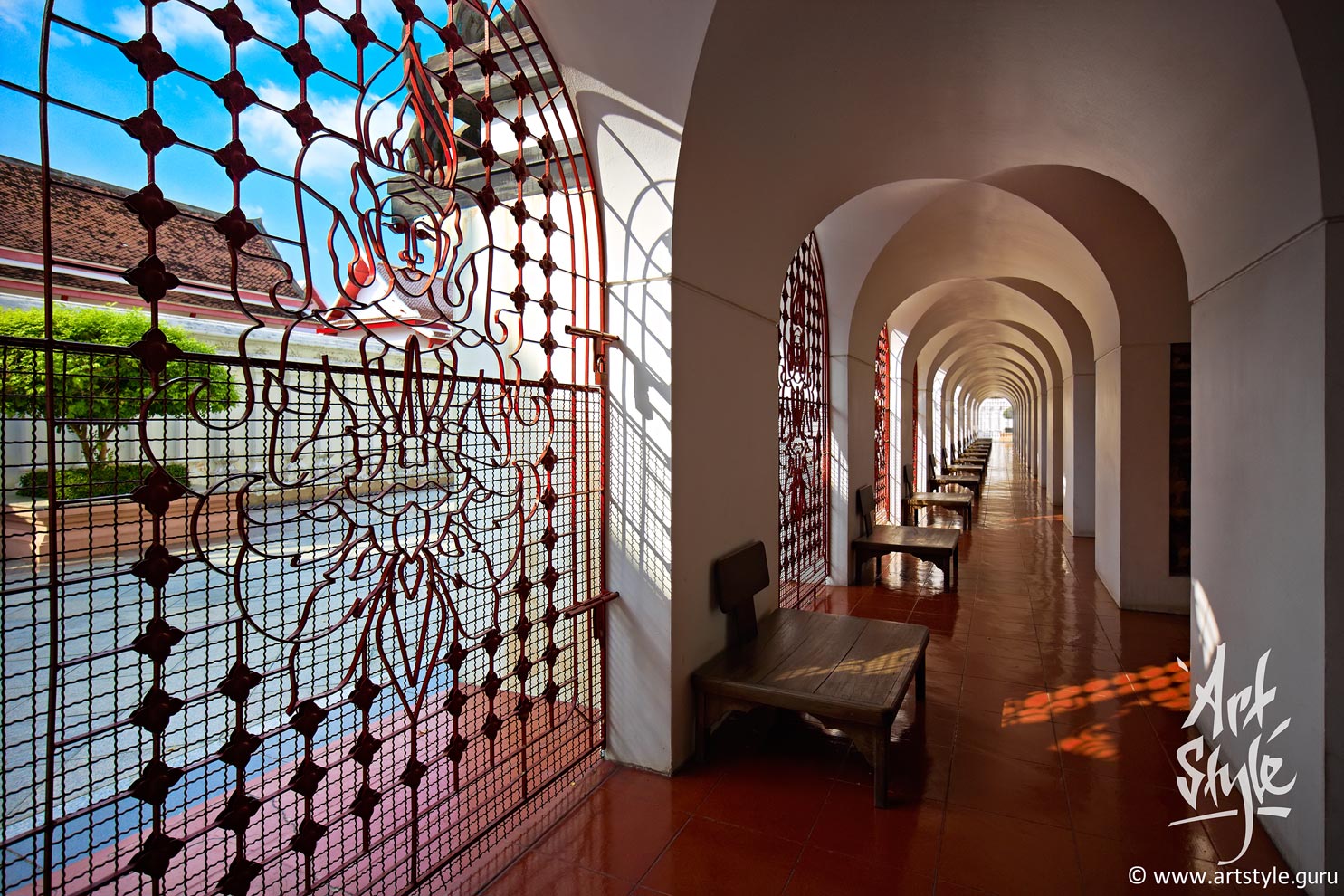
Maze of Loha Prasat, Wat Ratchanaddaram, Bangkok, Thailand. This maze on the lower floor represents the maze of the human mind, in which the spirit must find its way to balance and enlightenment.
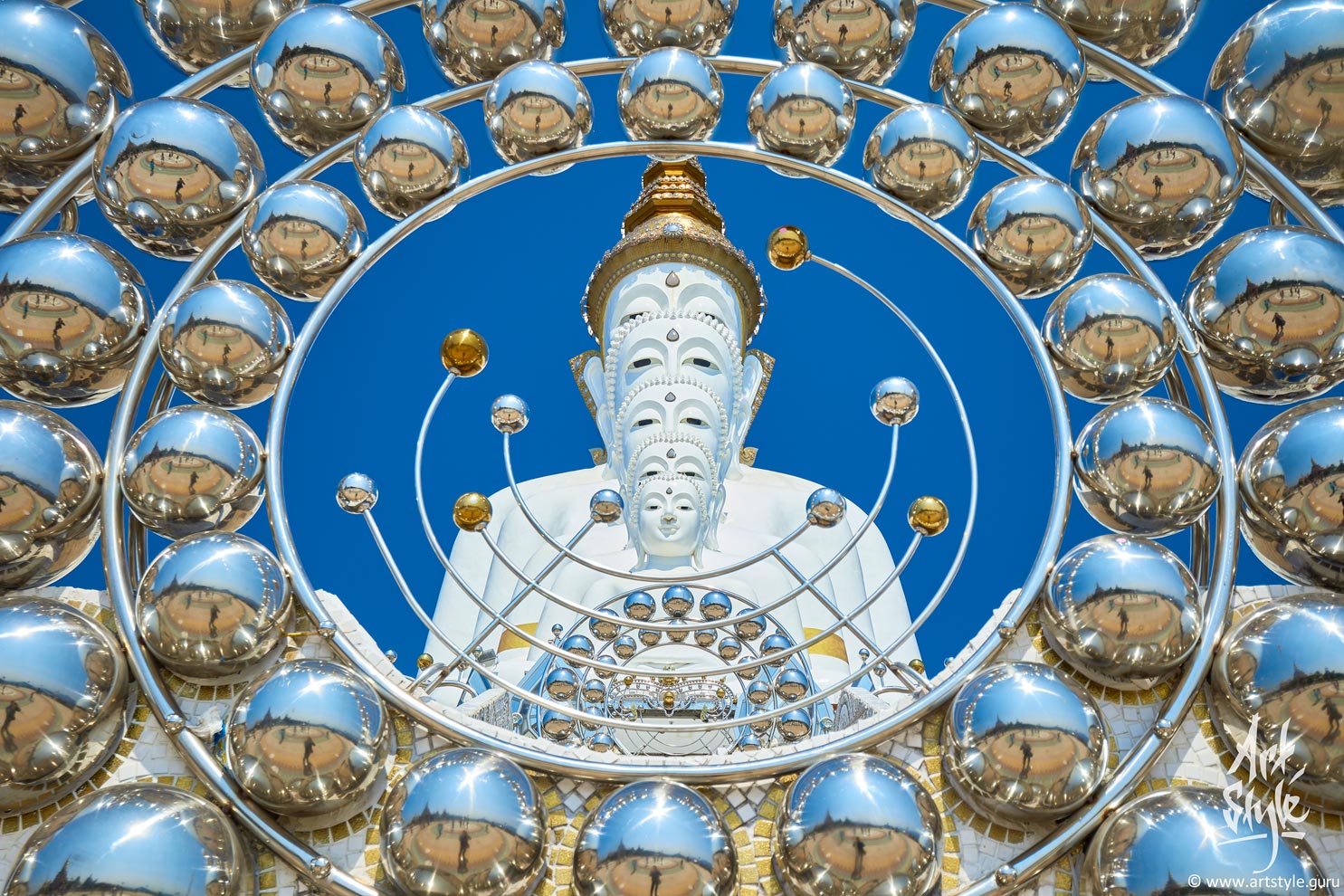
Wat Phra That Pha Sorn Kaew, Phetchabun, Thailand. My favourite Thai temple.
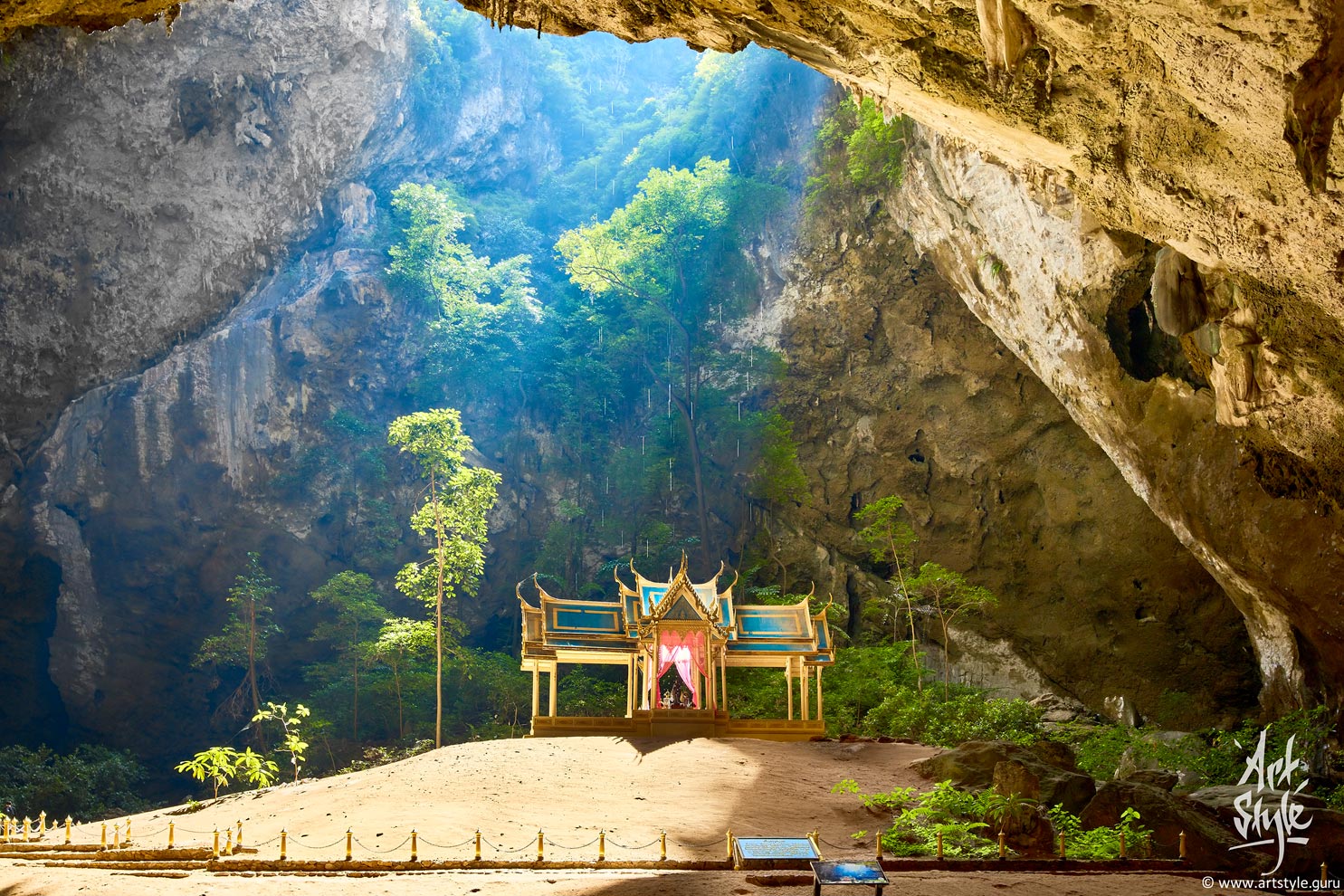
Phraya Nakhon Cave, Khao Sam Roi Yot National Park, Thailand. With drops of water falling directly from the 'eye of God' — the hole in the ceiling of the cave — this chapel really does look blessed.
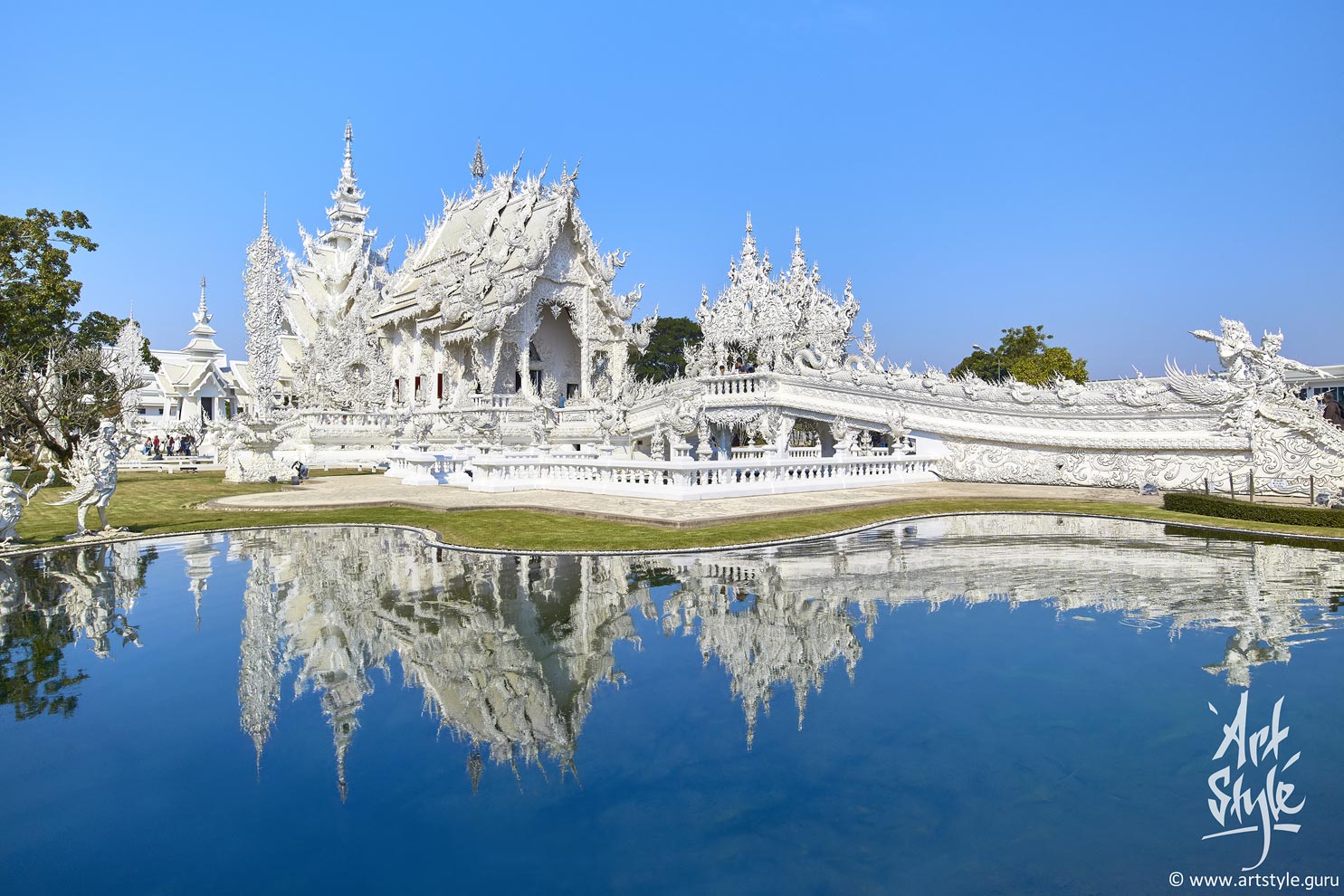
White Temple (Wat Rong Khun), Chiang Rai, Thailand. This temple is a magnificent example of syncretism in Southeast Asia: superheroes and spiritual entities live in one and the same world.
To be continued...