
Me & my vision
A few words about how I see. For me, photography is not about how things look, but about what shows through them — and about the state of the one who looks. This is a short map of what I believe in and what I love.
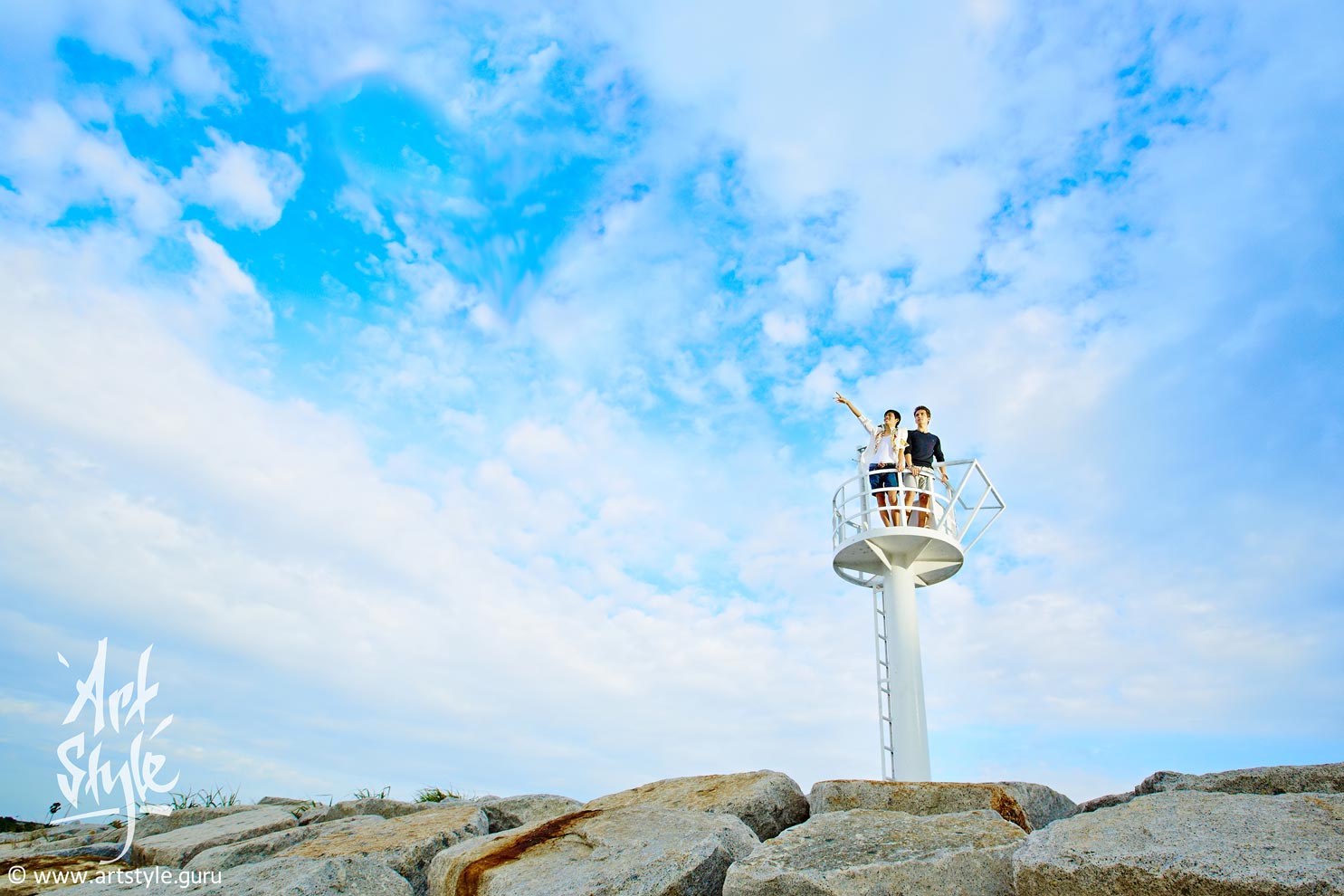
It begins with vision. The most important thing in photography is not the camera but the ability to see the unusual in the ordinary world around us. You can't simply be taught this — it comes with experience, with practice, and with the slow maturing of the photographer's soul.
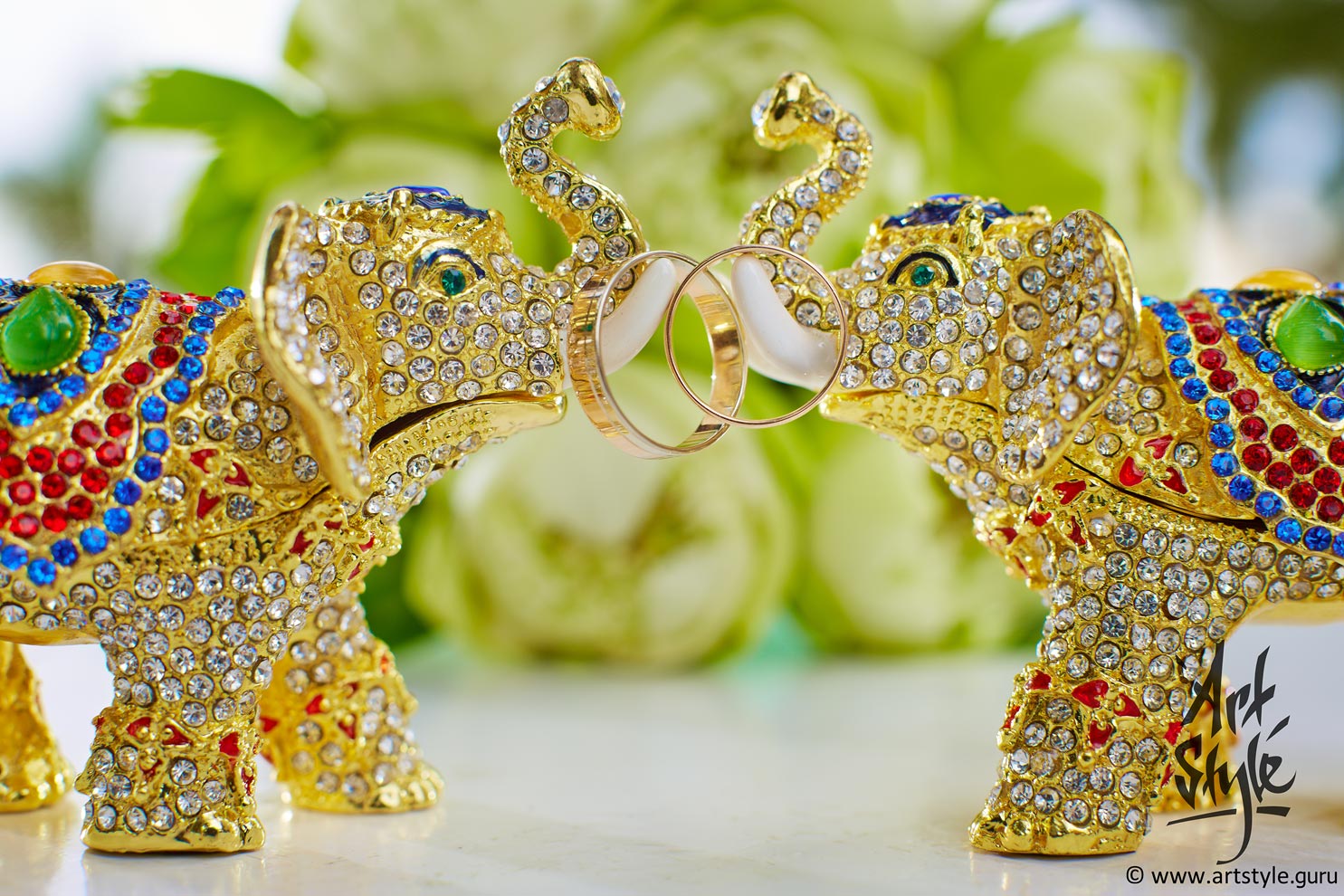
And seeing a detail never means losing the whole. A close-up works when it singles out something small yet keeps its bond with the whole it belongs to. Photographers may find this new, but mystics have known it for ages: divine creation cannot be grasped in isolated fragments by the intellect alone.
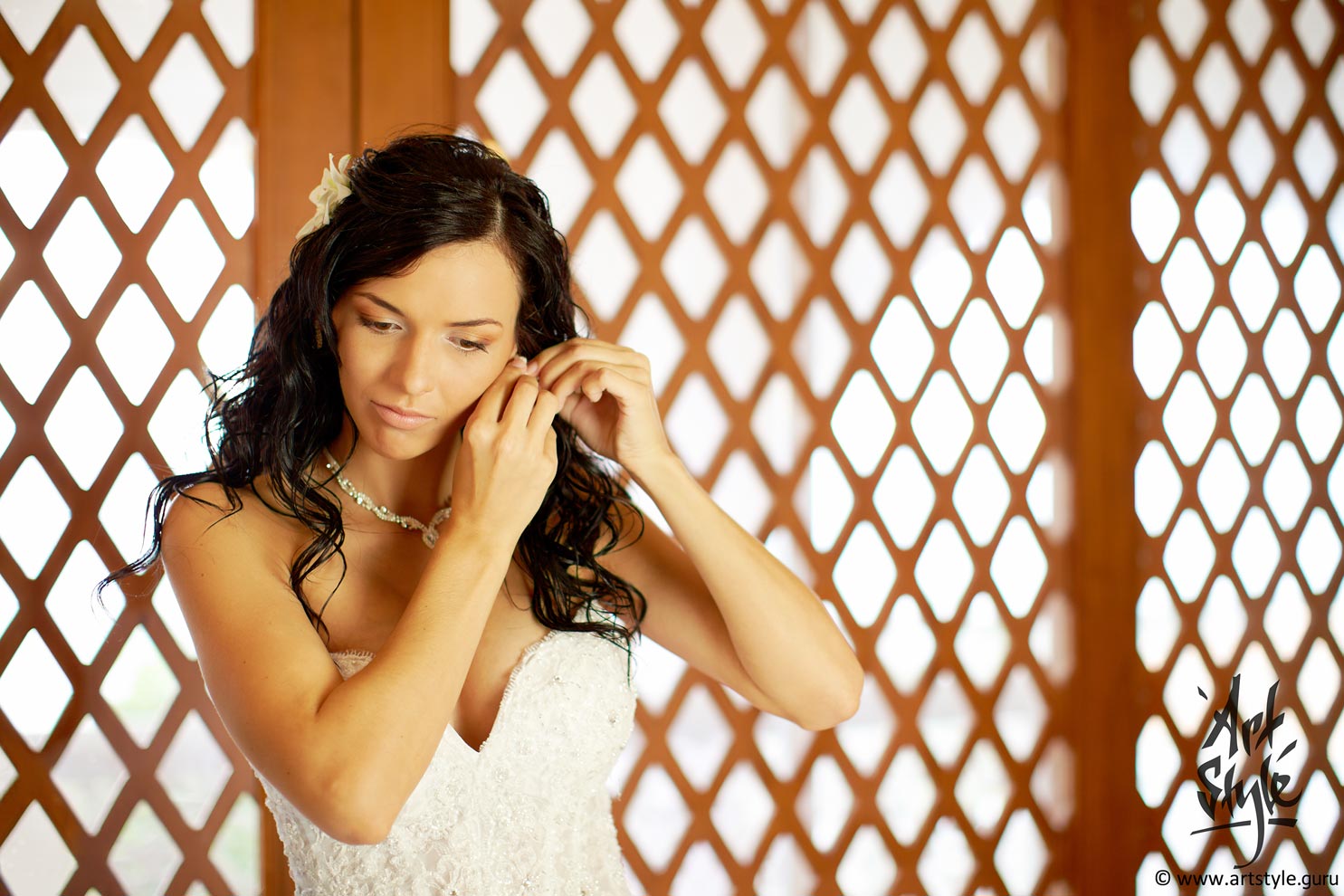
What I look for is rarely loud joy. Joy is primitive and monotonous: the happy, as Tolstoy had it, are all alike, while the unhappy are each unhappy in their own way. People share joy easily, even with strangers; sadness they keep to themselves. The minor emotions are far more intimate, deeper and more varied. Minor isn't necessarily sadness — it is the absence of declared joy. To split the world into major and minor, joy and sorrow, is a mistake: joy is only one of dozens of basic feelings, no more common than, say, anger or hurt.
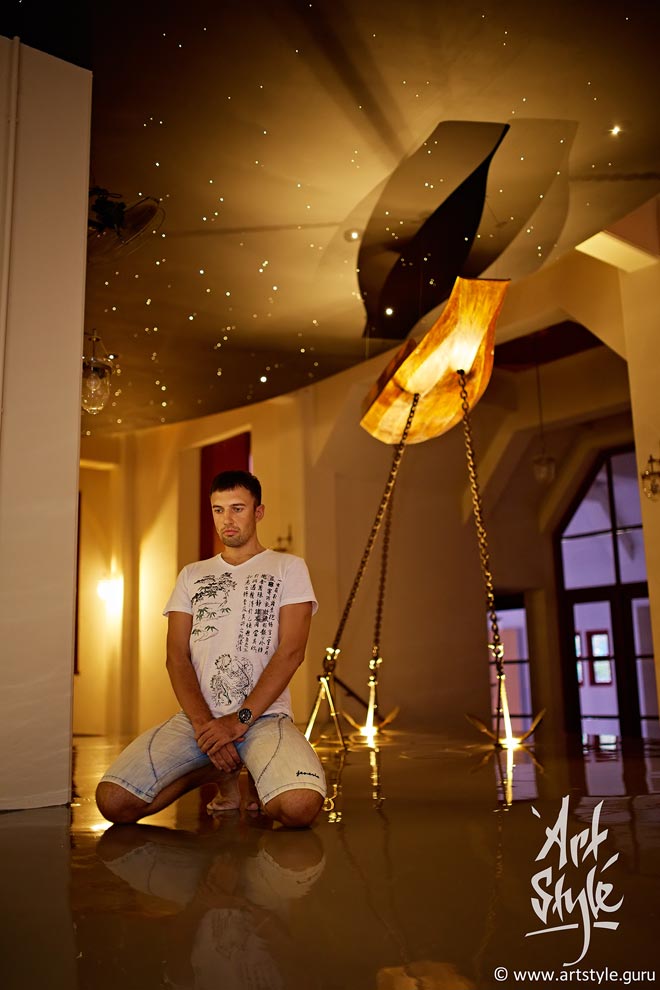
Creativity needs balance. Daniil Andreev wrote:
There is a widespread idea that a society's material poverty is mirrored in its spiritual poverty, and, conversely, that material abundance entails — or ought to entail — spiritual wealth. Objective historical observation does not bear this out. Only two degrees of material prosperity tell badly on spiritual life: destitution and luxury. The first makes you spend all your strength on the struggle for existence; the second leads to the chase after ever-greater wealth, or to satiety — to a hollowing-out, to the overgrowing of the psyche with mental fat.
In other words, the key to creativity is moderation and balance — which is, in essence, the core teaching of Buddhism.
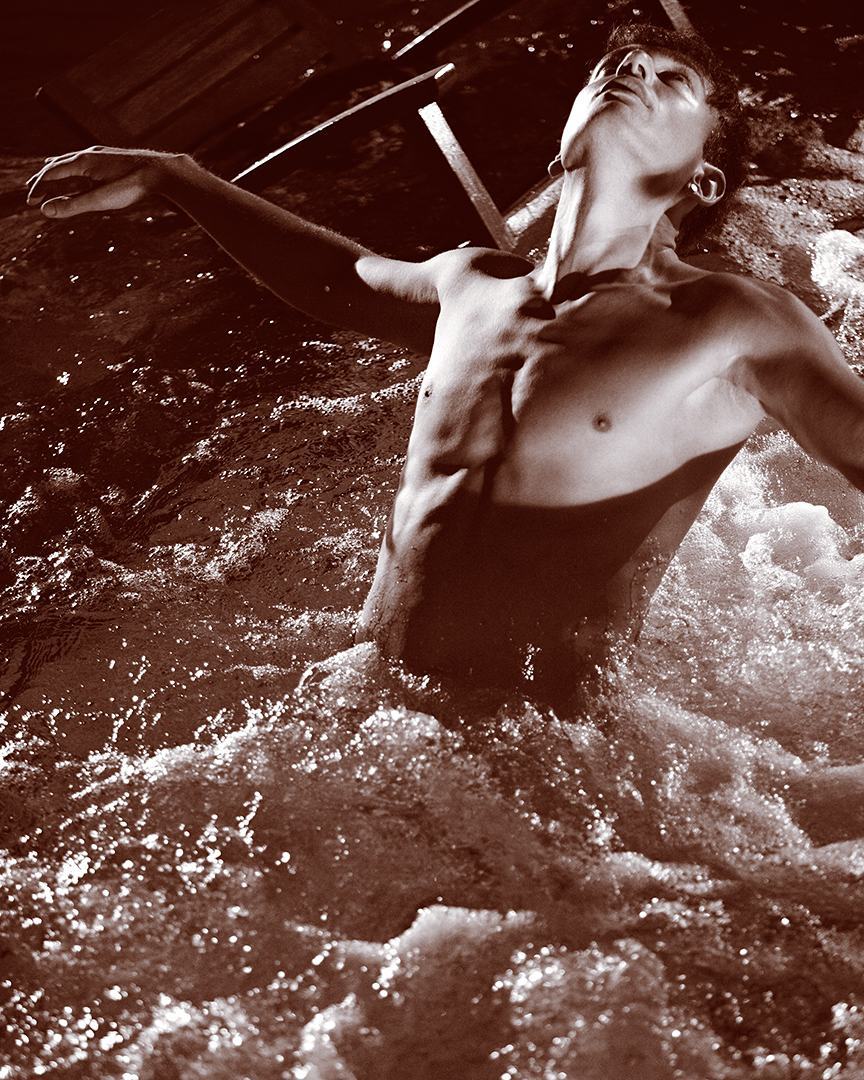
I love water. It doesn't only help me relax — it also helps me find unexpected solutions for my own creative projects. For that I dive and stay under almost to the limit, to the point where the brain runs short of oxygen. At that moment its stress mode switches on, and those near-hallucinations lead to answers that are often illogical, but alive.
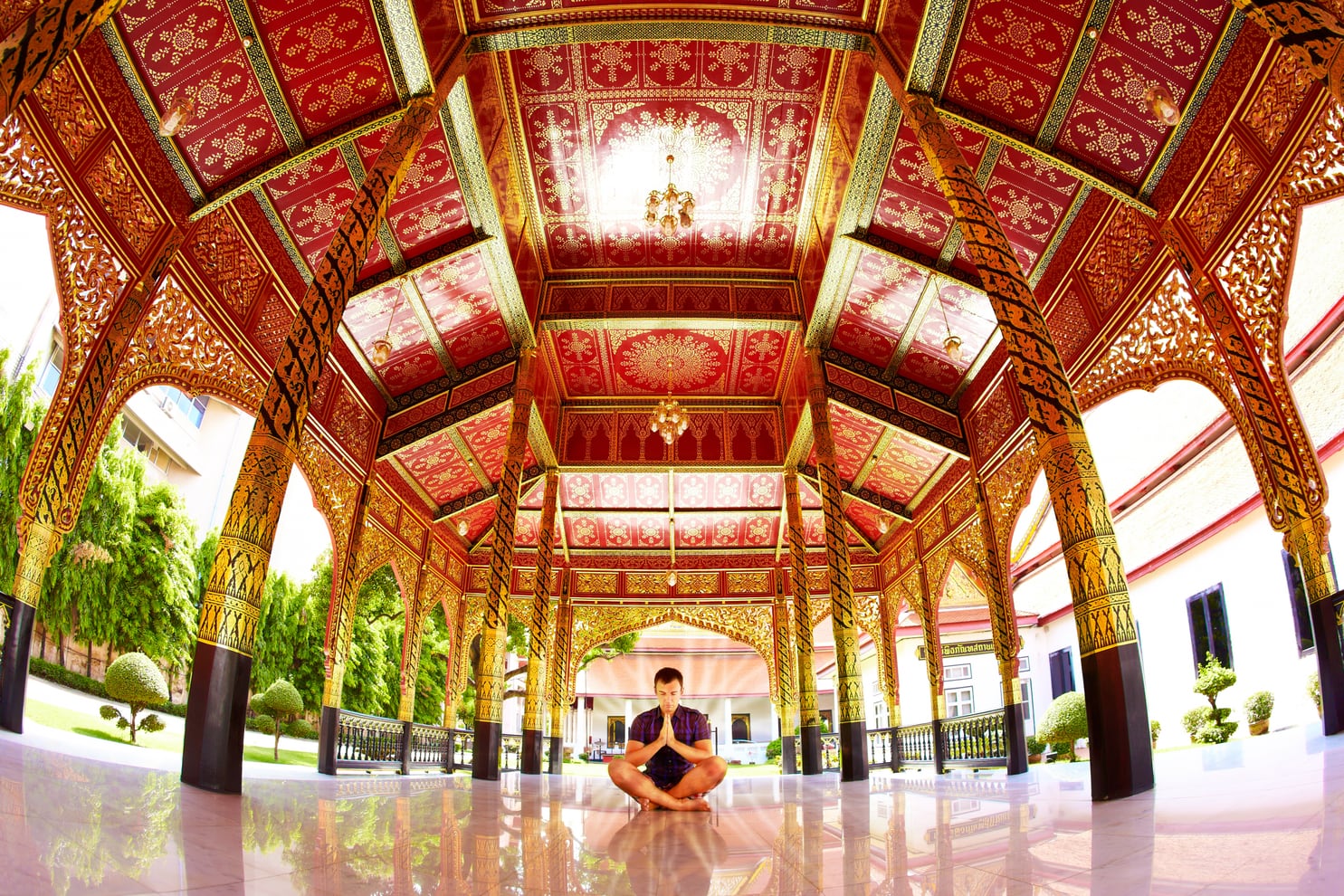
I meditate often. Meditation, in the end, is simply thinking about yourself. You can do it anytime, anywhere — but it works best in the right place and at the right hour. A royal pavilion is, without doubt, the right place.
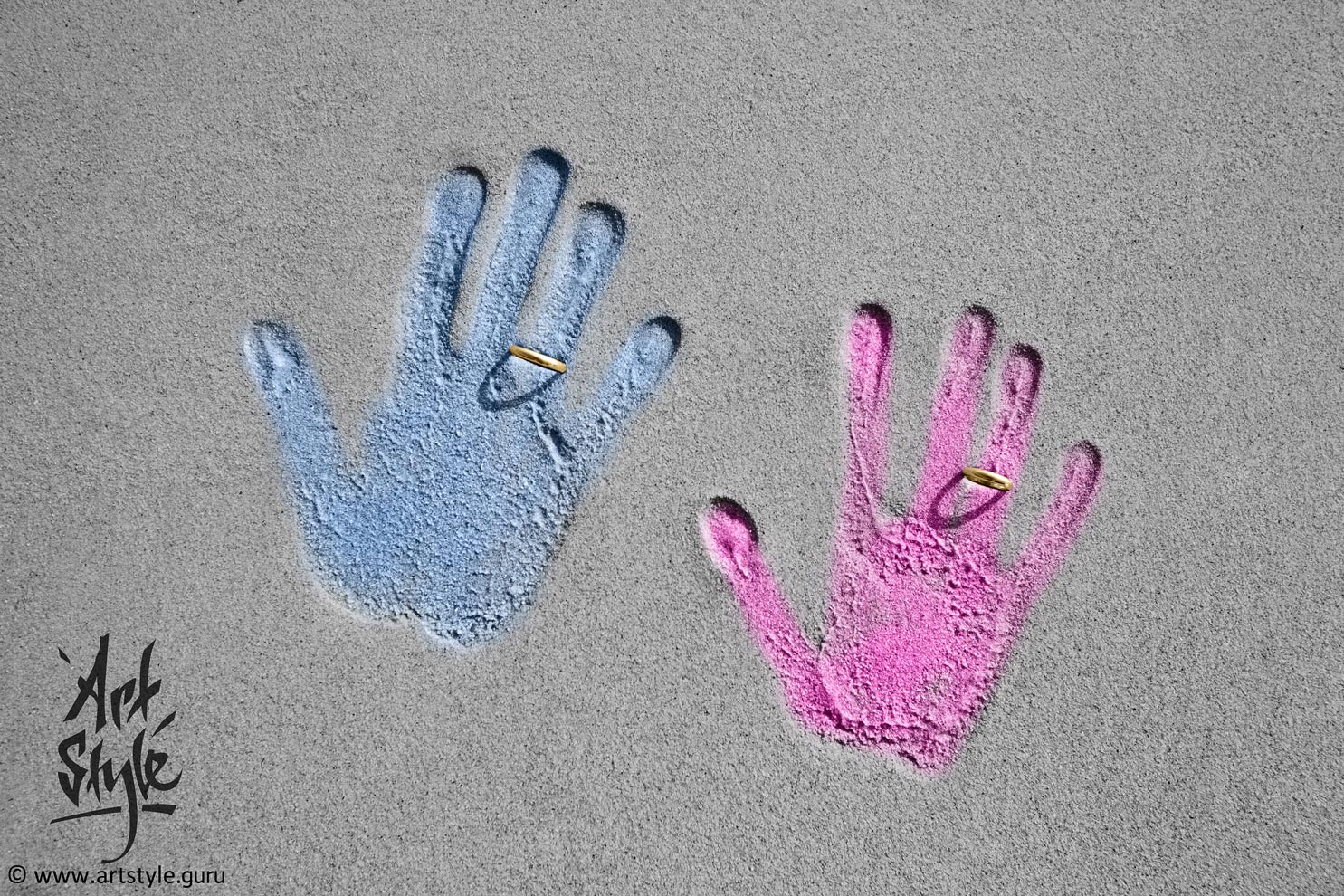
And what is love? Perhaps only our tracks on the sand of life's road. Even when the ocean of grievances and feelings washes all the sand away, something still remains — something that once joined two souls forever.
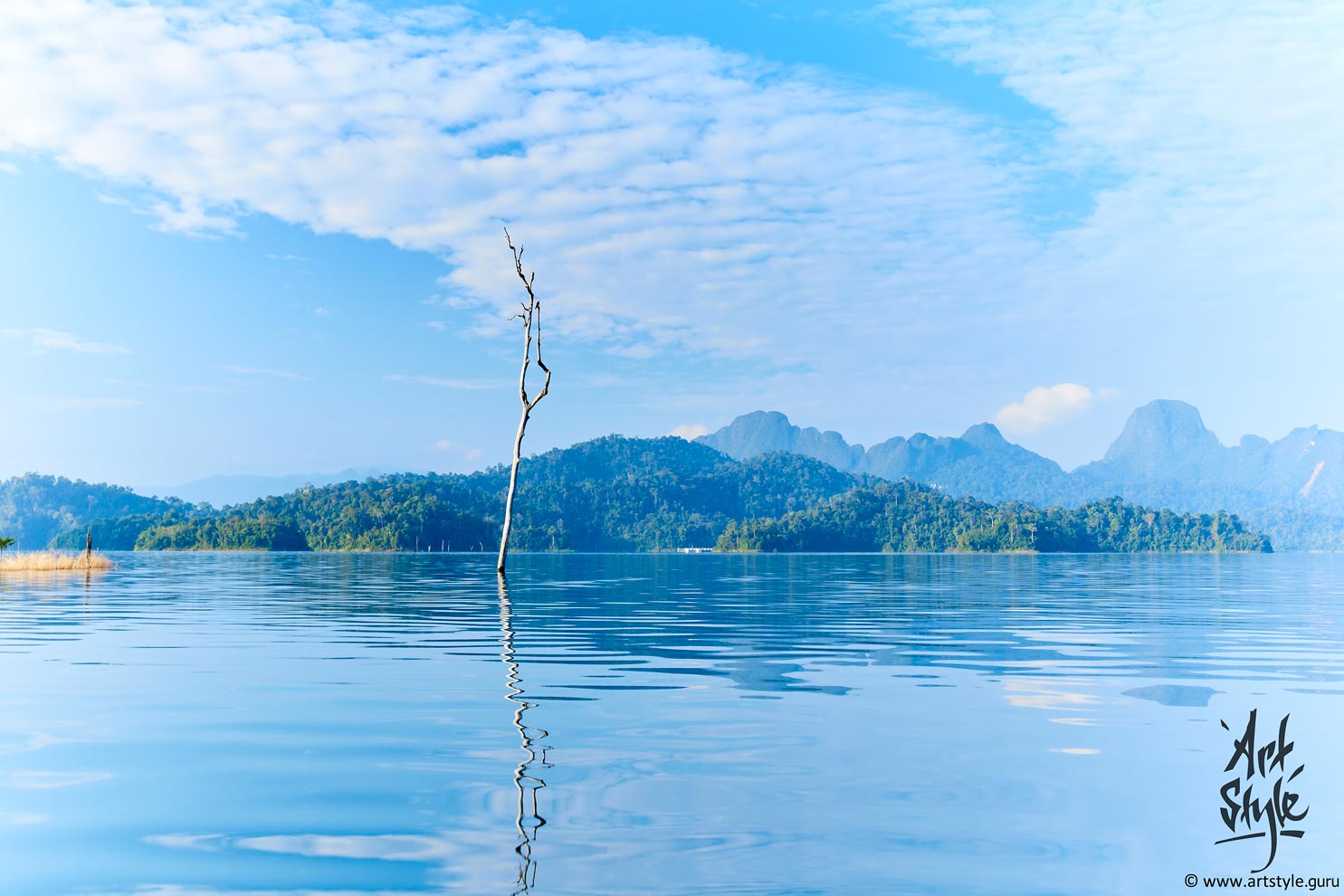
Sometimes I feel like Baudelaire's stranger:
— Tell me, enigmatic man, whom do you love best: your father, your mother, your sister, or your brother?
— I have neither father, nor mother, nor sister, nor brother.
— Your friends?
— You use a word whose meaning I have never known.
— Your country?
— I do not know under what latitude it lies.
— Beauty?
— Her I would gladly love, goddess and immortal.
— Gold?
— I hate it as you hate God.
— Then what do you love, extraordinary stranger?
— I love the clouds… the clouds that pass… up there… up there… the wonderful clouds!Charles Baudelaire, Paris Spleen