
How I photograph children
Photographing children is nine parts psychology and one part technique. First the child has to trust you and forget the camera; then you catch them alive — in play, in motion; and only at the very end do the choices of light and lens come in, the ones that serve that mood. Here's how I go about it.
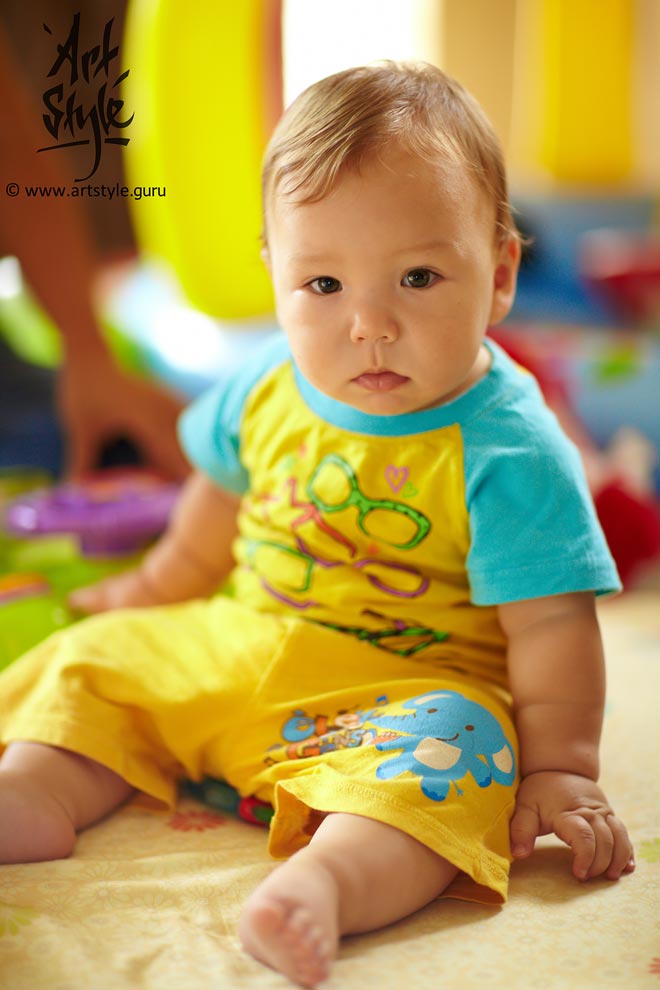
Small children aren't easy to photograph — a stranger often frightens them. So the first thing a photographer does is build trust with the child. Without it, nothing else happens.
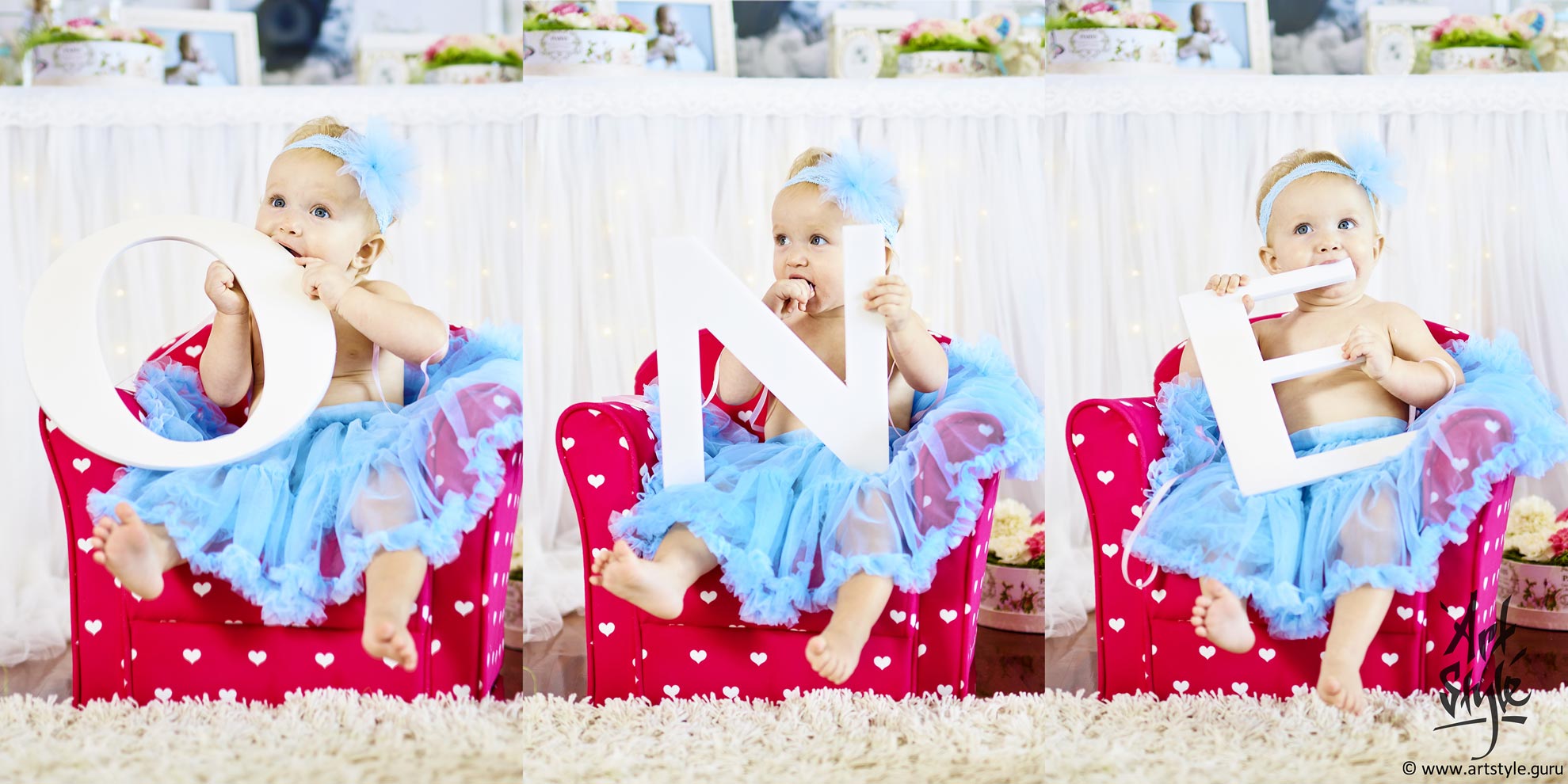
Holding a small child's attention is next to impossible — and that's the central difficulty. Toys and various shooting props help enormously here: they give the child something to look at exactly when you need it.
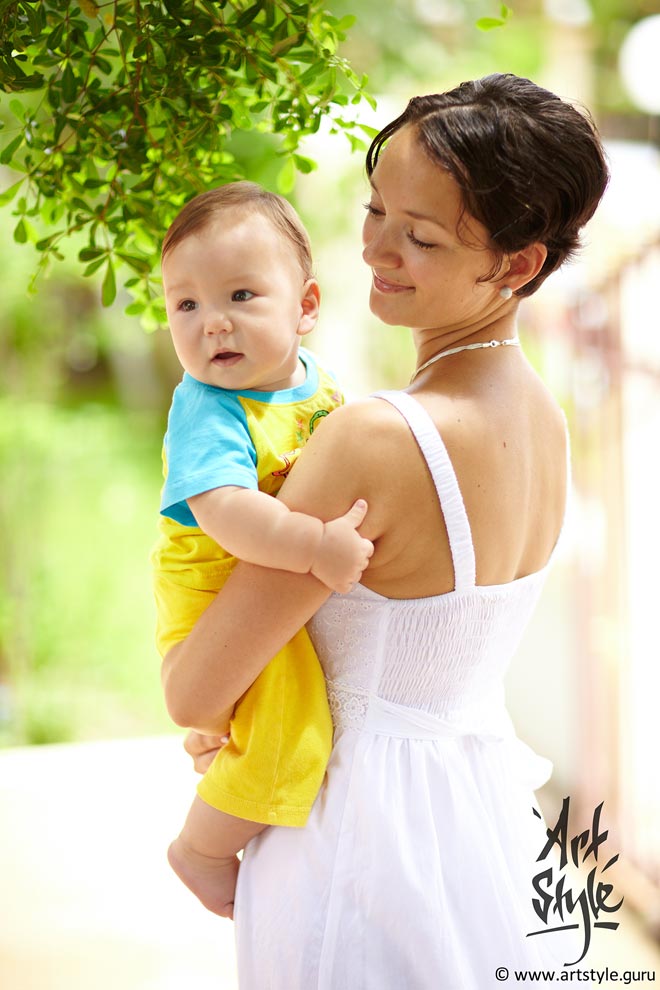
Nobody manages a child's attention better than the mother. So if you can keep her in the frame, that's the soundest choice — with her there, the child is calm and himself.
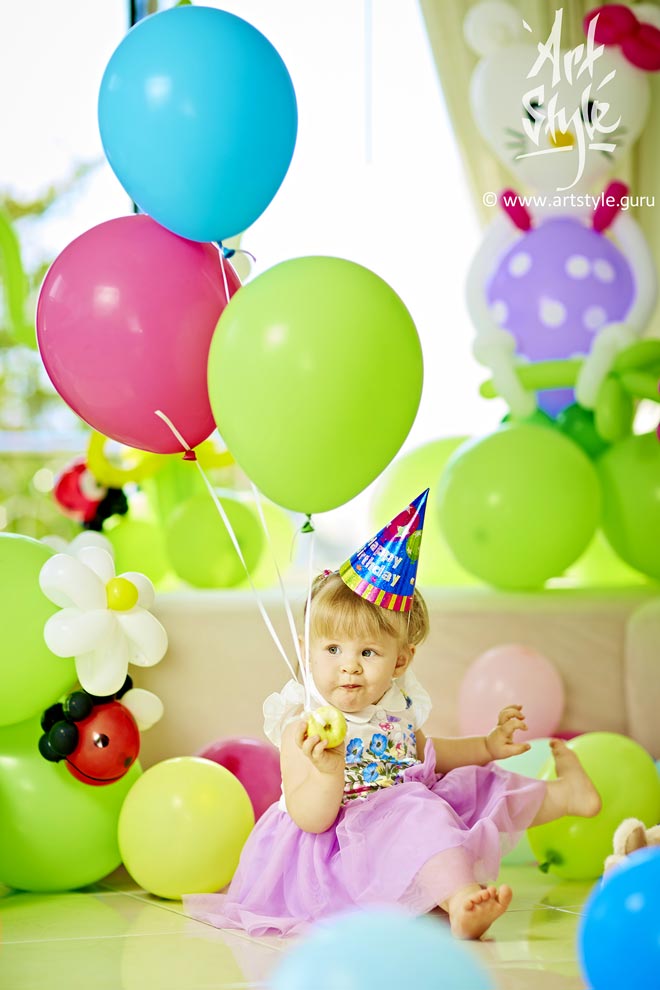
Easiest of all, children photograph well in a space made just for them — one where they feel like they're in paradise. On home ground, a child simply stops noticing the camera.
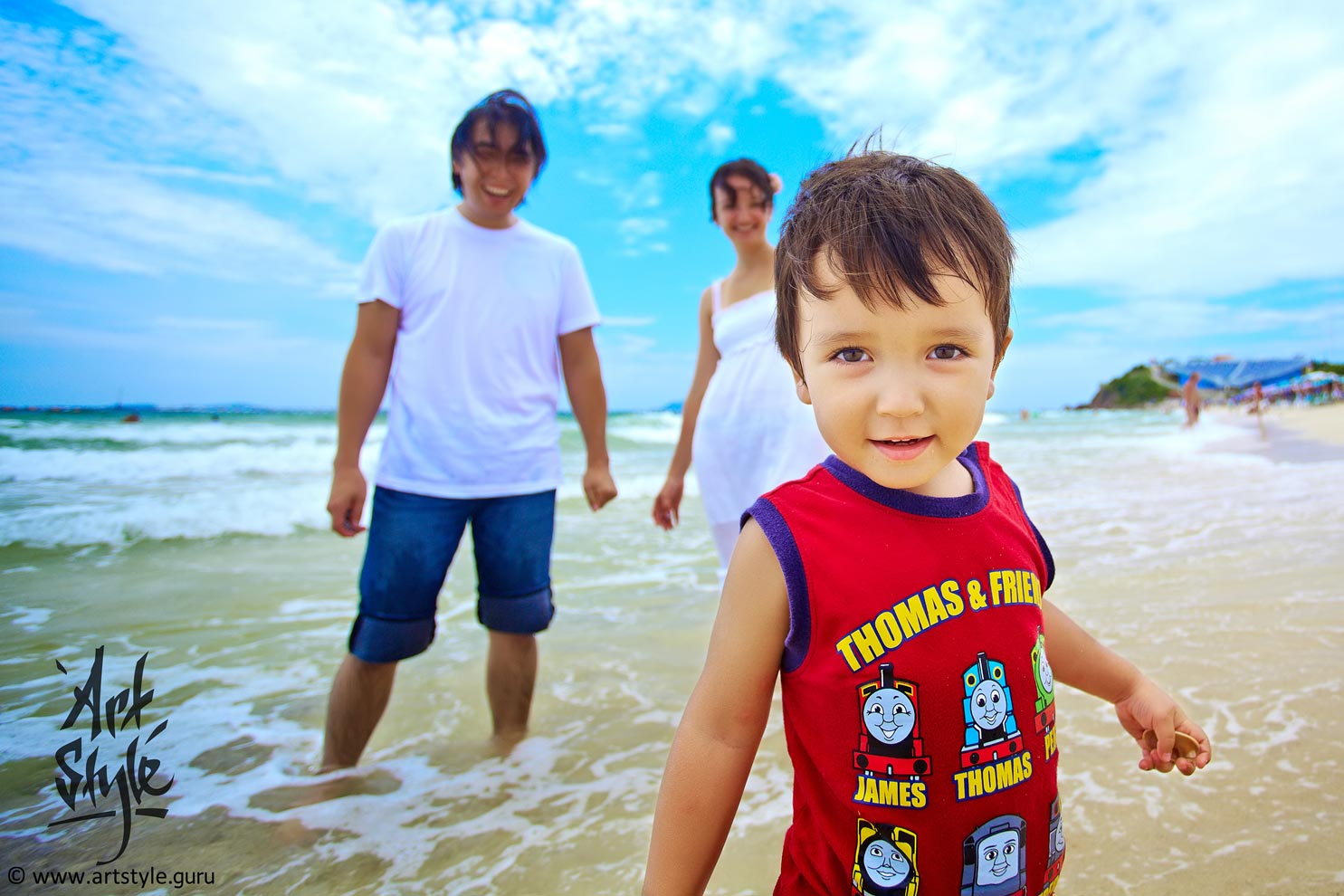
A frame with a child comes out alive and natural when you put their curiosity and bottomless energy to work. Here the little one got interested in the camera — “but how does this thing actually work?”.
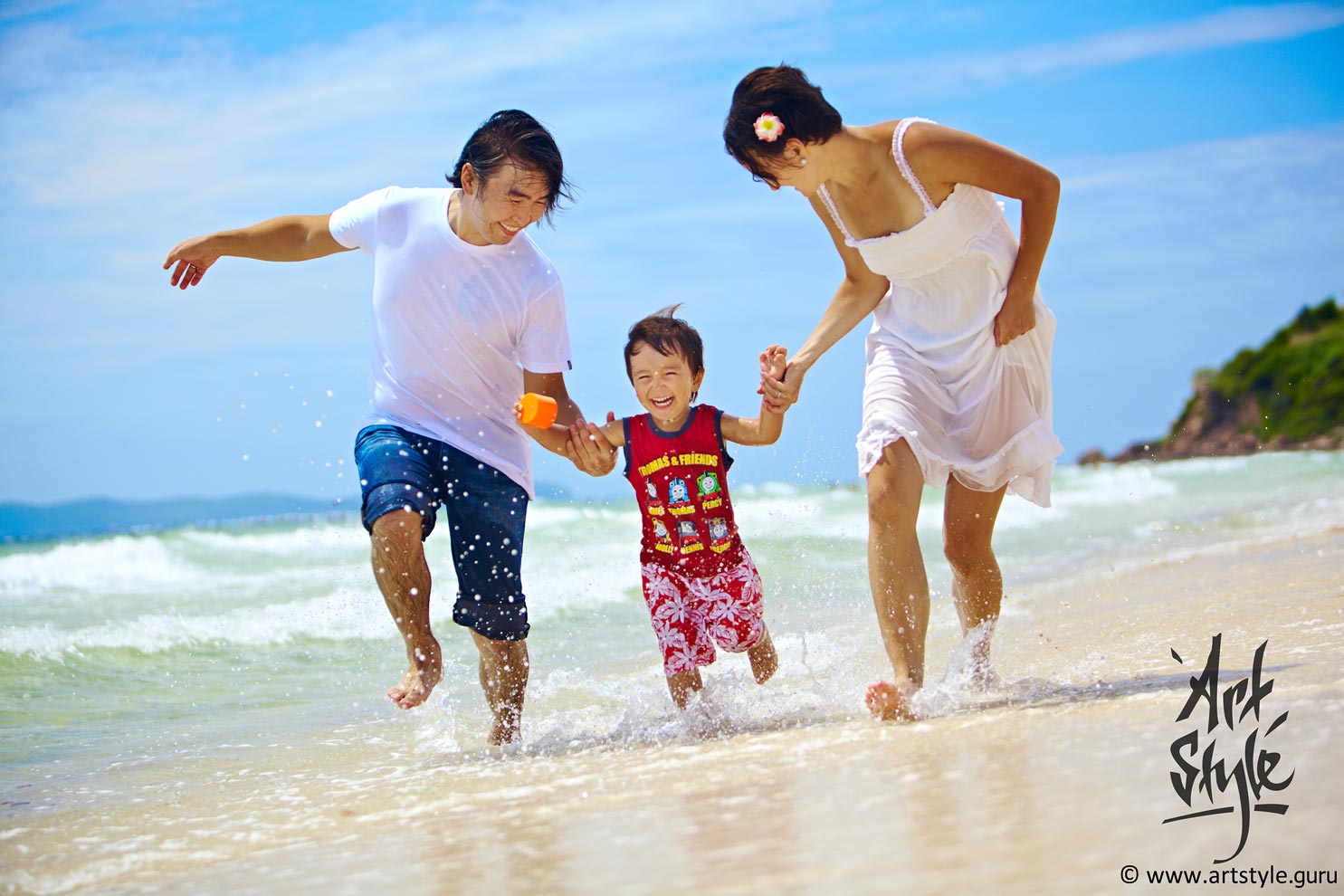
Children always look good in the frame when there's action in it — a jump, a run. They take it for a game and throw themselves in completely, full tilt and full of emotion.
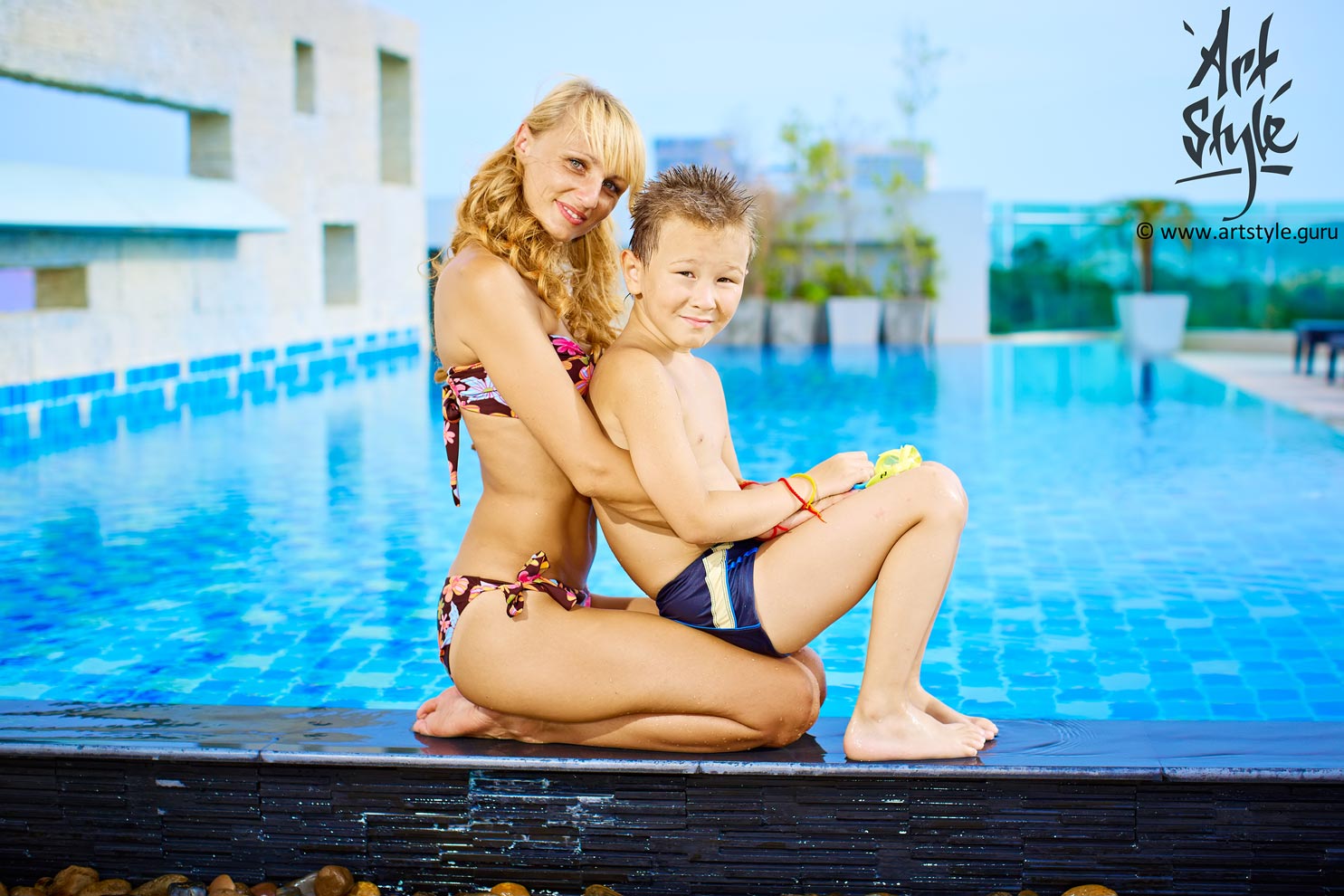
In shooting a pair, what the theatre calls “contact improvisation” matters a great deal — all the touches and interactions within the frame. And no one does it better than a mother with her child.
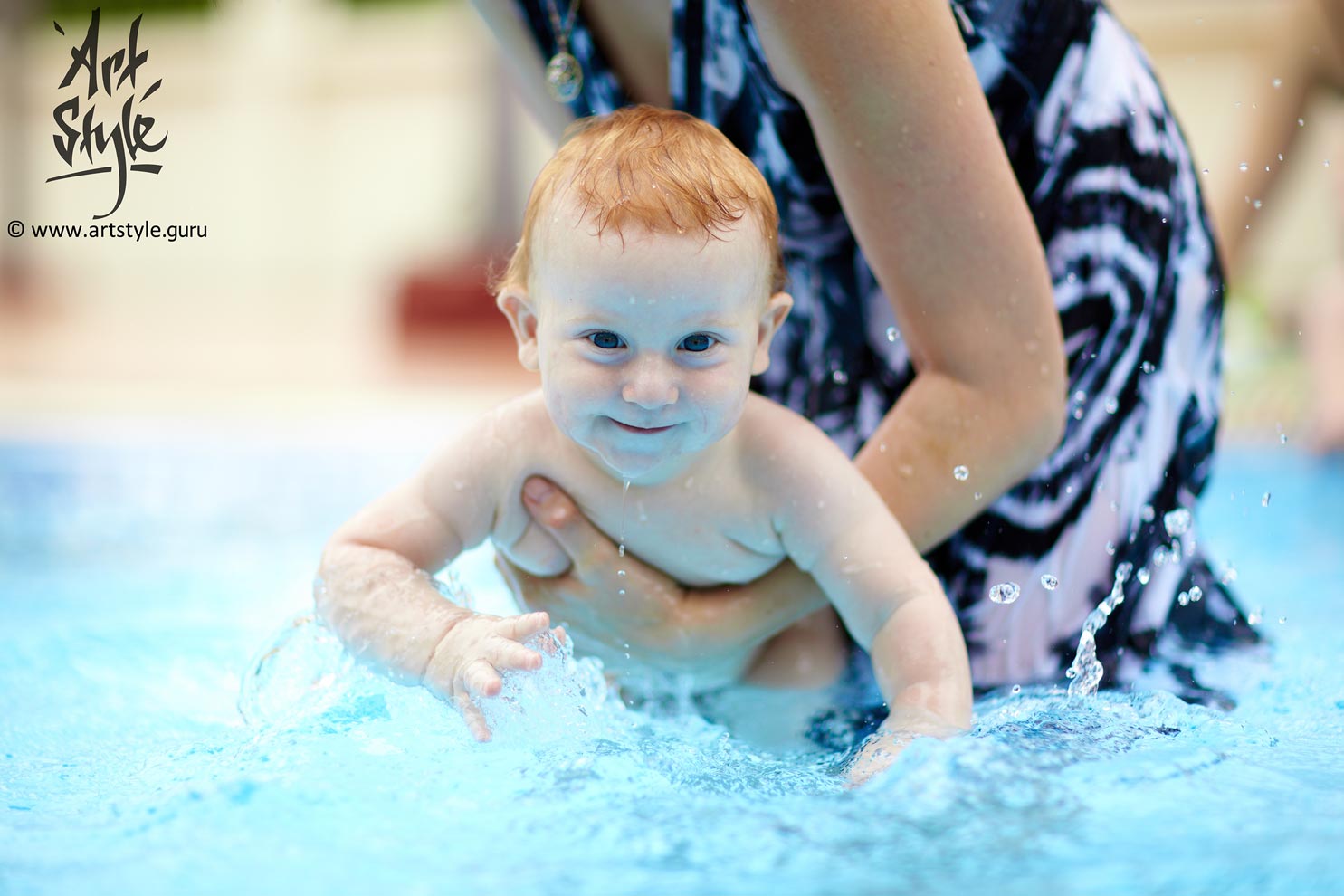
A lot of small children adore water. It would be a shame not to put that to use on a children's shoot.
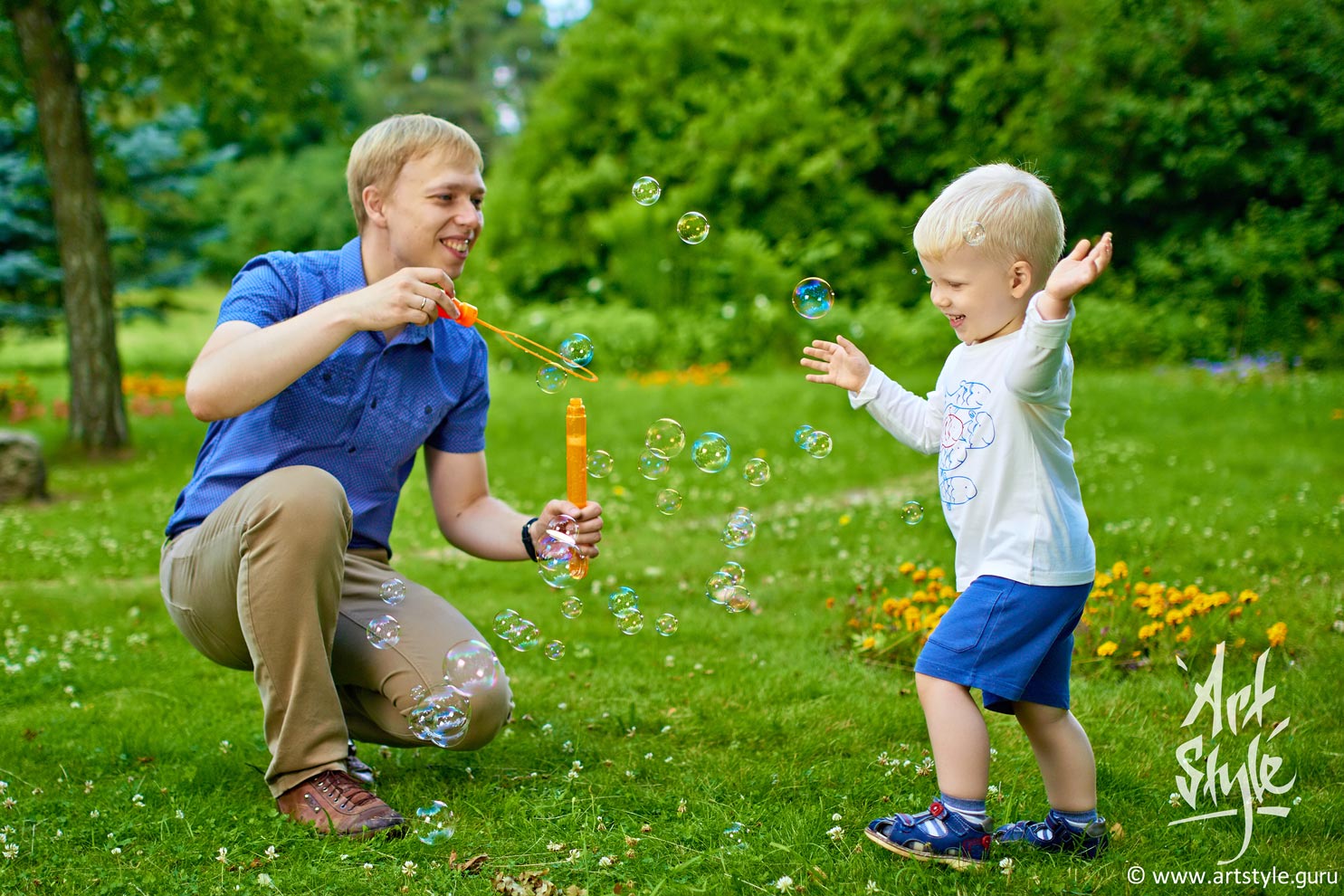
For dynamic scenes — a child at play, say — diffused light is ideal: with it you almost never get a frame where the light falls badly.
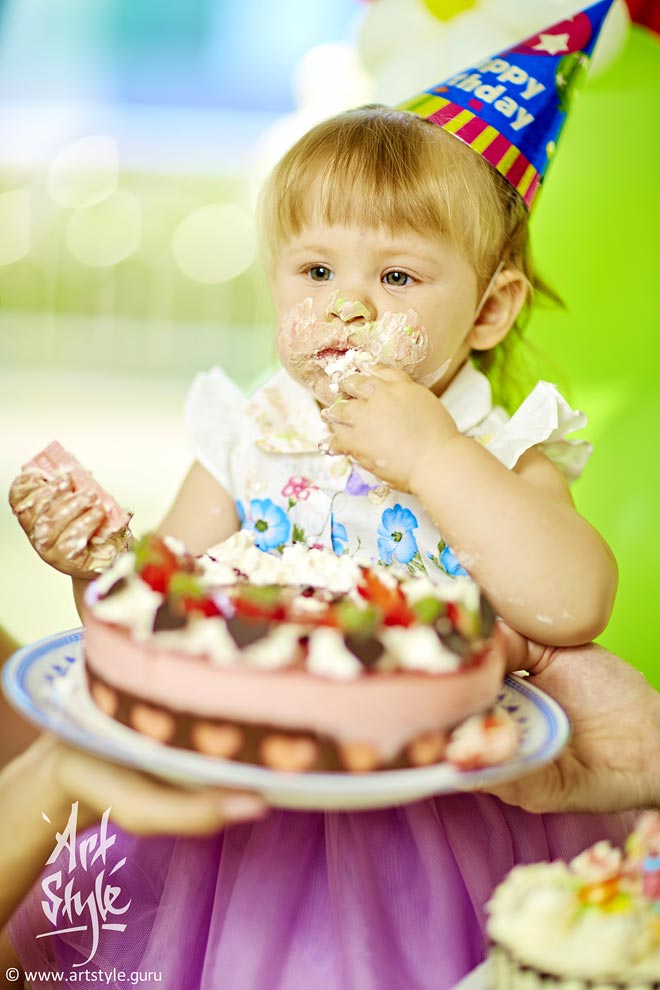
Small children are often shot on a medium telephoto (85–135 mm). That way you don't intrude on the child's personal space or distract him — you simply let the little one be himself.
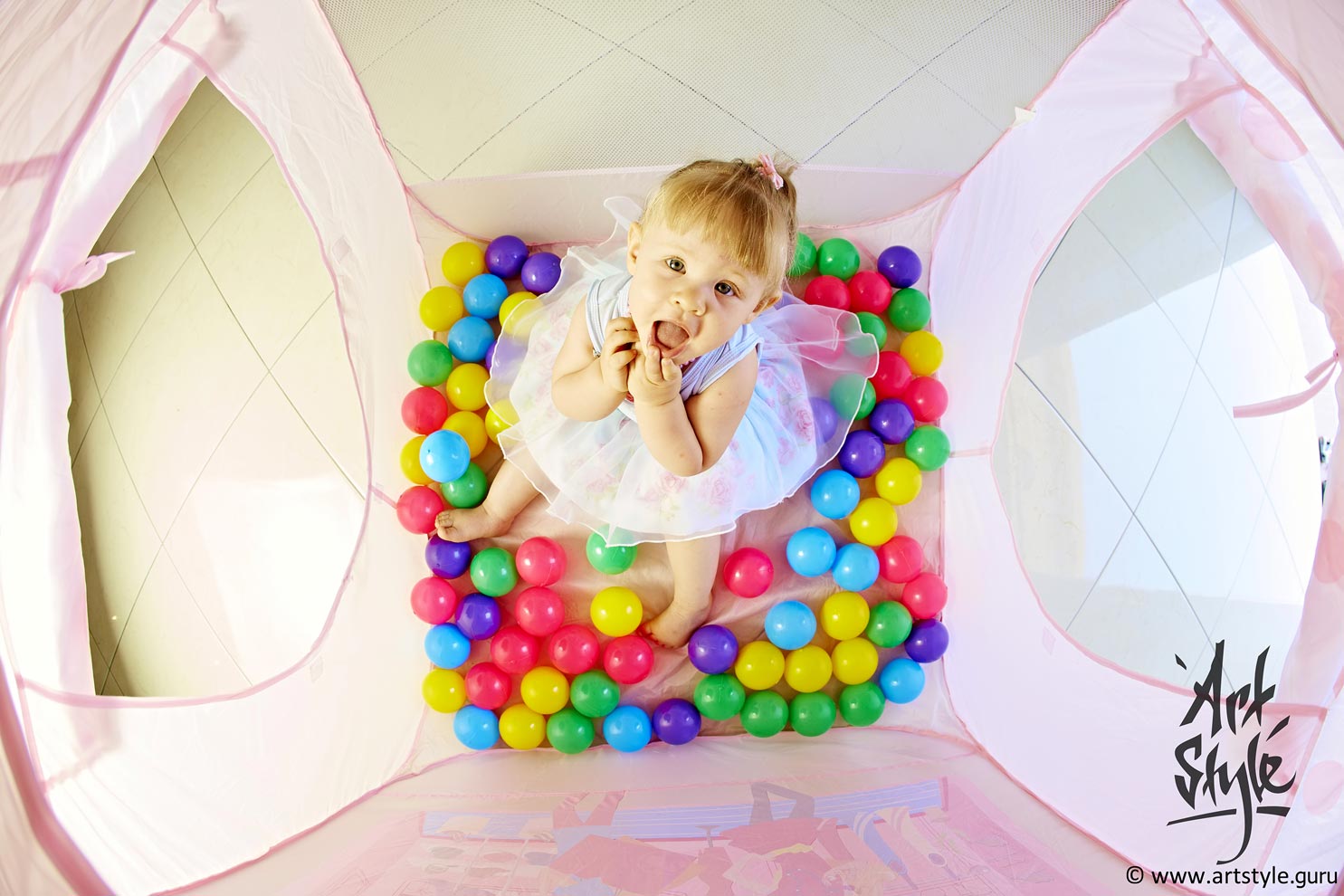
An ultra-wide, by contrast, suits an intimate child portrait: the viewer all but steps into the child's personal space and world. A top-down angle reads as an adult looking down at the child, and so shows his defencelessness before the grown-up world. A fisheye — the extreme case of a wide lens — pushes all of this to its limit.
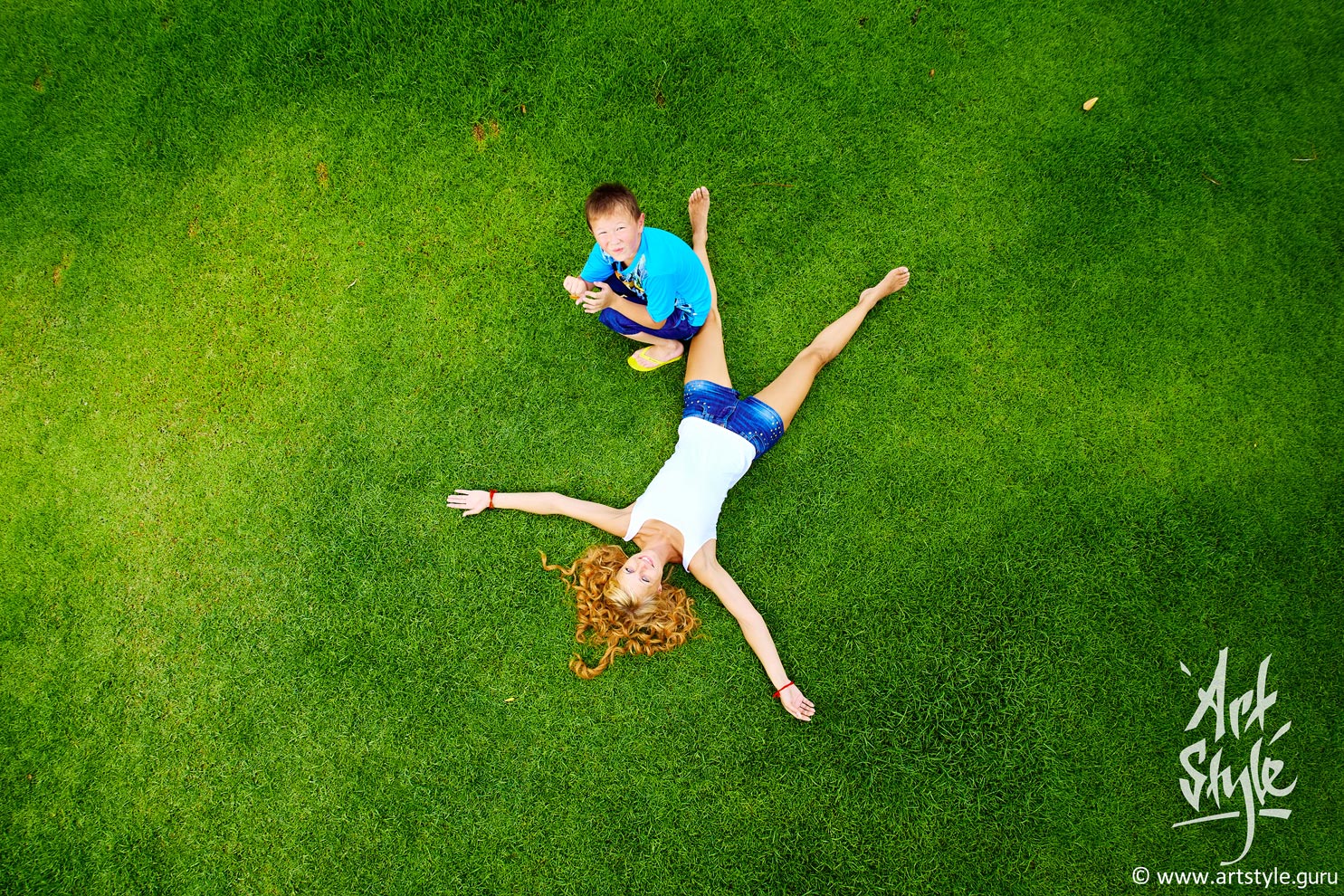
One off-beat trick with a fisheye is shooting straight down. Its chief flaw — straight lines that don't pass through the centre of the frame bow outward — usually doesn't show that way, while the payoff is huge: a shot from just two metres up looks like a wide-angle frame taken from five.