
Fast lenses & background blur
A sharp subject against a soft, melted-away background is just about the first thing that reads as an “expensive” picture. The optics behind it are simple: the faster the lens and the longer the focal length, the more you can lift a person off the background. But blur is a tool, not an end in itself — it can sculpt volume and mood, or it can wreck the frame. Here's how I match the lens to the task, from the hardest shot of all to the common mistake right at the end.
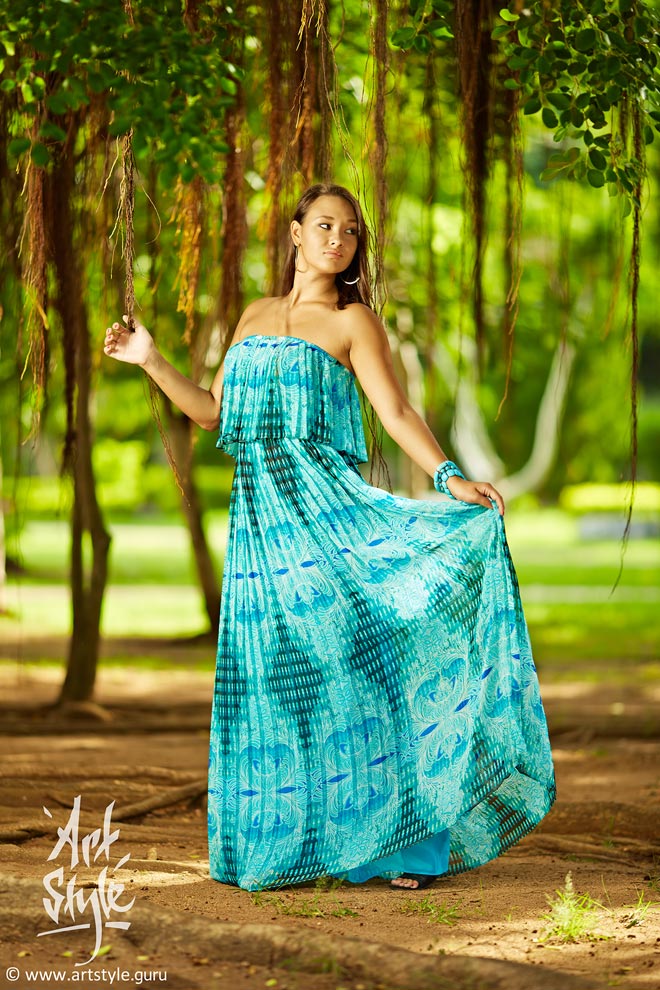
The hardest frame to blur a background behind beautifully is a full-length portrait. By the plain laws of optics, the lenses that handle it best are the fastest — and the most expensive — ones. That's largely why the full-length portrait is so common among professionals, while the tight head-and-shoulders shot is almost a no-show; with beginners it's exactly the other way round.
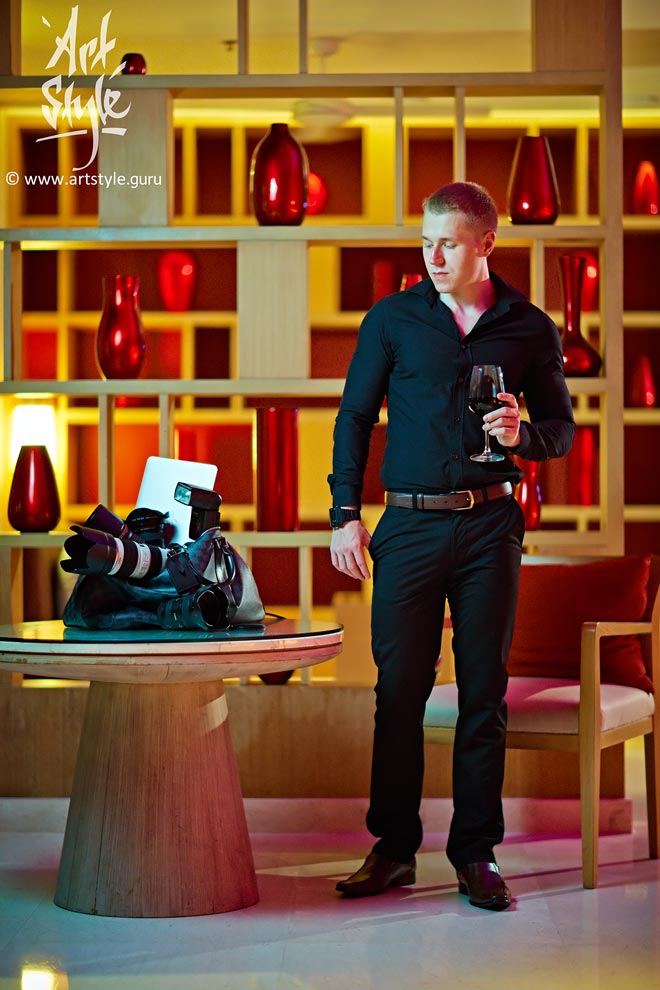
Hardest of all is a full-length portrait indoors — tight space, the background close, nowhere to step back. Here the photographer has effectively one option: the 85/1.2. This frame was shot on the Canon EF 85/1.2 L II — a simpler design than the more modern glass, which is exactly why it gives such low vignetting and high light transmission, and a phenomenally strong blur right out to the edges of the frame.
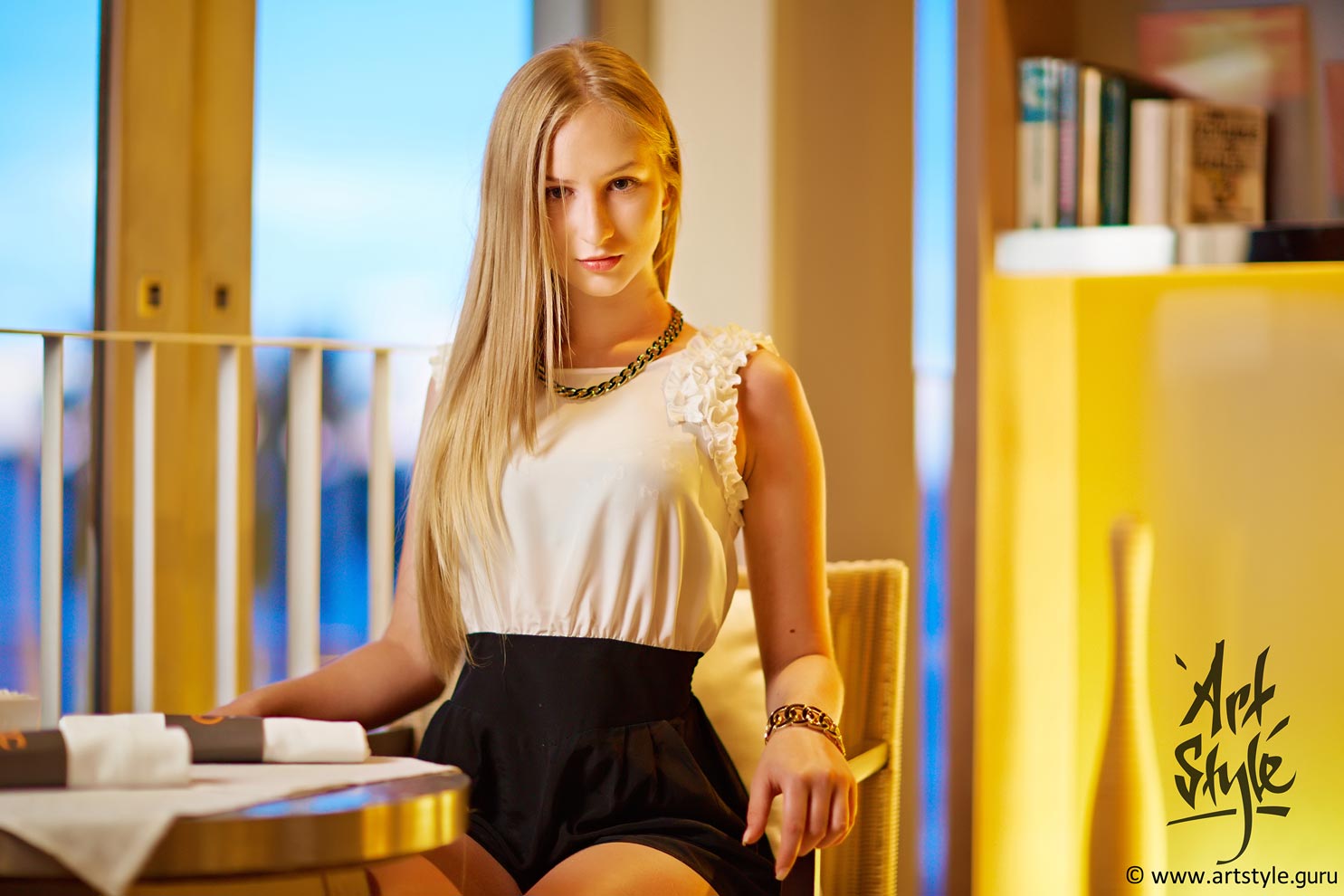
What makes this frame work isn't only the beautiful model and the way f/1.2 on the legendary Canon 85L II lifts her clear of the background — it's also colour. The clean colour separation here comes from a pair of opposites on the colour wheel: orange-yellow against violet-blue.

Fast lenses with a long focal length — the 85/1.2 and 135/2.0, say — show spherochromatism wide open: the spherical aberration shifts with wavelength, so out-of-focus highlights pick up a greenish fringe at the back of the frame and a matching pink one up front. The happy side effect is that the bokeh turns especially soft and lovely — most of all against green. That's the real reason these lenses pull you outdoors for portraits.
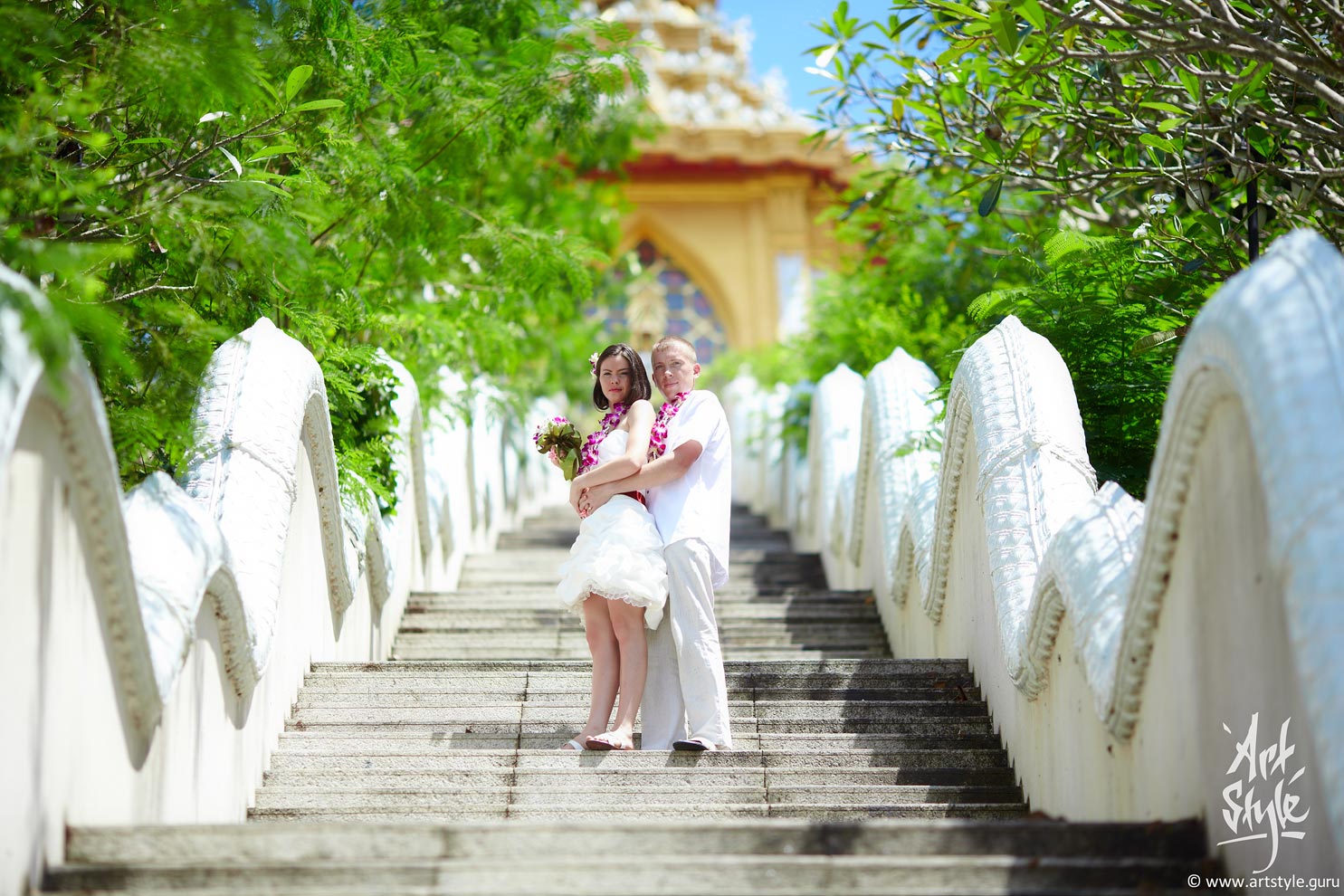
One of the best lenses for an outdoor portrait is the 135/2.0. That pairing of focal length and aperture keeps a fairly generous depth of field while still blurring the background convincingly — even at full length.
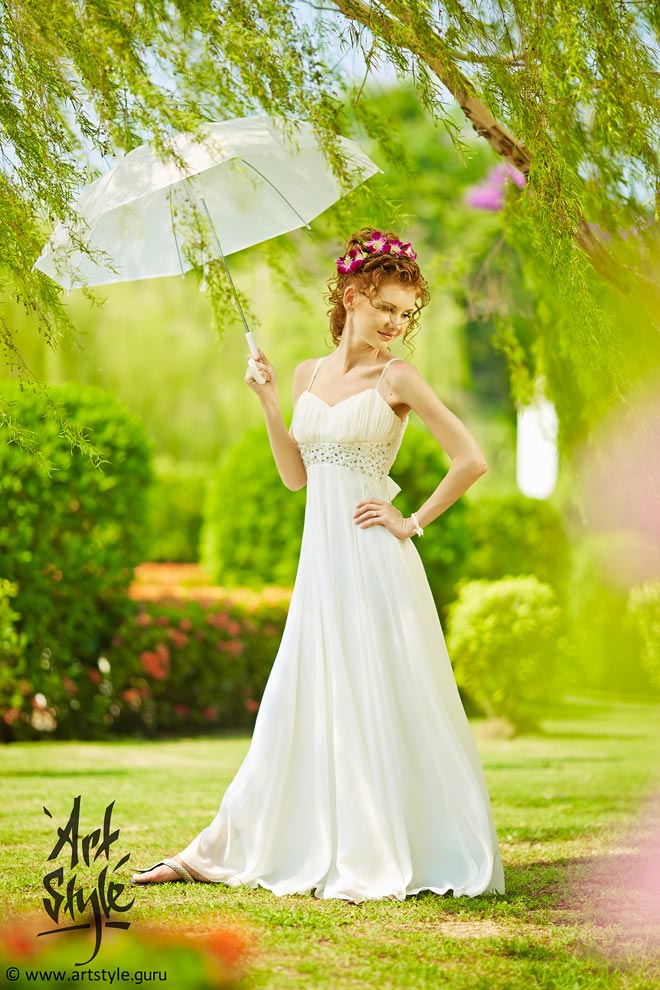
The softness and plasticity of a woman's image in a photograph often come from low overall contrast and the blurring-away of fine detail. That calls for a fast lens and a light source set well back, to soften the shadows.

To keep a group of people sharp while the background melts away nicely, you reach for a fast telephoto — here, a 200/2.8.

Water in the frame almost always looks striking. But to keep the gear out of the splash you have to hold your distance — which makes a telephoto a must (this one on a 70–200/2.8 L IS II at 200 mm).

At a good wedding the hot-blooded bride sees to the guests' entertainment personally. When the light is short, a group shot like this is handy on a 35/1.4: even wide open, the apparent depth of field is enough to hold the whole company sharp at full length.

The chief virtue of the “normal” 50 mm is exactly that blend of wide and telephoto built into it: a moderately wide perspective paired with the background blur of a moderate telephoto. Though who am I telling — everyone's only looking at the model anyway.
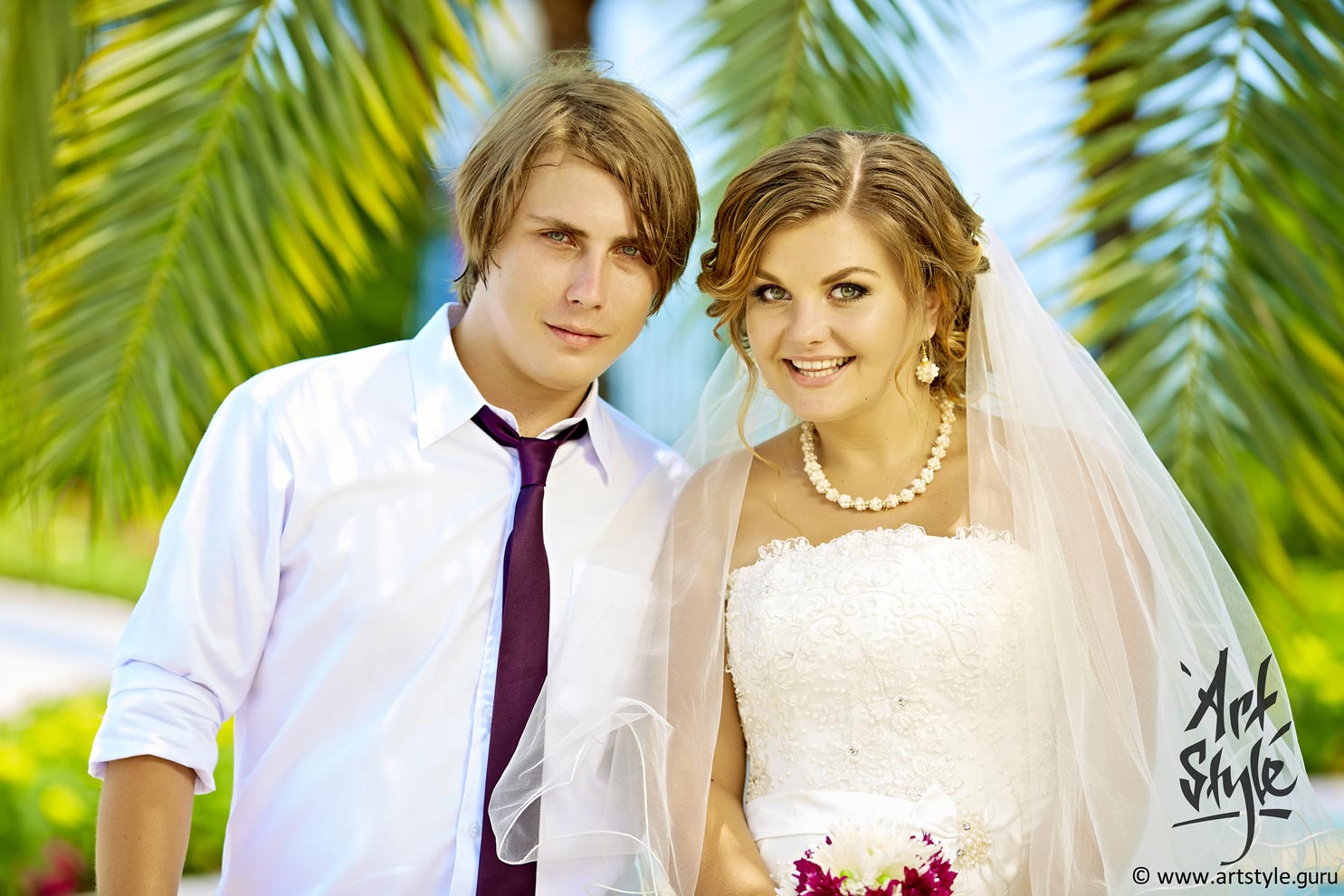
The common mistake of fast-lens enthusiasts: over-blurring the background on waist-up frames and tighter. The subject shouldn't fall out of a background scrubbed to nothing — it needn't compete for attention, but it does need to read, if only as context.