
The craft & the reality of the job
From the outside, a photographer's job looks glamorous: striking frames, models, sunsets. The flip side is far more prosaic — mud, wind, hours of waiting in ambush, and gear pushed to its limit. And behind every “magical” shot there's no Photoshop and no expensive kit, but the knack of getting everything right on the spot, in camera. A little about the craft — and about how it really looks, without the gloss.
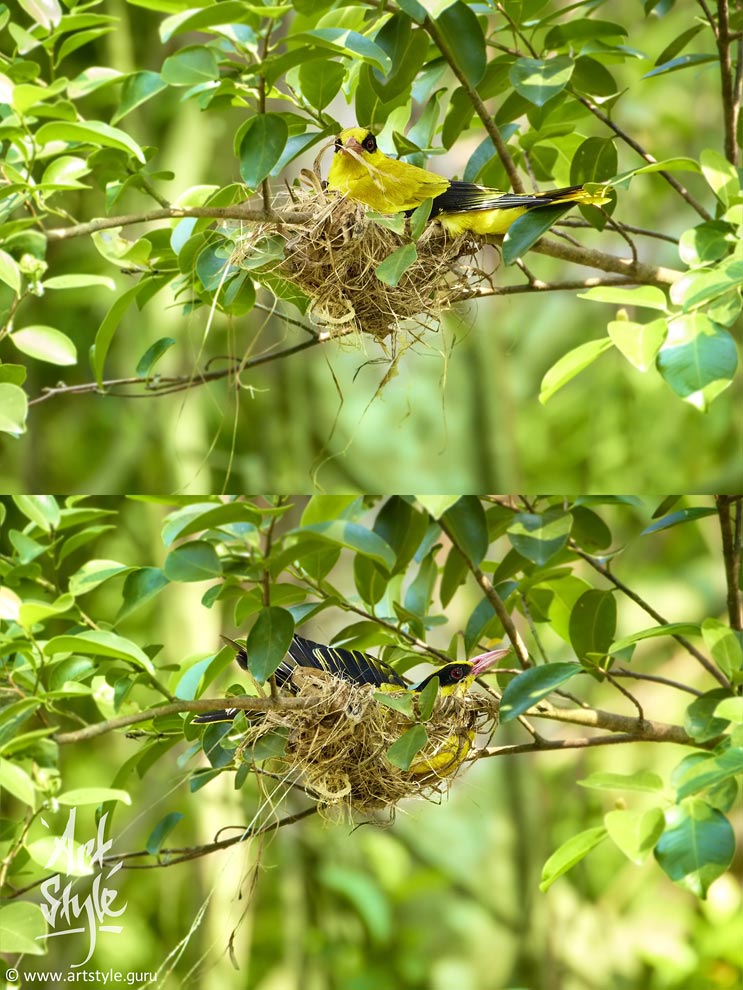
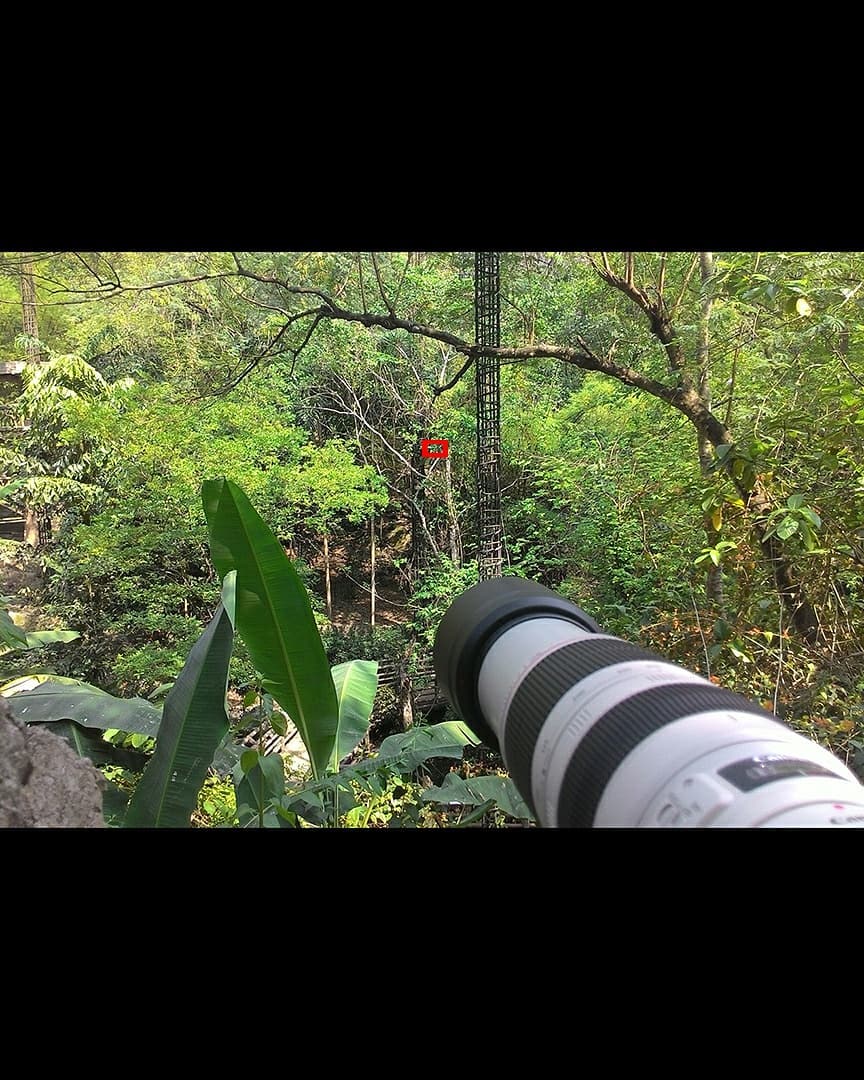
Let's start with how a frame like this even gets made. A black-naped oriole is weaving its nest somewhere across the ravine; the red box marks what ended up in the shot. The phone snap shows the main point: the distance to that 25-centimetre bird is considerable, and without a serious telephoto there's nothing to be done here.
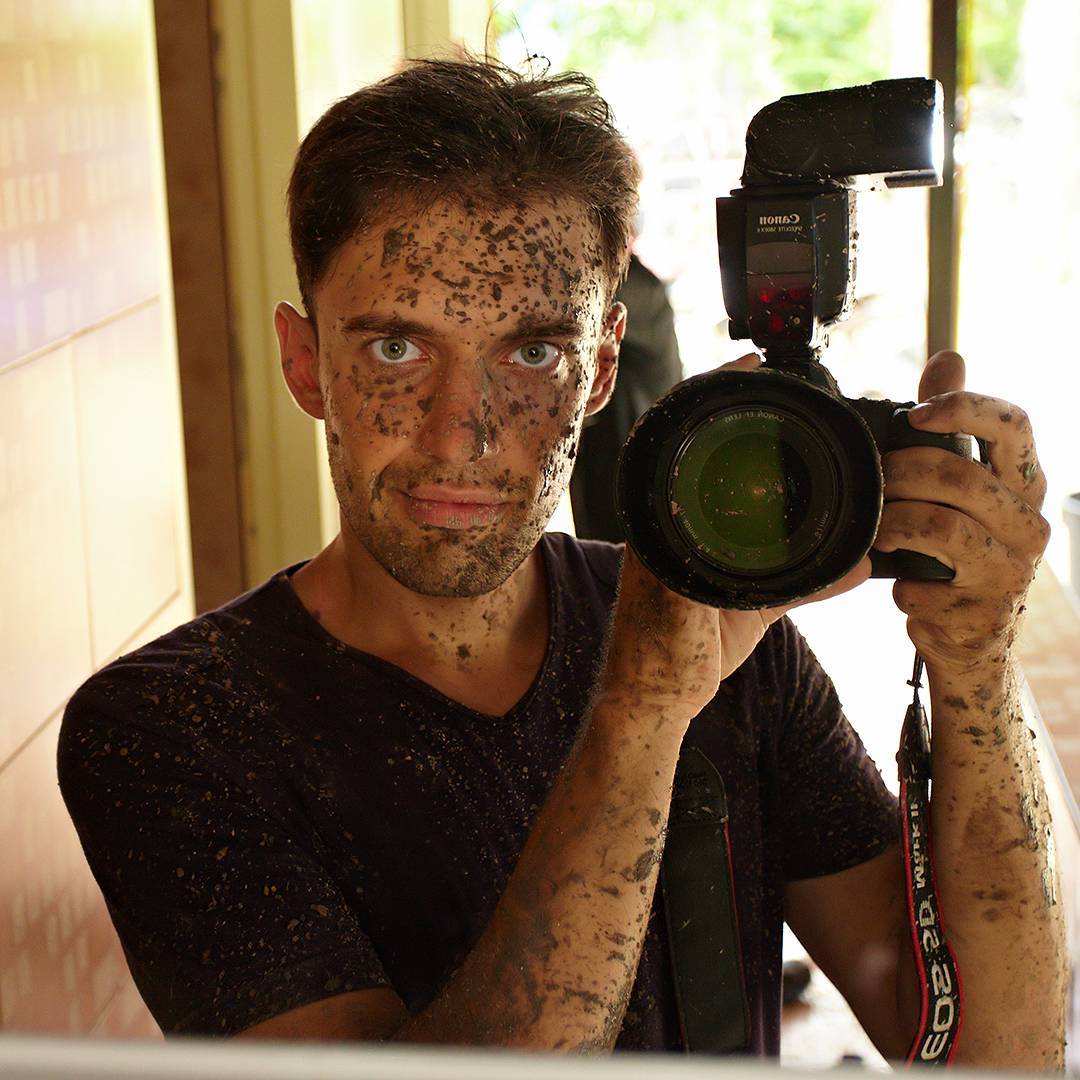
Sometimes the job is pure extreme sport. On this buggy-raid shoot I rode as navigator-cum-photographer, got filthy up to the eyebrows, and even flipped over once (the driver reckoned the route straight through a palm tree would be quicker). The camera, thankfully, survived.
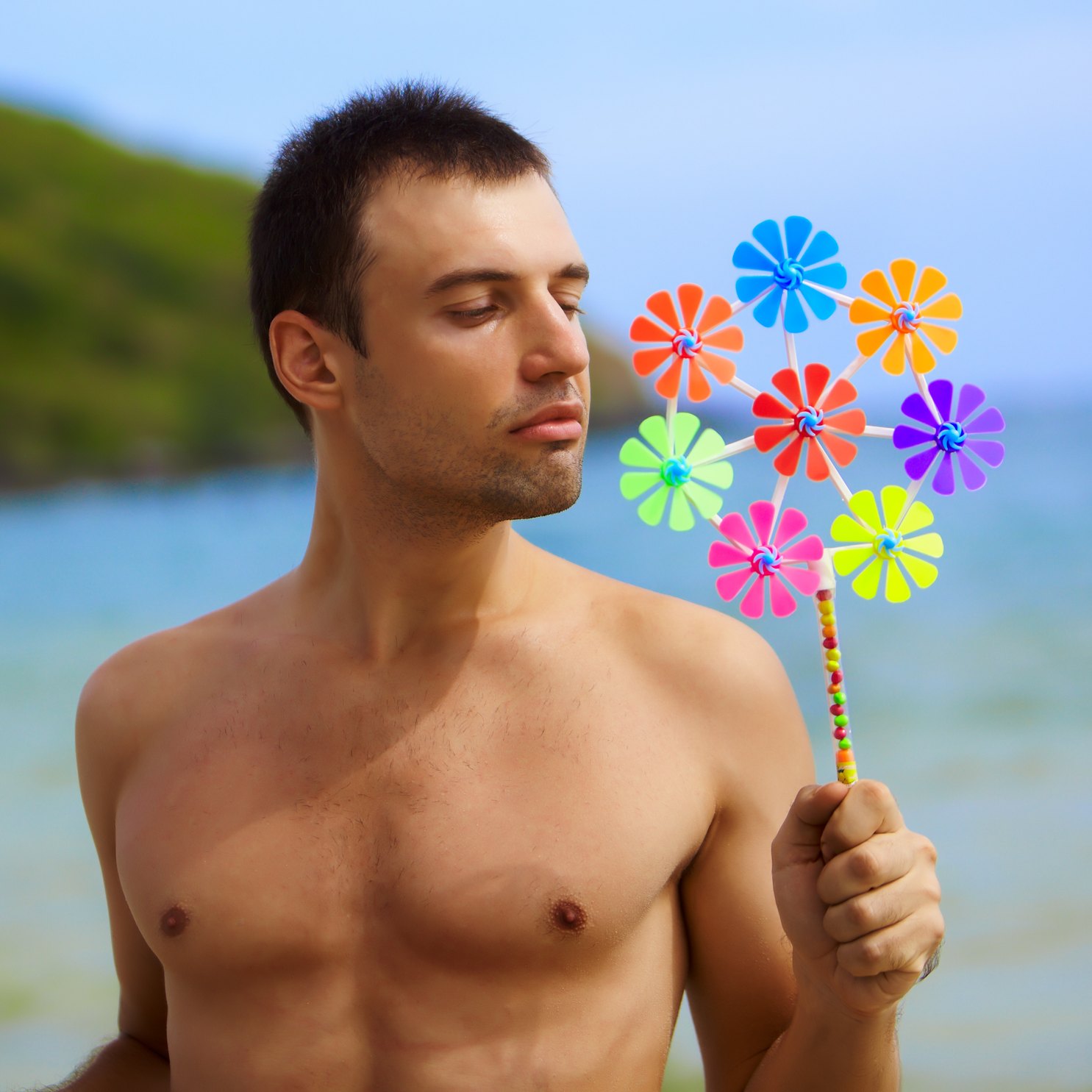
If the bride has a full dress or a long veil, then on a beach shoot a professional photographer periodically has to measure the wind's speed and direction, so the fabric billows out fully and beautifully in the frame.
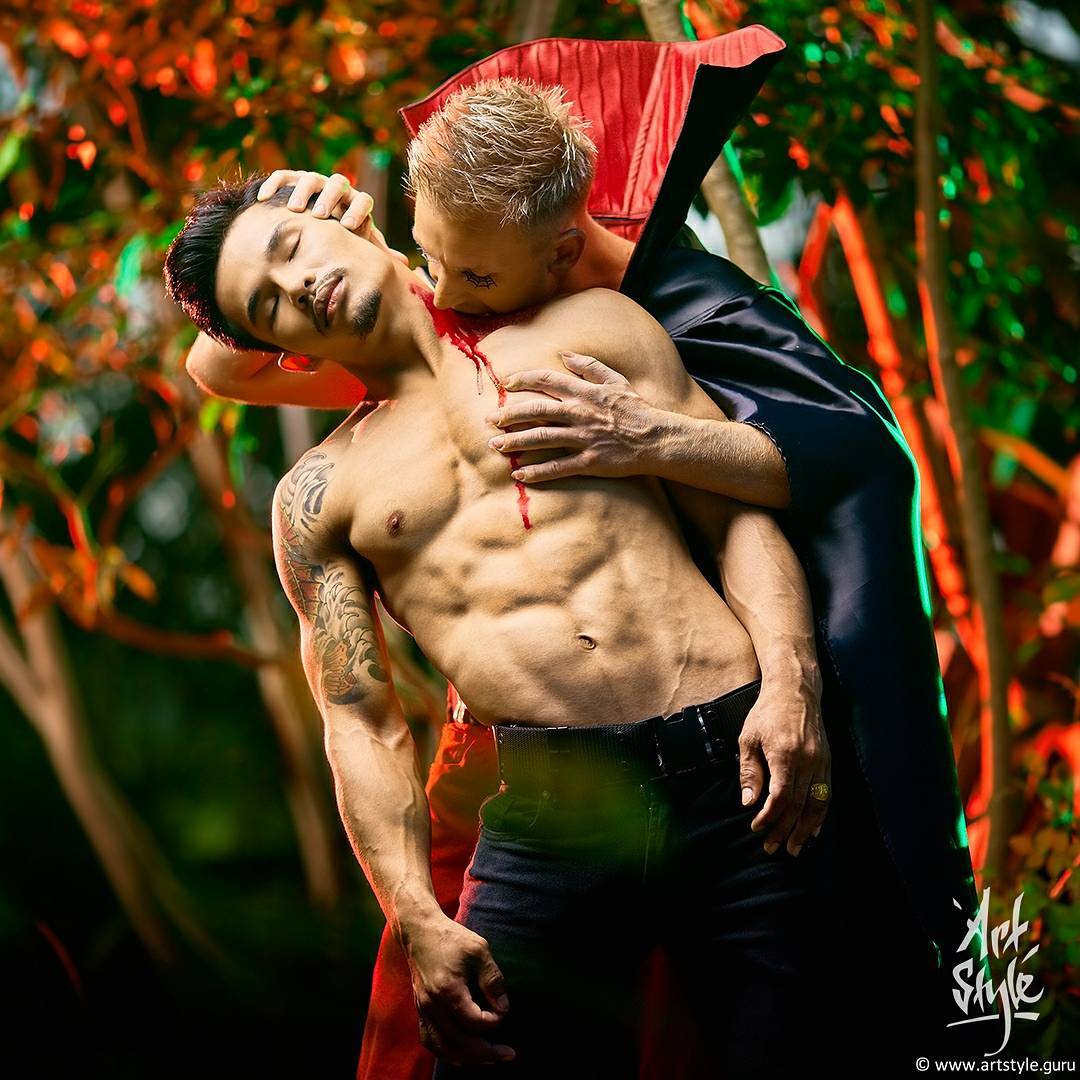
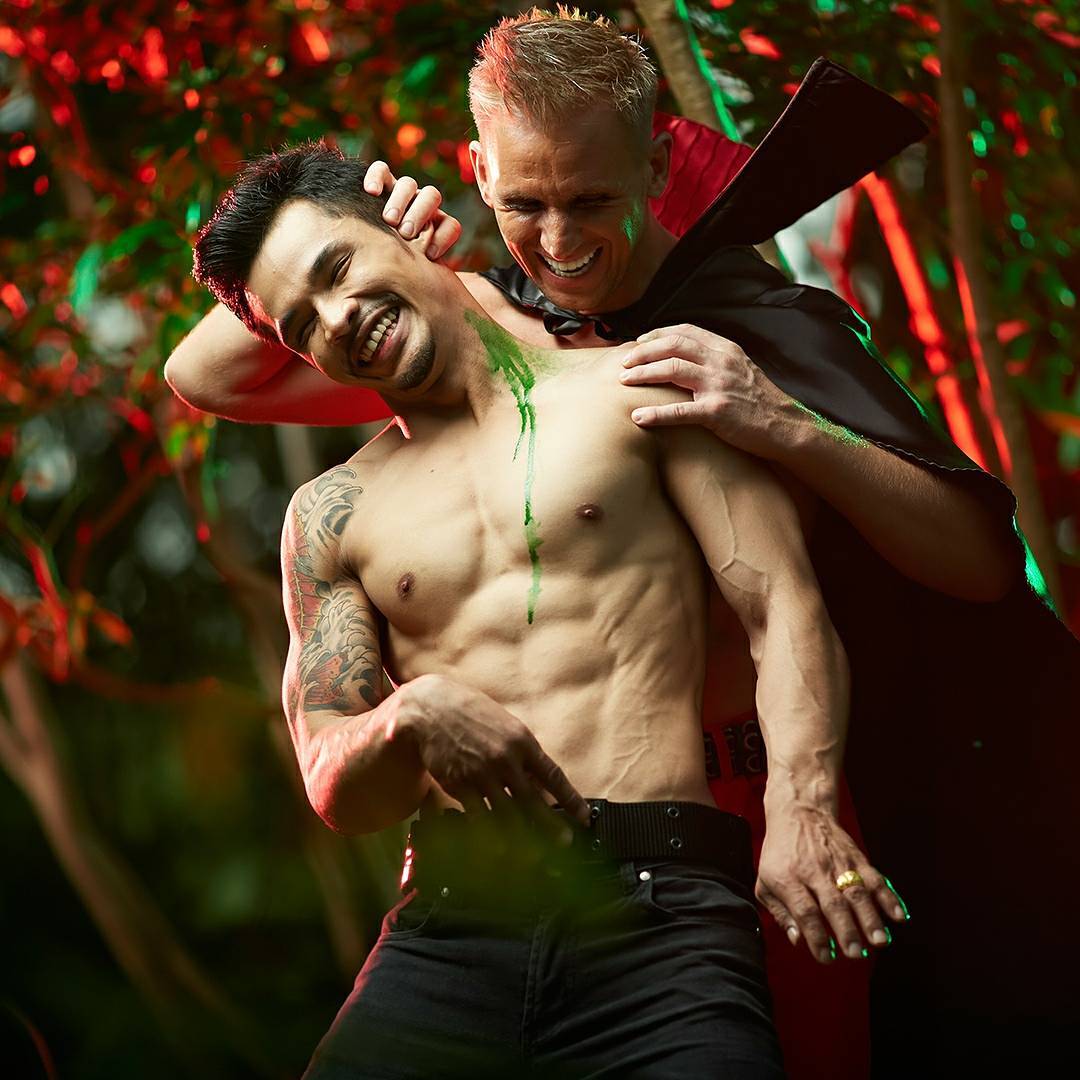
“Vampire Diaries, Part 2. Thirst.” A stroll through the abandoned mansion could not go unpunished: as soon as it grew darker, the vampire overtook his pretty victim and sank a fatal bite into her… And for anyone curious how I work — the second frame shows the working moment, posted “as is,” entirely without post-production.
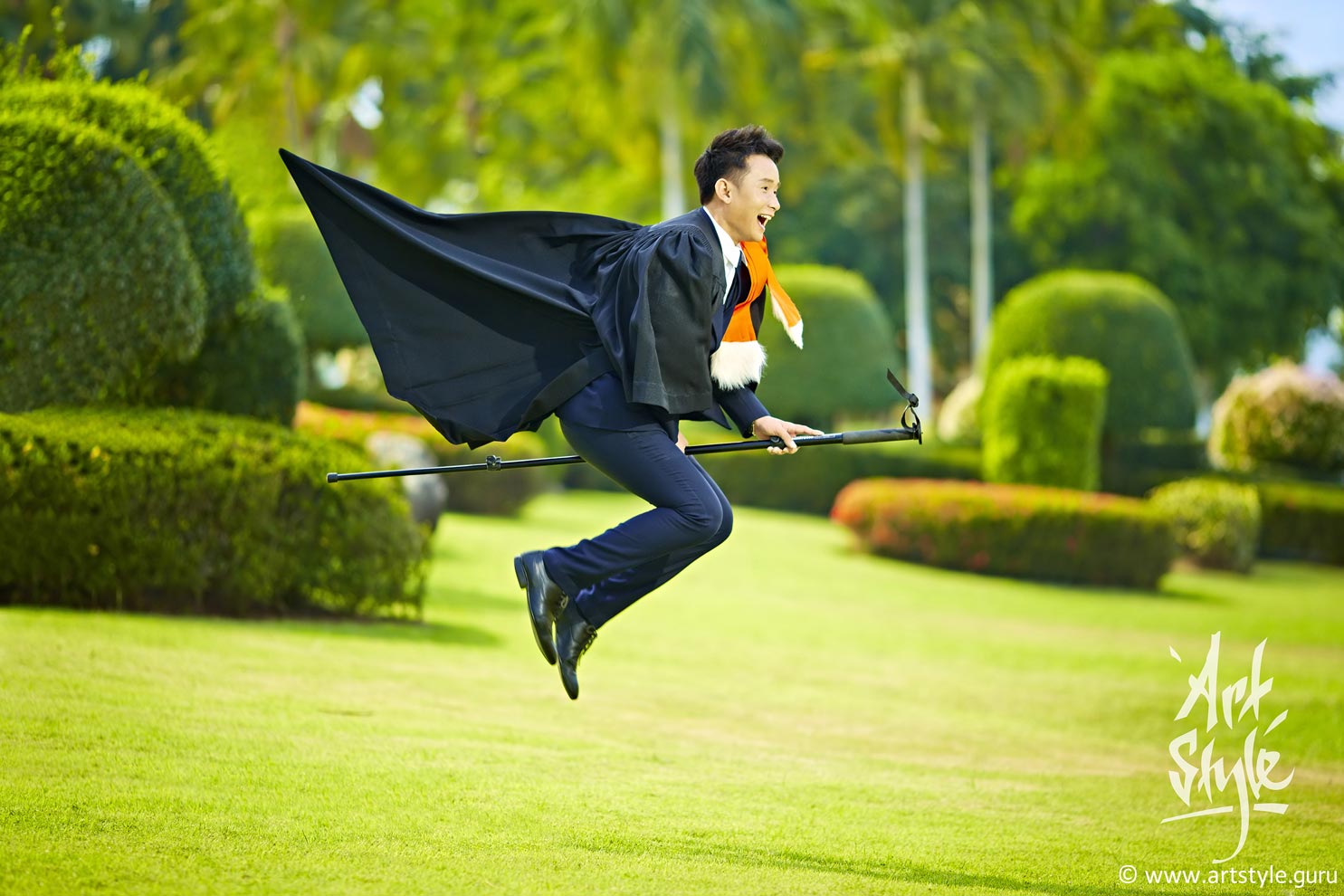
And here is where the craft begins. A photographer's skill is the ability to make a technically clean frame and catch the right moment at the same time. And the real mastery is to do all of it in a single shot, with no recourse to any image editor.
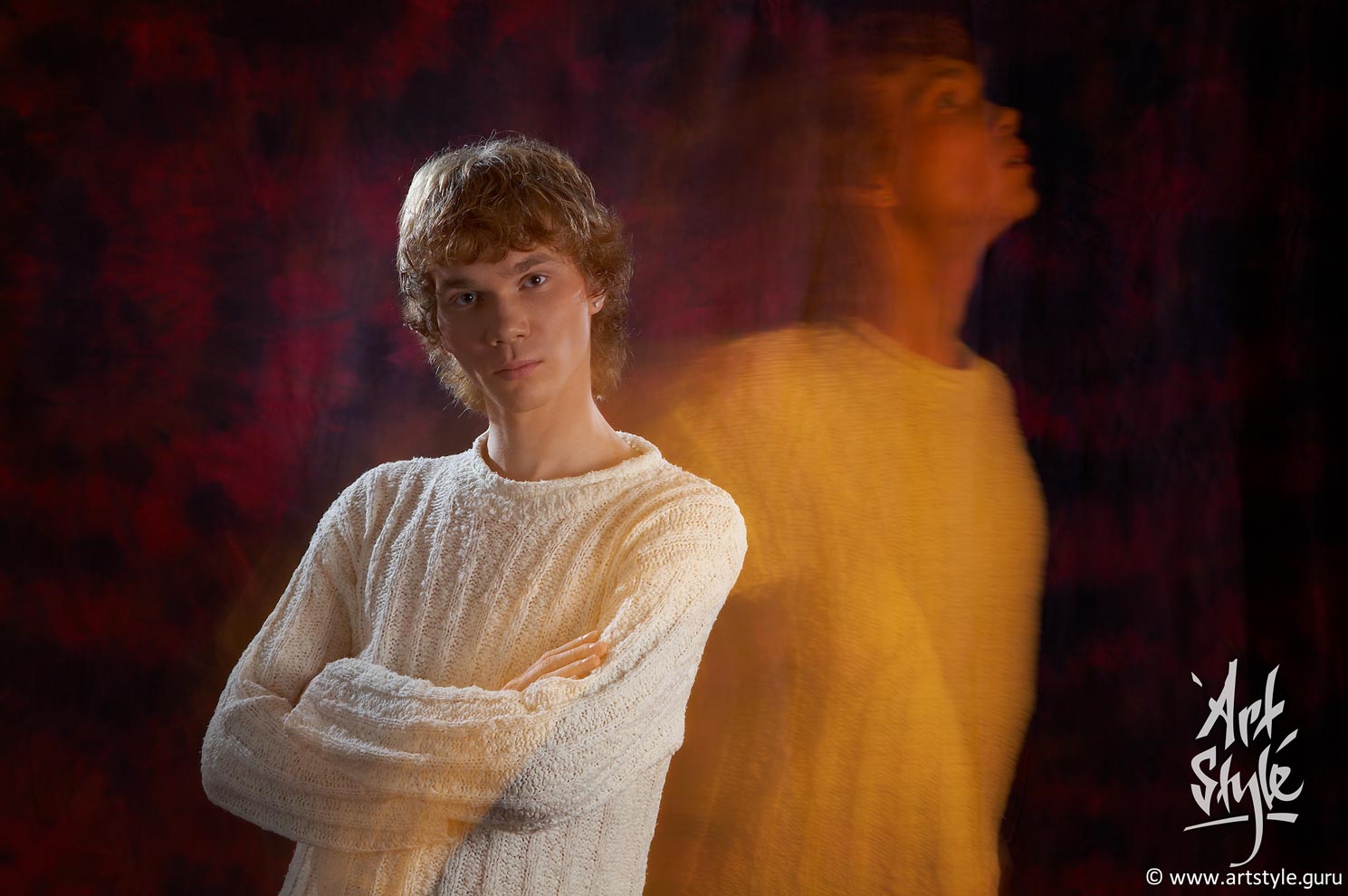
Skill is best measured by the classic yardstick: how well you see the light, and how deftly you work it right there on set. Processing doesn't even enter into it. This frame is from the “Soulbringer” project — one take, no post.
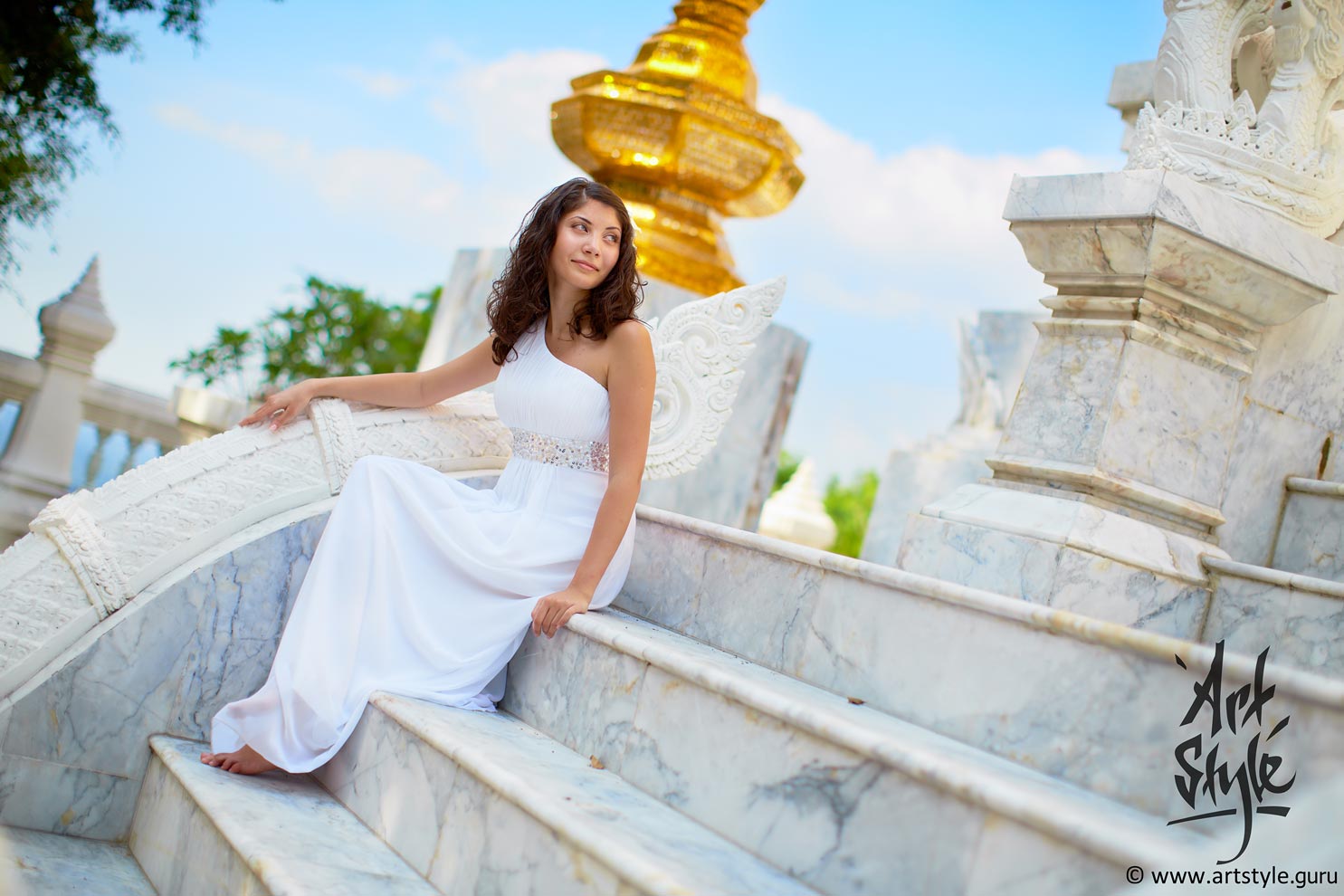
Strong photographers try to realise the idea at the shooting stage — that way the frame has more expressiveness and naturalness, and heavy processing simply isn't needed. This “angel,” for one, came about purely through the right viewpoint and a photographic eye.
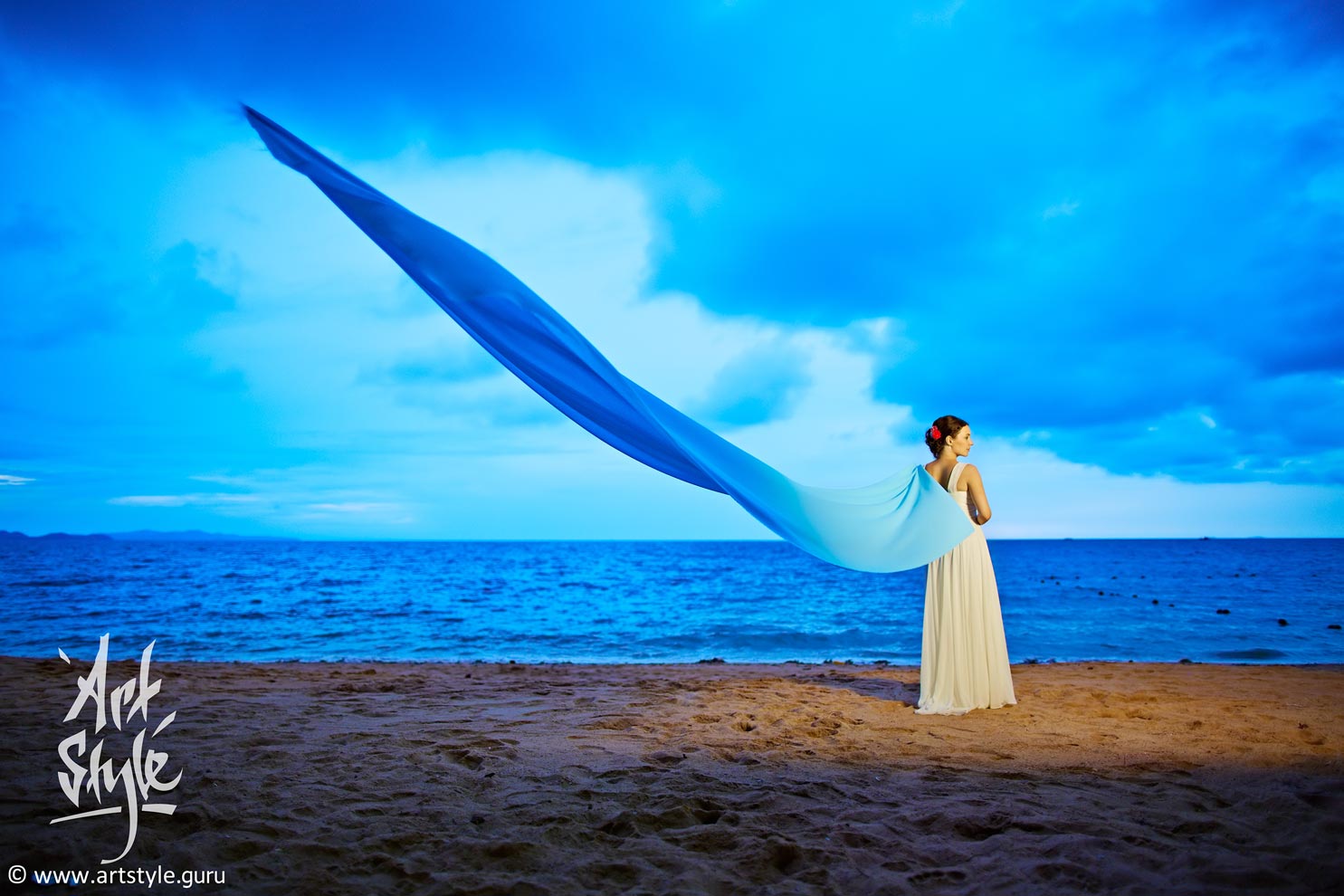
An experienced photographer tries to realise the idea on the shoot; the inexperienced one thinks, “I'll sort it out in Photoshop later.” But competent Photoshop work demands a very detailed grasp of the nature of light — and anyone with that grasp no longer needs Photoshop. While for the one who couldn't pull the idea off on set, Photoshop will be of little help.
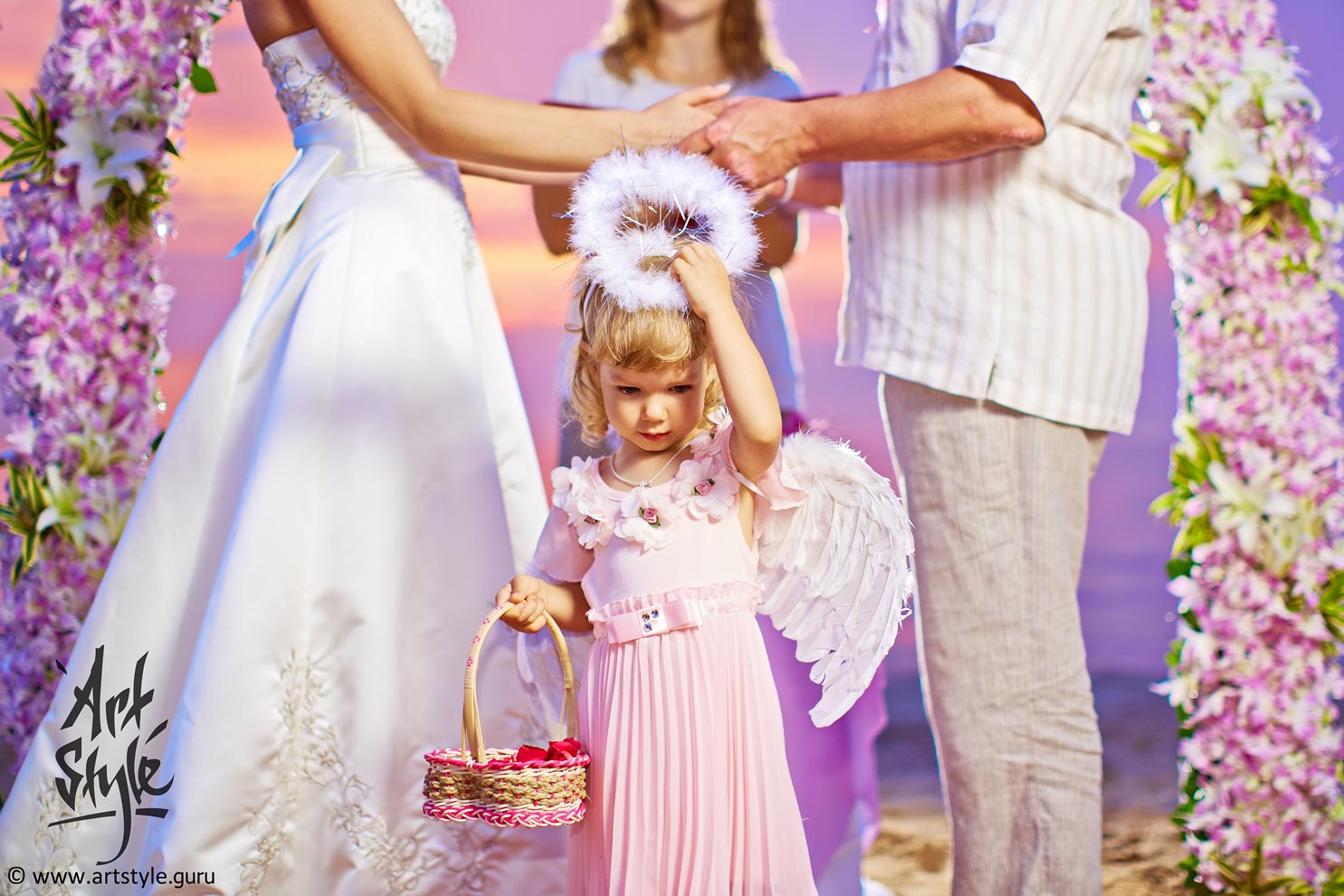
Viewers often insist this shot can't be real — studio, surely, with a “Photoshopped” background. In fact it's as real as they come, and reportage at that: no one posed for me. All the magic came from catching the sunset at exactly the right moment and five flashes on set.
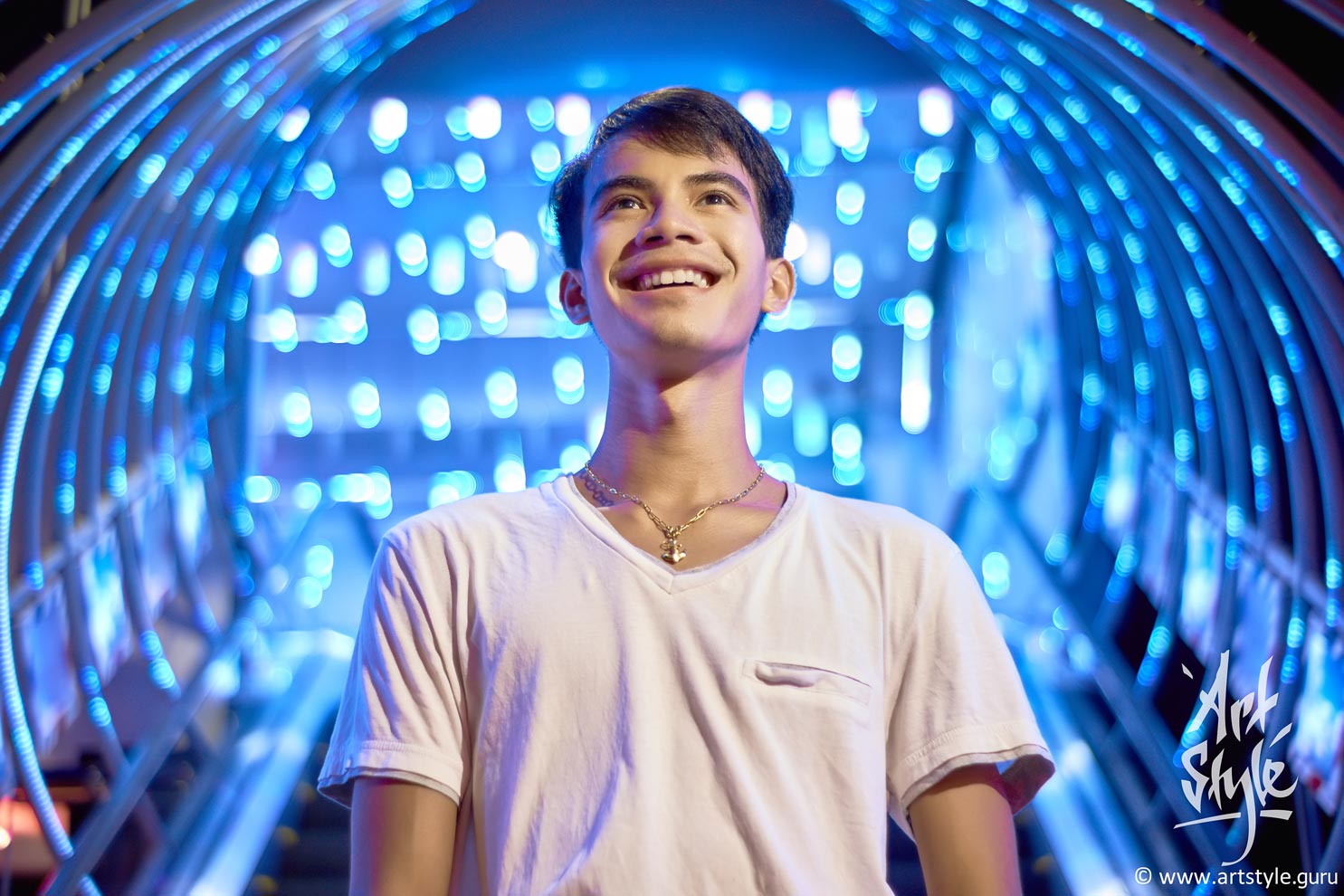
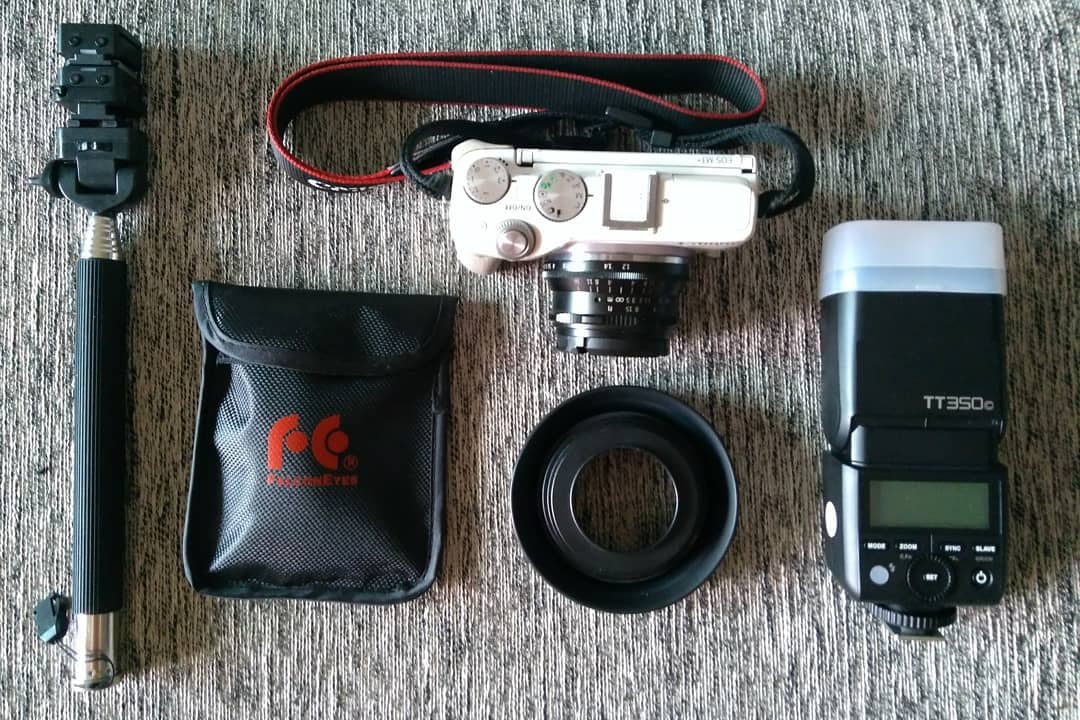
And one last myth to finish on: that good shots come from expensive gear. They don't. Good equipment helps, of course, but an experienced photographer will get good photos on the cheapest kit without any trouble. Here's the proof: all the gear for this shoot cost under $500 (it's in the second frame) — an old EOS M mirrorless, a manual lens, a monopod and one compact flash.
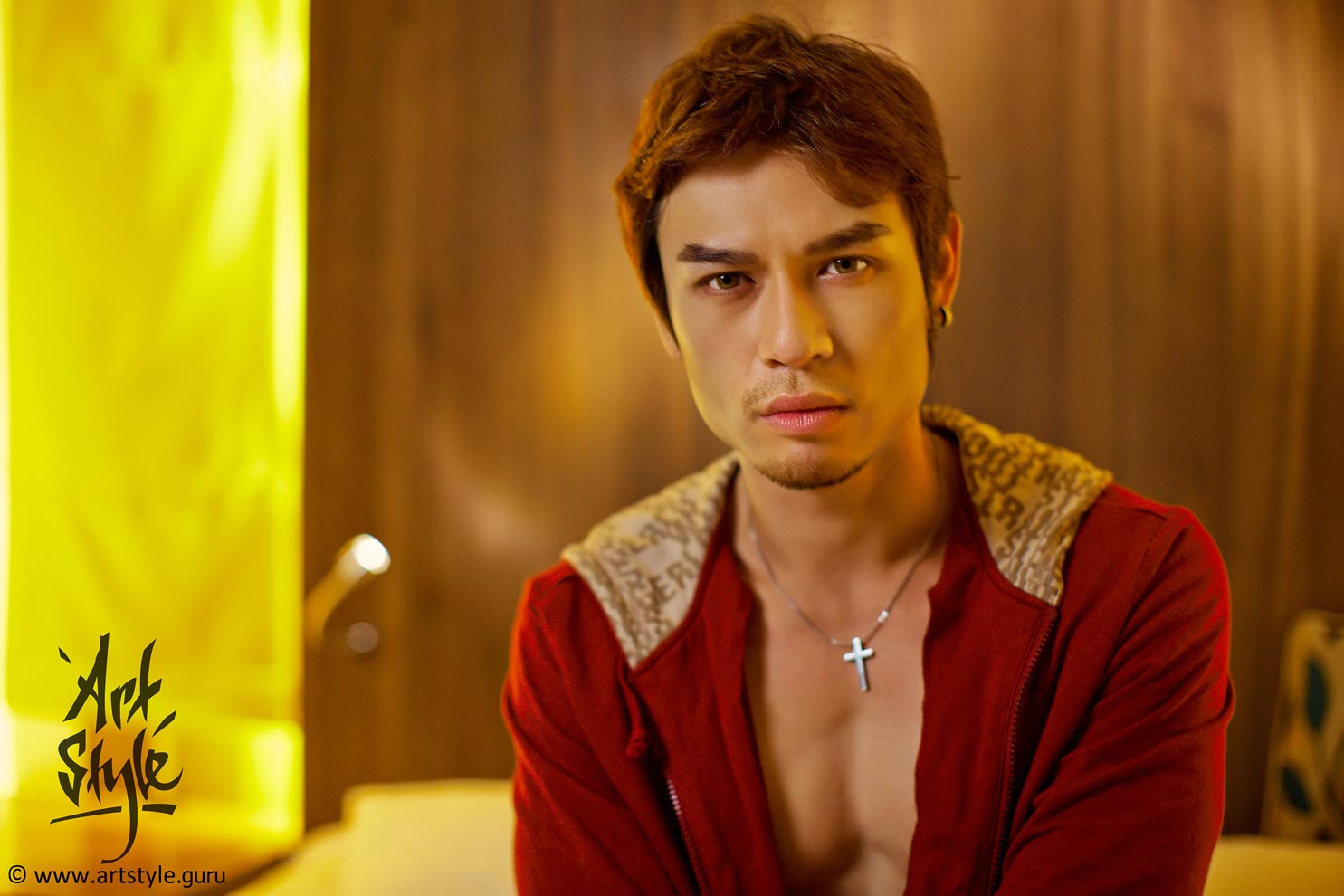
A professional, after all, isn't the one with the most equipment but the one who wrings the most out of what they have. This frame, for instance, was made with just a single off-camera light.