
Wide, ultra-wide & fisheye lenses
The wide-angle lens is a treacherous tool. Most people are sure it's no good for photographing people — that it distorts and stretches the figure. Yet in skilled hands it's the wide angle that yields the most powerful frames, full of air, perspective and the space around the subject. Let's go through the whole family of these lenses — from the classic wide-angle to the fisheye.
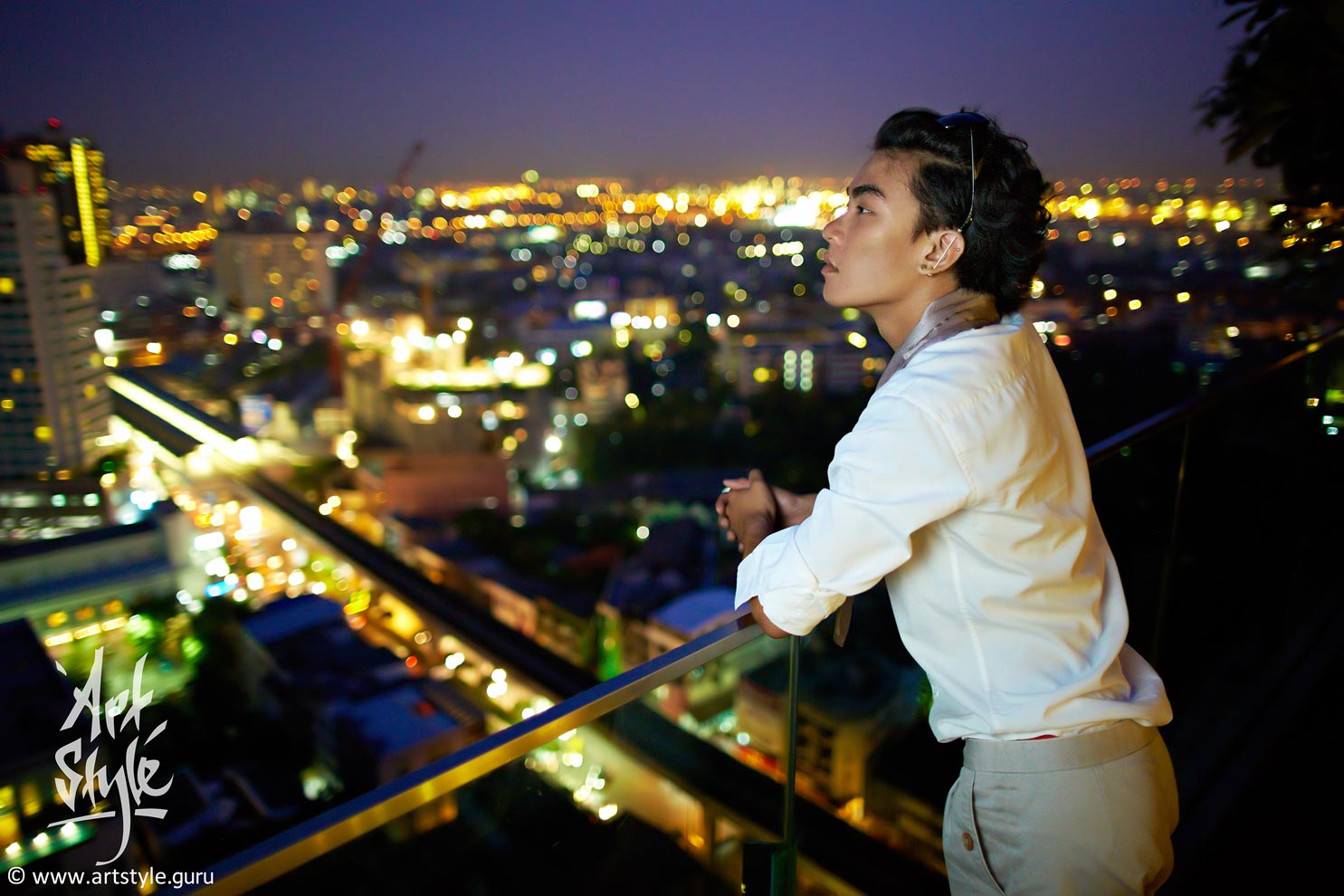
The wide-angle lens is rarely chosen. And yet it lets you bring an expressive background into the frame — even in tricky light (here a 24/1.4 lens did the work).
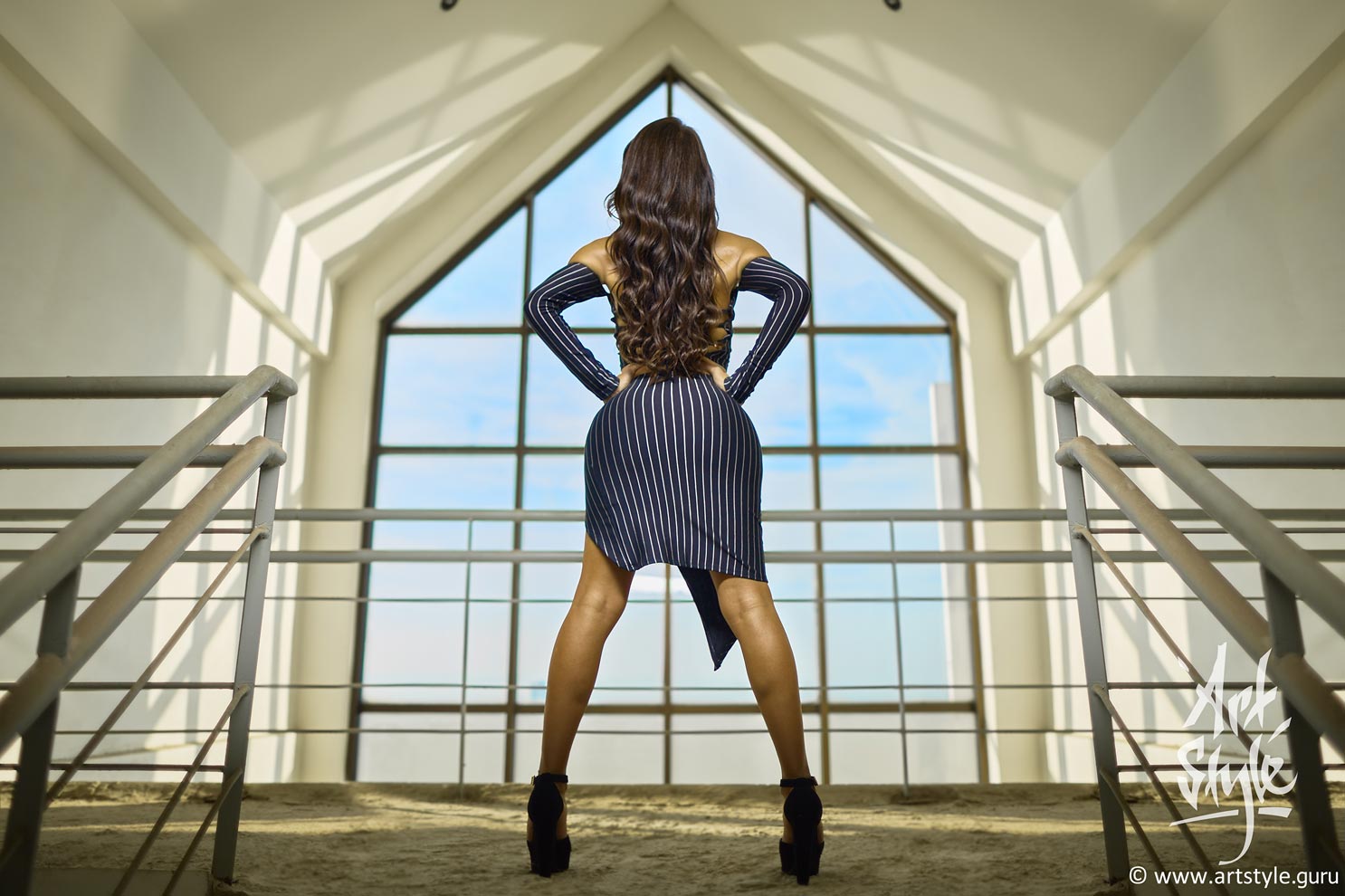
Such a striking perspective and such expressive shapes are possible only thanks to the right lens (a 24/1.4) and the right angle — the lowest possible viewpoint, up close.
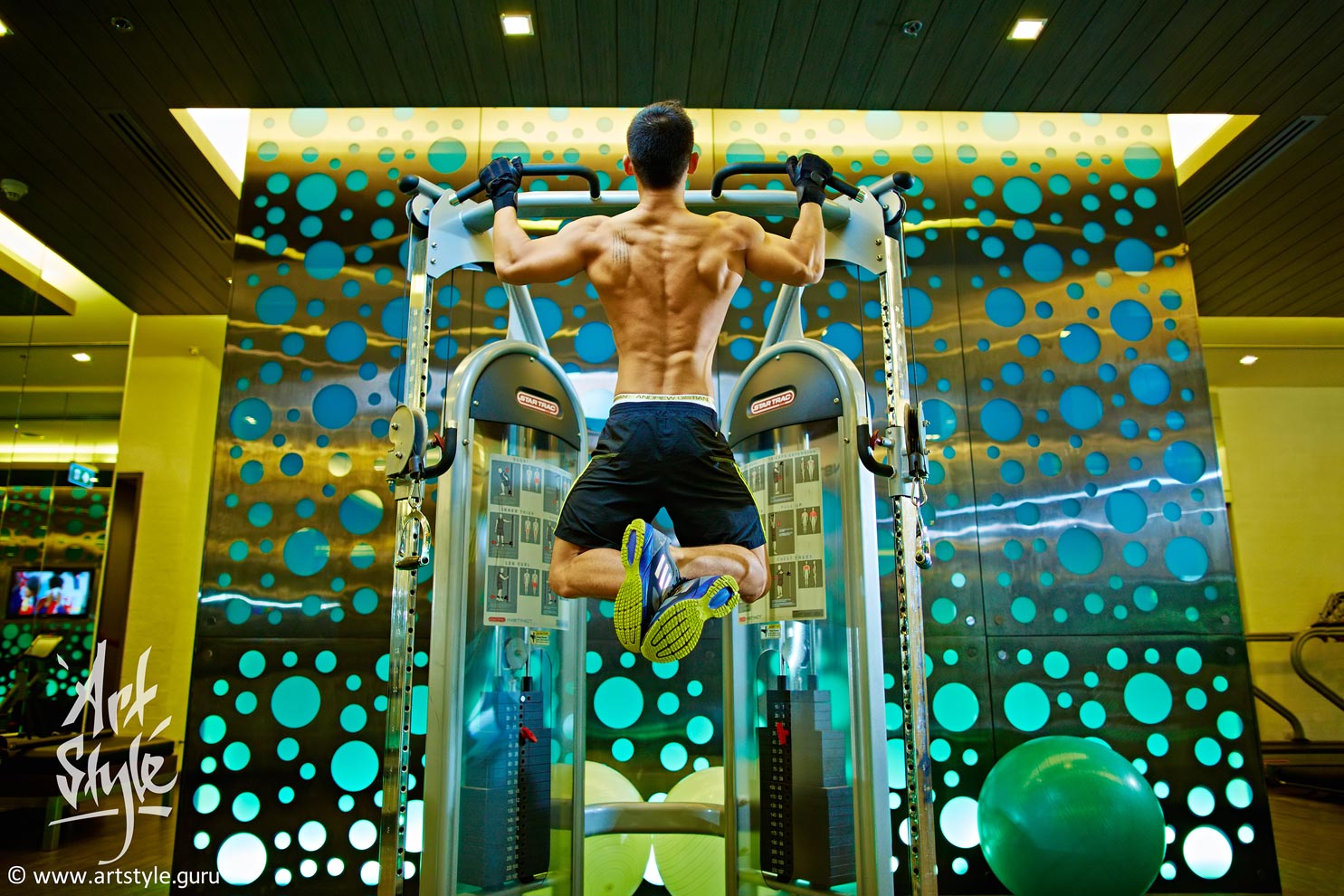
Fast wide-angle lenses are a rare and specialised thing, but this shot called for exactly that — a 24/1.4. The speed was needed to bring out the lighting on the wall, and the wide angle to create a sense of power (and, more prosaically, to fit the whole model in — there was nowhere to step back to).
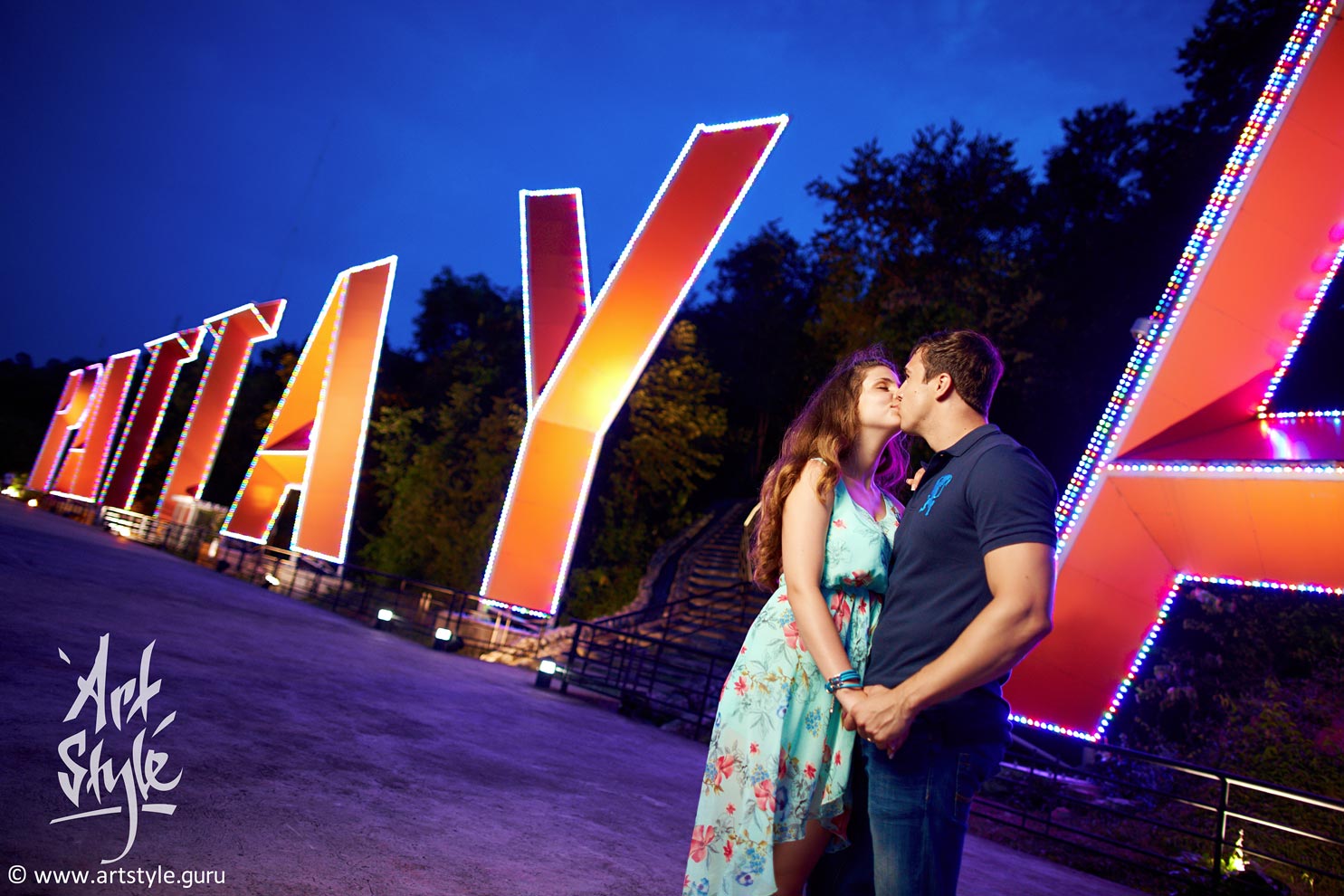
Probably the most recognisable spot in Pattaya. To capture it properly you need precise timing (about ten minutes after sunset), an external flash, and that same ultra-fast wide-angle 24/1.4.
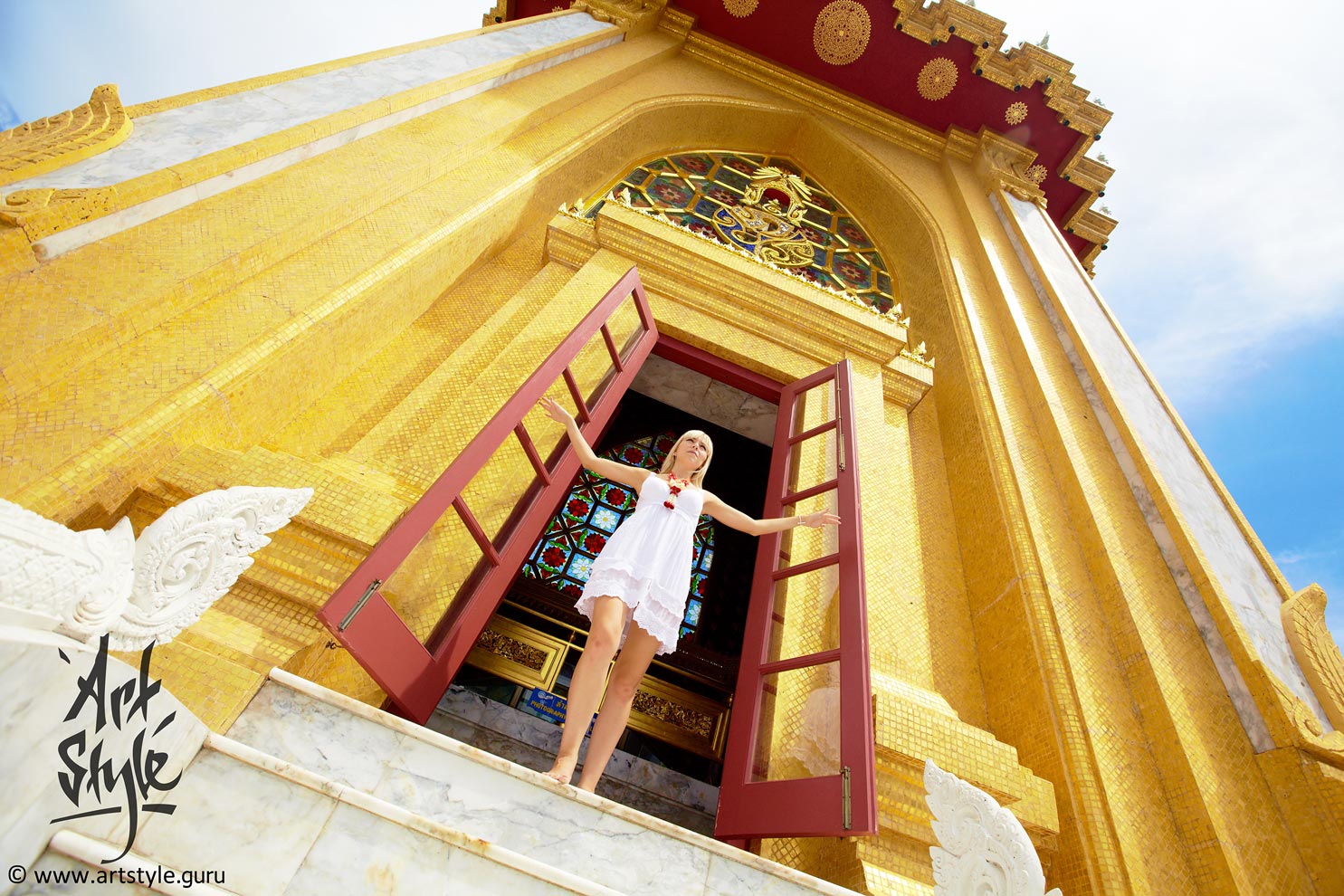
A super-wide angle is rarely chosen for photographing people. And that's a shame: 16 mm, a Dutch angle (a moderate tilt of the horizon that lends the frame energy) and a low viewpoint — handled well, it gives an excellent result.
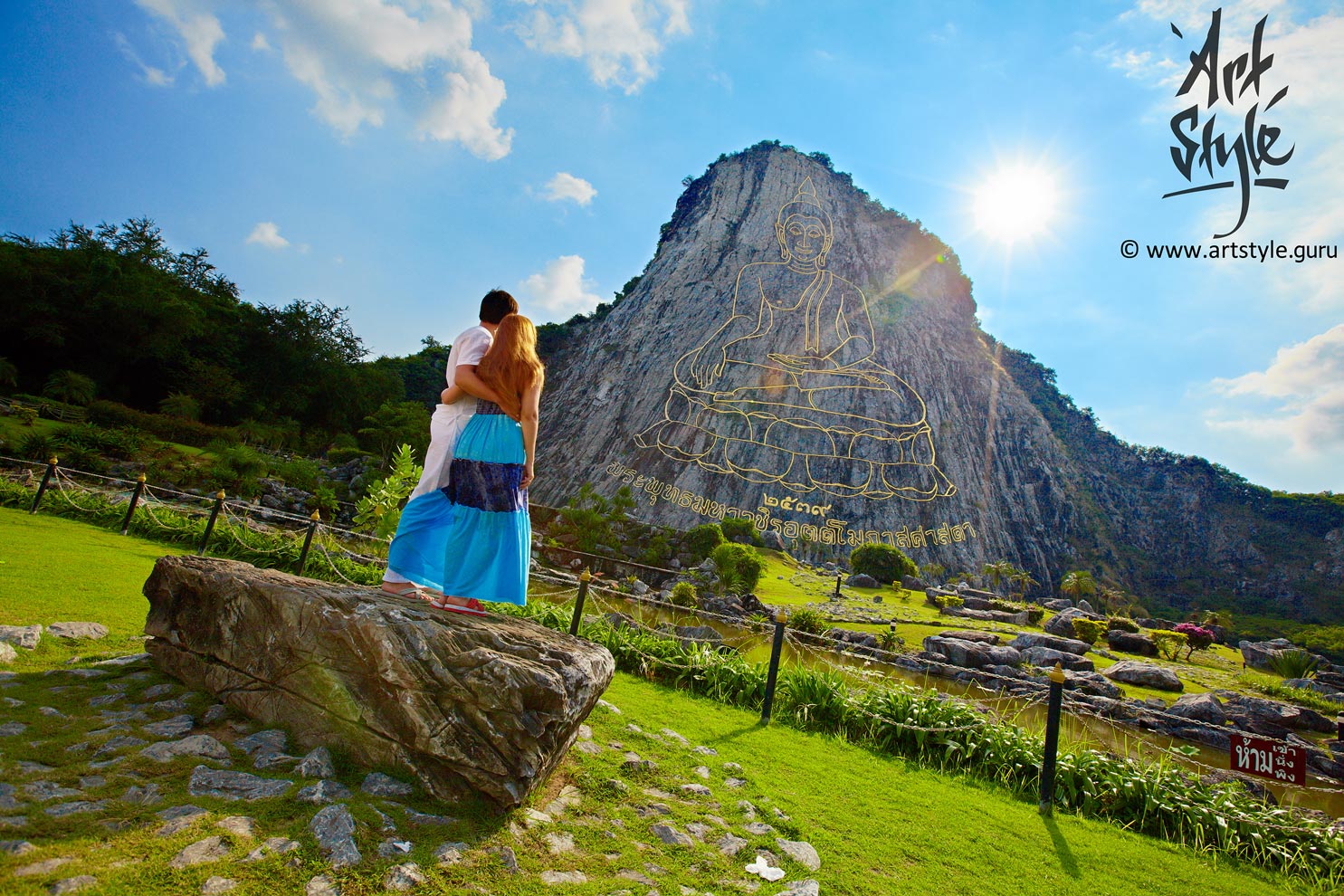
One of the hardest tasks in portraiture is to show not just the subject but everything around them. Beginners reach for a telephoto; professionals reach for a wide angle.
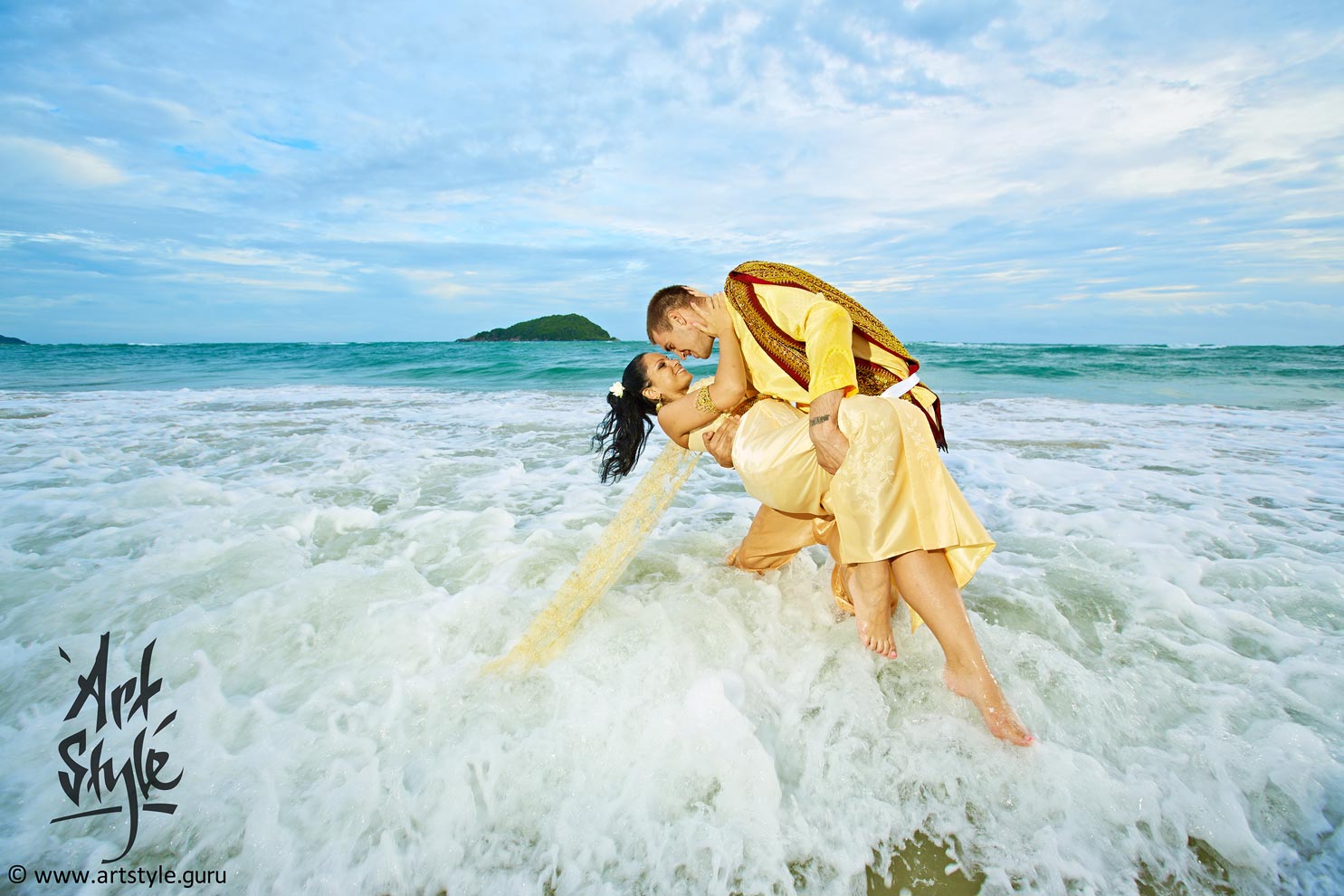
At the sea, an ultra-wide angle turns even the most unremarkable ripple into spectacular waves. Were these waves real, the couple would be swept away in a second — and, with them, the photographer and his expensive camera too 😎
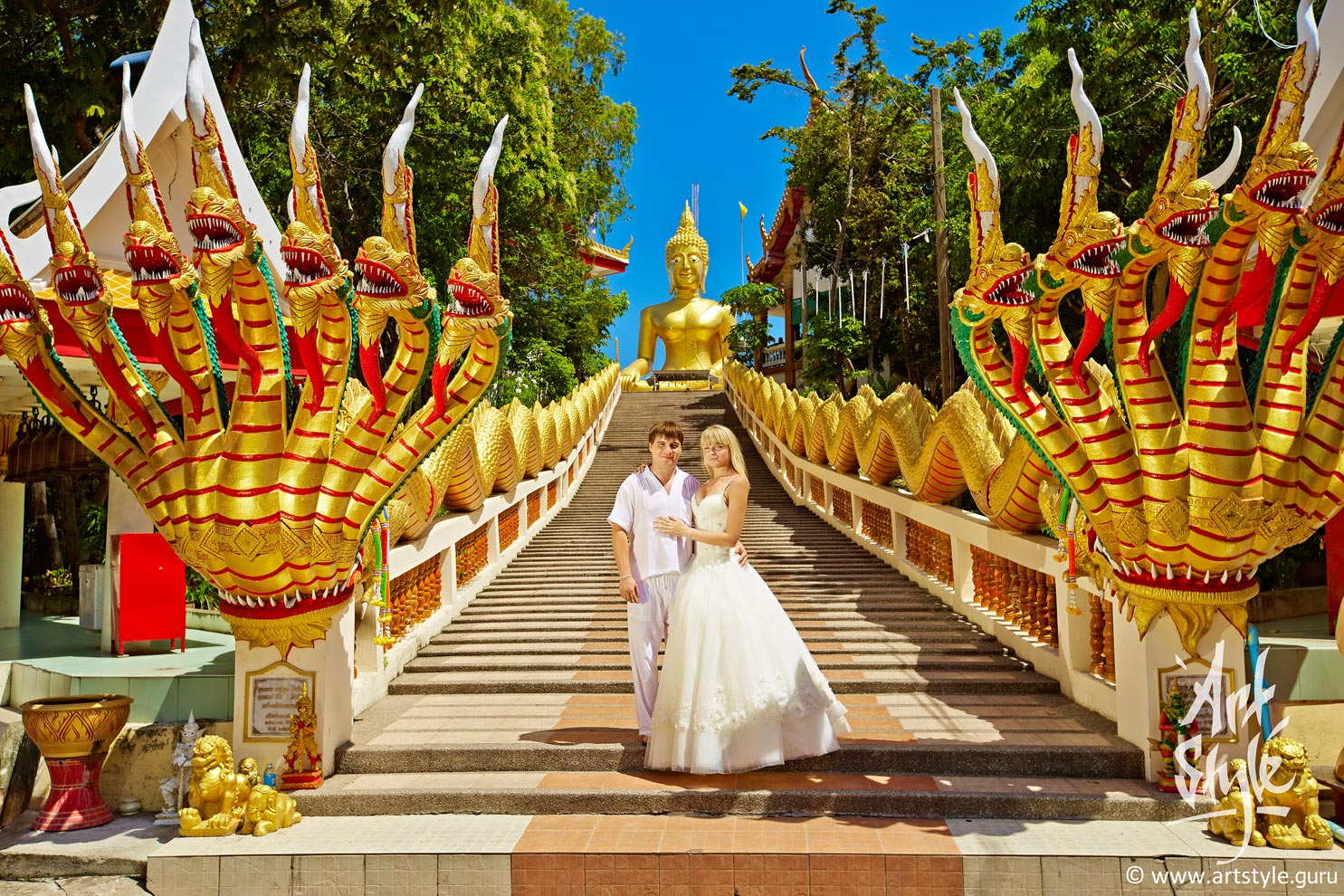
An ultra-wide angle on people has to be used with great caution. More often than not, the geometry of so wide a view stretches the model's body almost into a victim of a nuclear blast. To avoid that, you need to shoot from at least two or three metres away.
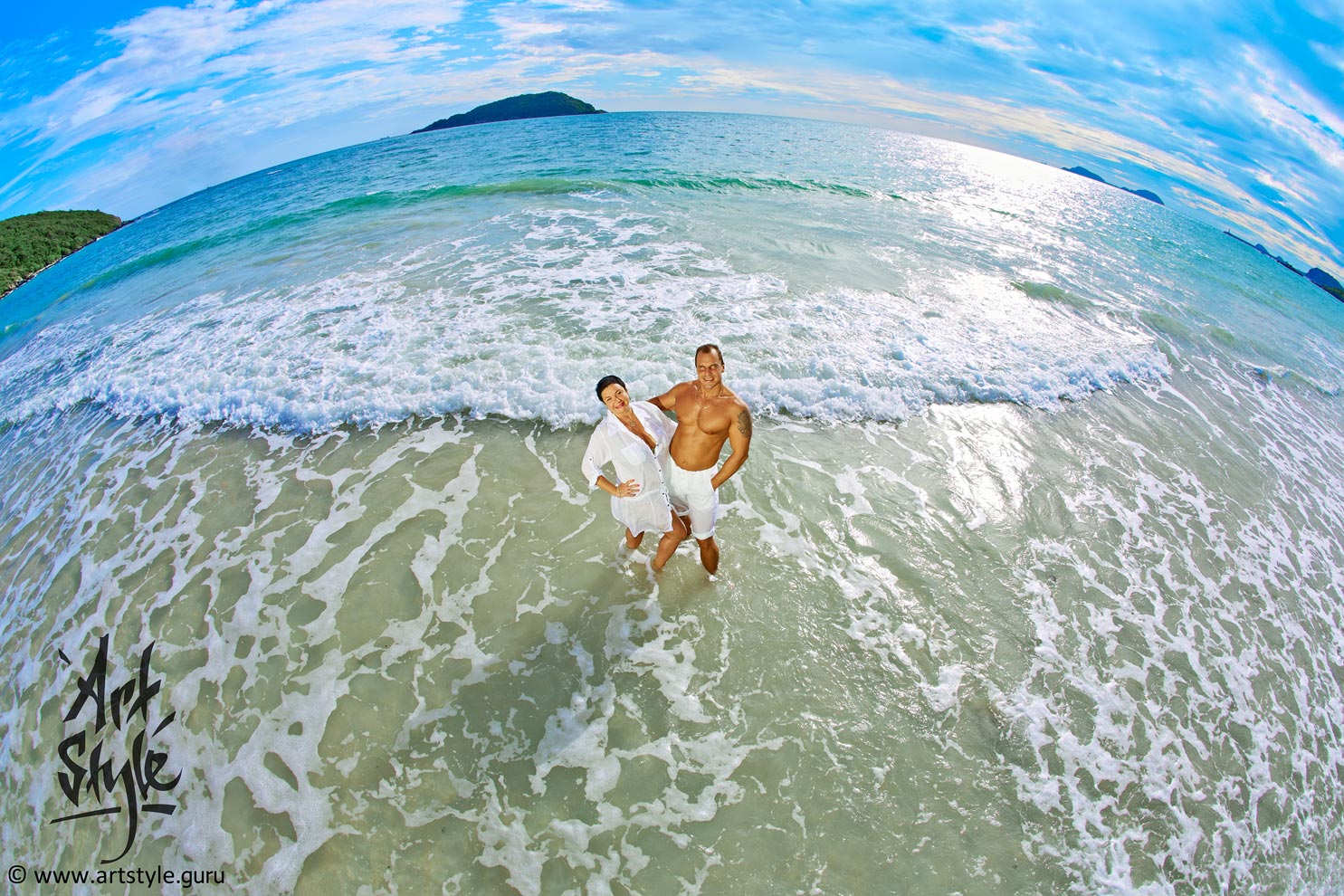
And here's the fisheye. Thanks to its optics, the frame looks as if it were taken from a very high vantage point — though in reality neither a drone nor a stepladder is needed: the lens alone does it all.
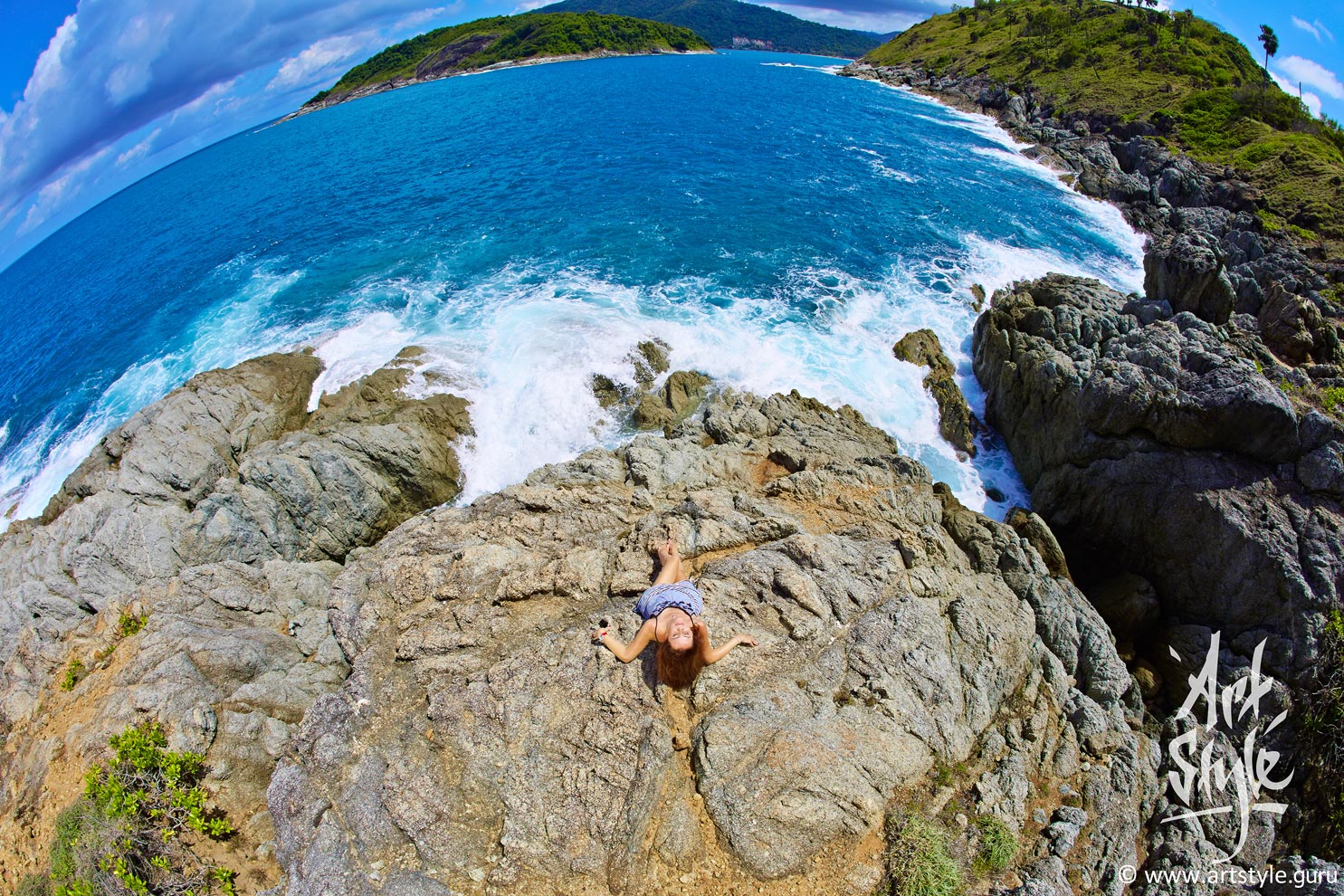
The fisheye is a lens for special effects, and it takes some know-how to handle. The key rule: don't let the model get too close to the lens — then the body's proportions won't go awry.

The same fisheye at a party gives a unique perspective and strikingly dramatic frames. The trick is that it renders the main objects — the human figure above all — with almost no distortion, provided you shoot from a couple of metres and keep the subject nearer the centre of the frame.
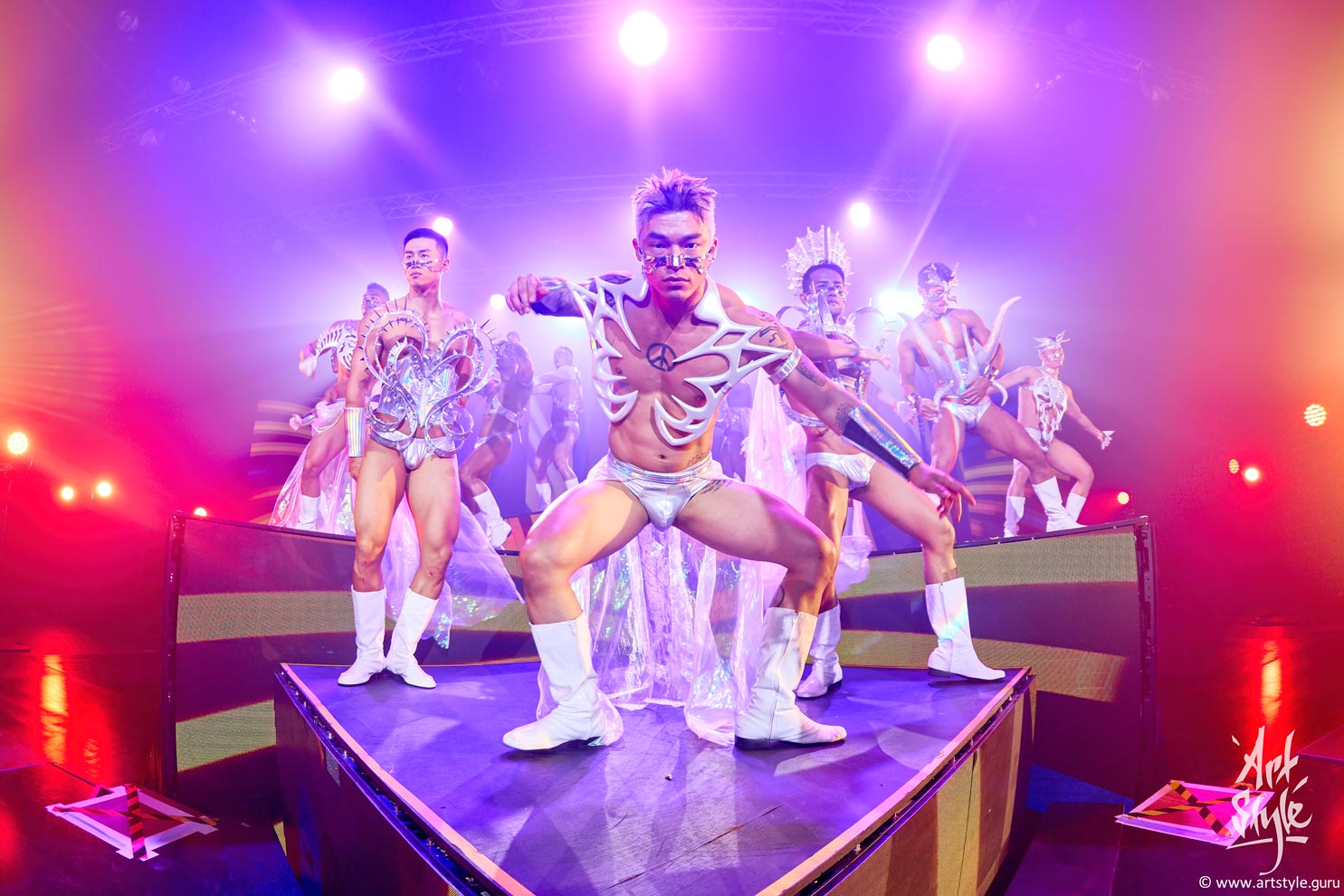
Used skilfully, the fisheye creates the effect of the model invading the viewer's personal space. And it does so with less geometric distortion than a plain ultra-wide angle.
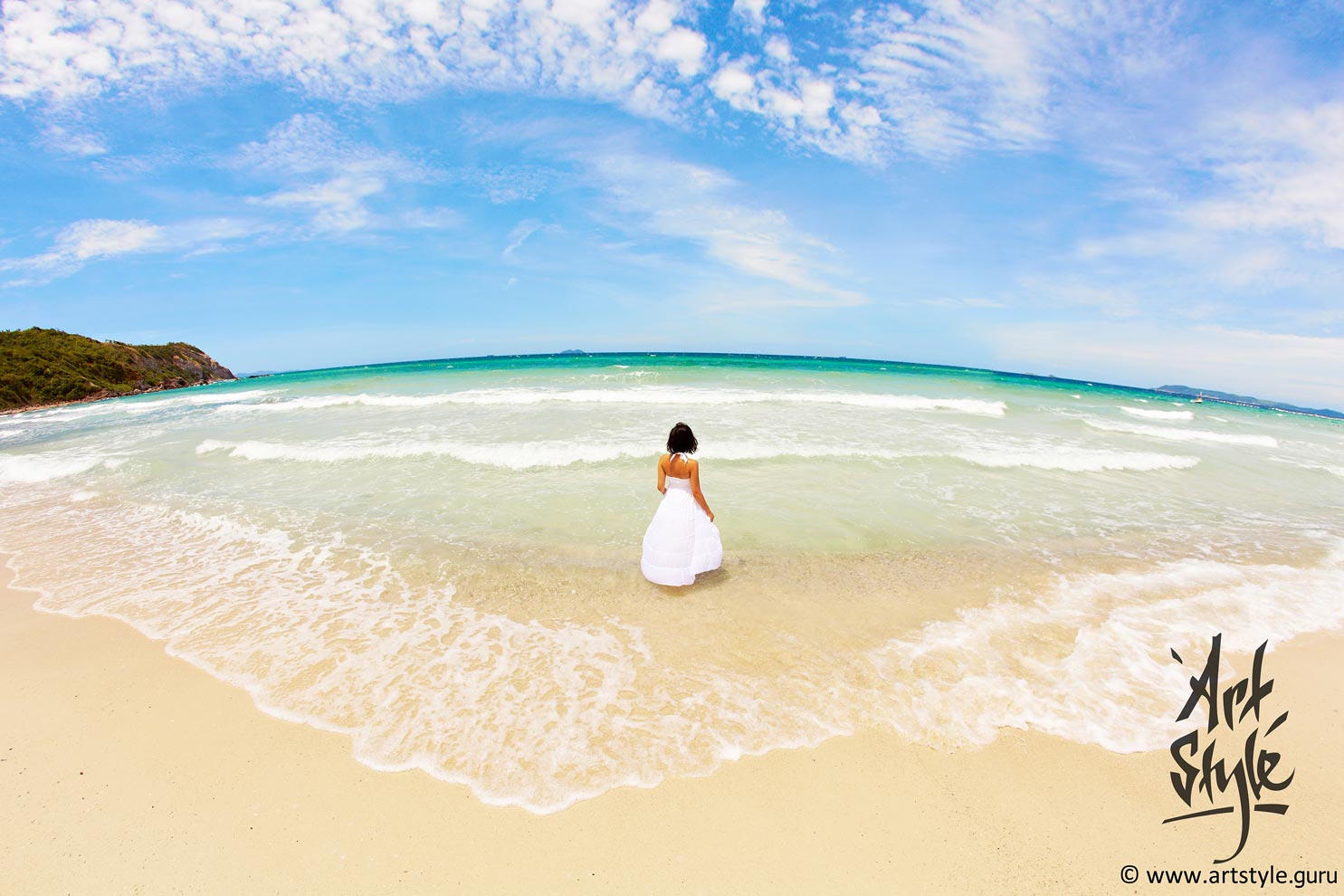
A well-judged fisheye, too, lends even a narrow strip of beach a grand sweep, and the sky a dramatic expressiveness.

Shooting beautifully with an ultra-wide angle is hard: you have to fit a whole crowd of objects neatly into a single frame — objects whose brightness, colour and contrast, on top of everything, often differ from one to the next. With a fisheye — the most extreme of the ultra-wides — it's harder still. And here's one of the secrets: the “ceiling” of the composition should look impressive and carry meaning.