
How to Choose a Photographer the Right Way
In this article I'll explain how I myself — a working professional photographer — would go about choosing a photographer.

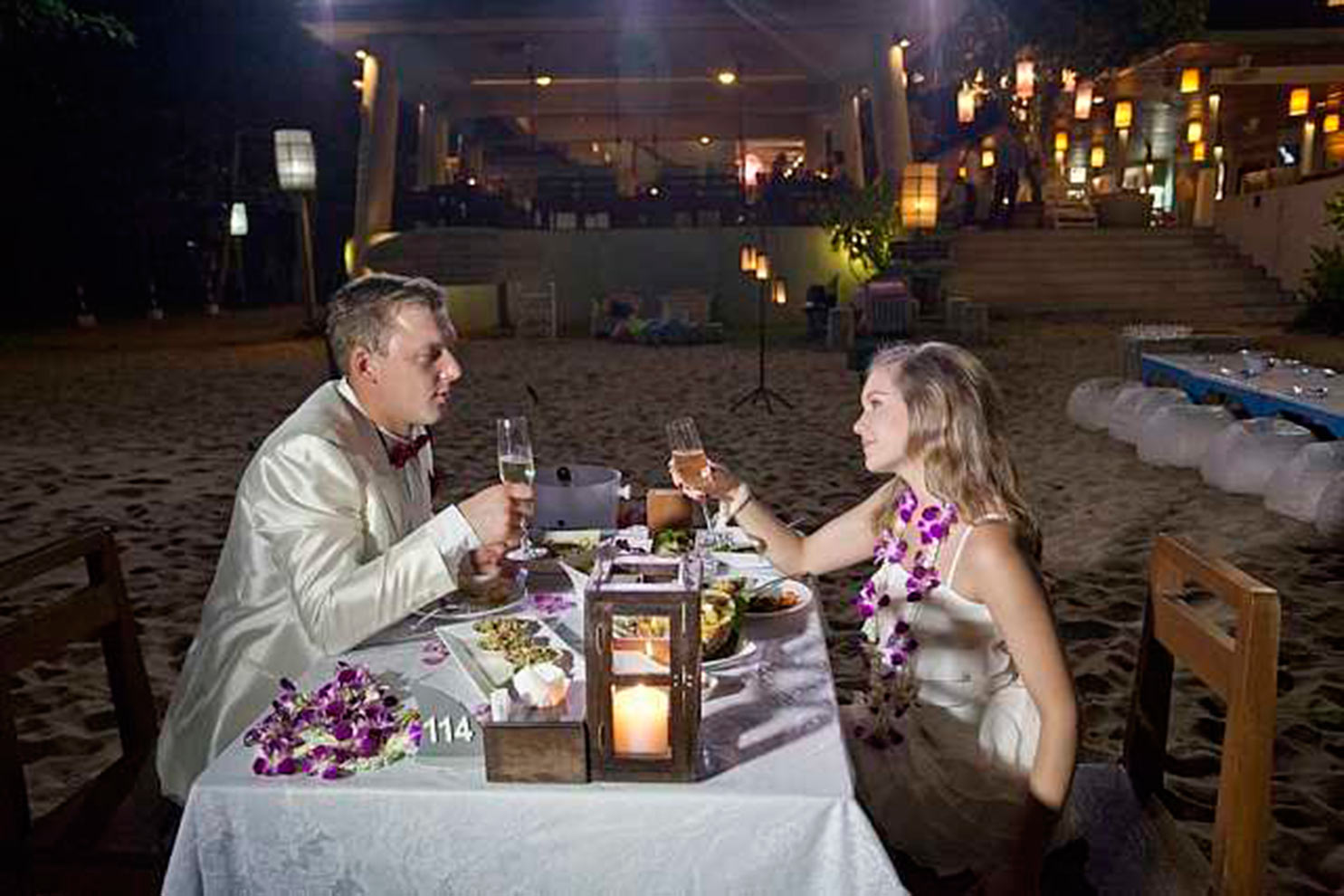
It's convenient being a photographer — when you need to, you're your own model 😄 But situations still come up where you simply can't manage without another photographer's help. So, here is my task: to choose a photographer who would do a quality job of capturing an important event of mine — a wedding / a funeral / your own option 🙂 Here is the selection algorithm I'd suggest:
Identify the pool of photographers whose style you like. Photographers understand beauty differently, and so they approach shooting and editing differently too. Some love muted colors and Instagram-style sepia; some love maximum sharpness across the whole frame; some lean hard on Photoshop… Personally, I like clean, vivid colors with good microcontrast and moderate sharpness — to my mind, photos like that create a feeling of lightness, of being lifted off the ground. And that's the kind of portfolio I'd be choosing from.
In short: the photographer's sense of beauty and the client's have to match, otherwise the result of the photographer's work may fall far short of the client's expectations. A quick, first-impression stage.
Review the shortlisted photographers' portfolios in general terms. At this stage there's no point spending too much time studying every single shot in a portfolio in detail. The same "fits — doesn't fit" principle applies here as in point 1. It helps you weed out the obviously unsuitable candidates quickly and efficiently. So:
- The portfolio shouldn't be too big — a photographer who can't pick out their own best work looks more like a craftsman than an artist.
- The portfolio shouldn't be too small either, and it shouldn't be full of photos of the same few people — otherwise you risk picking an inexperienced photographer.
- The portfolio should match the subject of the shoot you're planning. A photographer who specializes only in shooting animals is unlikely to do a good job at a wedding (well, except once the guests have had a few drinks — by then their behavior won't differ much from a troop of monkeys, and a wildlife photographer will capture that beautifully 😄 ). If a photographer works across several kinds of shooting, their work is usually presented in separate portfolios.
In short: a good portfolio on a given theme (weddings, for example) usually consists of 30–100 photographs, with the same people appearing in 1–4 shots at most. A quick, first-impression stage.
Study the shortlisted photographers' portfolios in detail. The shots in the portfolio should be completely free of gross photographic mistakes. Such mistakes include:
- An overexposed photo: a white (blown-out) sky, or a white bridal dress with no texture.
- Sweaty, shiny faces; closed eyes from blinking; an unflattering mouth caught mid-word.
- Strangers in the frame.
- Objects "growing" out of the subjects' heads.
- Technical defects: photos that are too soft, too noisy or too dark.
- A lost main subject (a shot that's "about nothing").
- Obvious composition errors (describing them in detail would take too long — go by your sense of beauty).
- Tilted vertical lines on buildings, a tilted horizon (the exception being the so-called "Dutch angle").
In short: there should not be a single gross photographic mistake in the photographer's portfolio! If this is what a photographer's "best of the best" looks like, what do all the rest look like?..
Get in touch with the photographers. Ask them for the full price list and a detailed description of the services they provide (how the photographer counts working time, how many photos and at what quality you'll receive, how many of them will be edited, how long the editing will take, and so on).
In short: an experienced photographer already knows their clients' typical questions and, at the very first contact, gives the client a detailed description of their services unprompted (usually 2 to 6 pages of text).
From here things can go one of two ways:
- If the photographers' fees blow your budget even for the minimum package, you should run through points 1–4 again, or at least lower your requirements in point 2.
- But if you were planning, say, 4 hours of shooting and your budget against the photographer's rate only stretches to 2, it's worth continuing the algorithm in order to work out whether the photographer is worth the money.
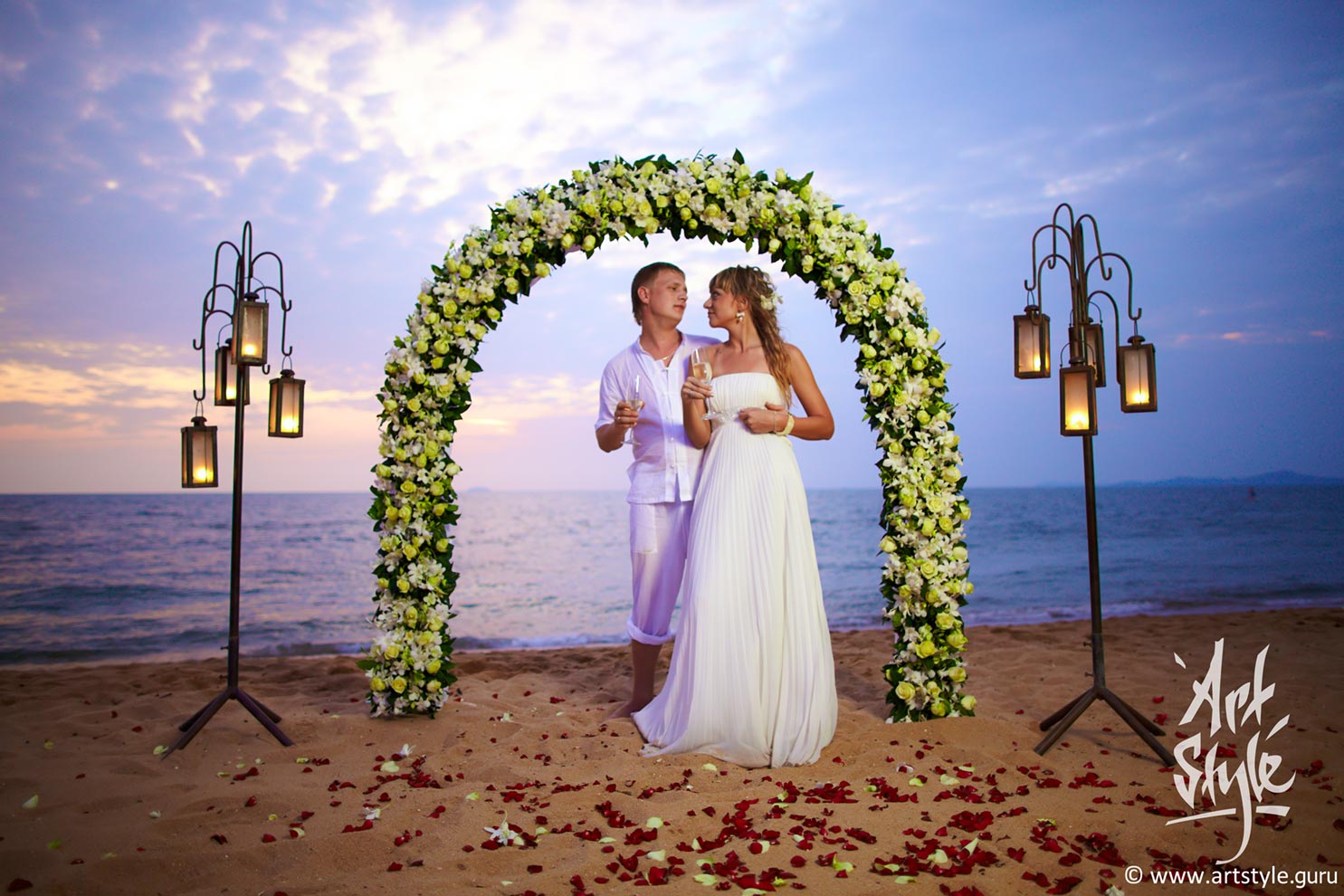
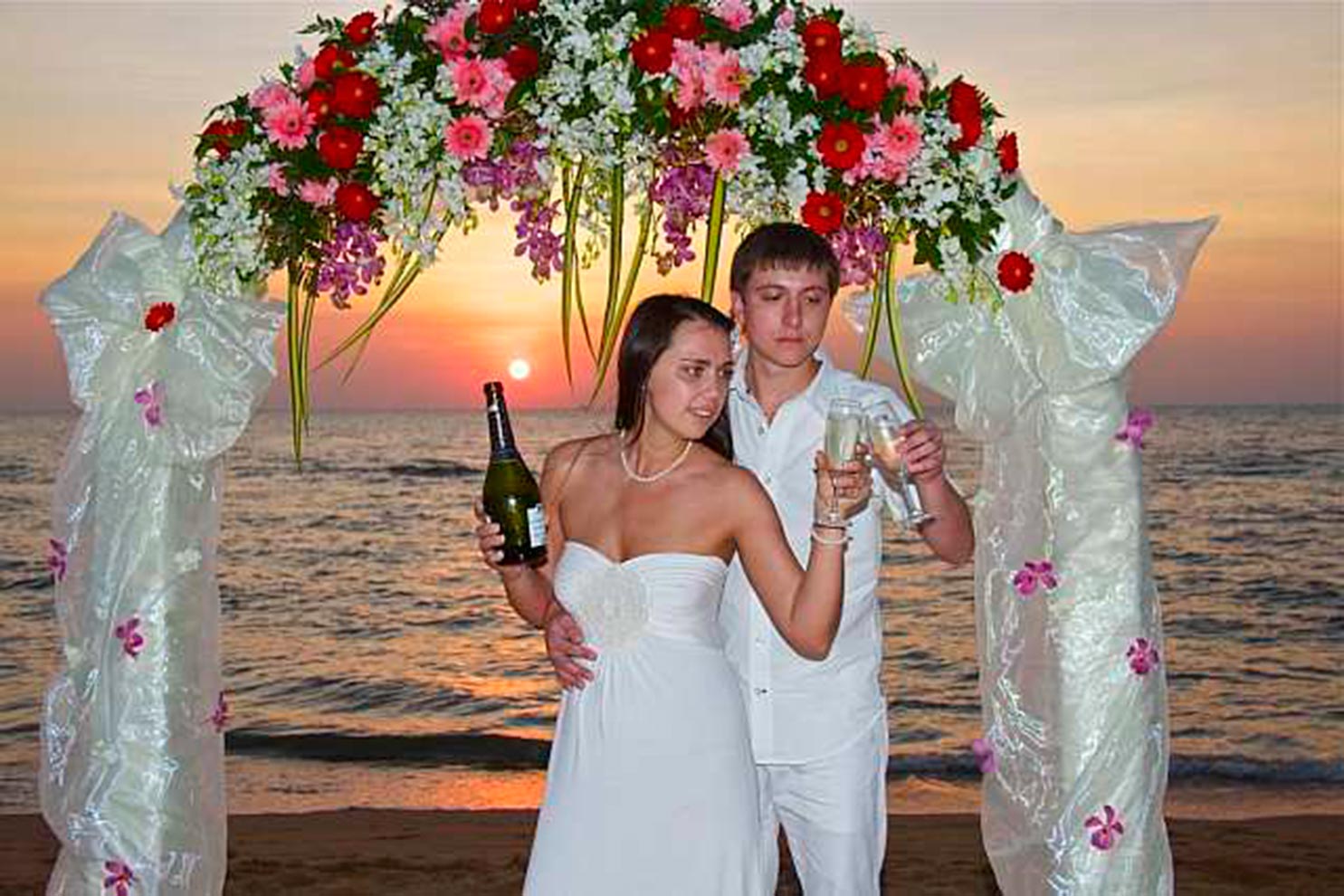
Gauge the photographers' level of professionalism. There are several criteria here. The more of them a photographer meets, the better:
- Ask the photographer for a list of the gear they use. At a minimum it should be a full-frame camera with a couple of fast prime lenses. This minimal kit makes it possible to shoot well in low light and to make the important subject of the shot — you — stand out cleanly, blurring everything else away.
- Find out whether the photographer uses external light sources (monolights, flashes, continuous light, reflectors). Often the ones who boast that they shoot exclusively in natural light simply don't know how to use a flash properly. Naturally, a "pro" like that can't keep shooting once the light fades.
- Find out whether the photographer works with an assistant. Working with an assistant makes it possible to reach studio-quality results without losing the speed and responsiveness of working on location.
- Find out whether the photographer has an official permit to work. You'll agree it would be very unpleasant to have your photographer arrested right there in the registry office (at home — by the tax police) or on the beach (abroad — by immigration officers). You can't replay a wedding just because the photographer went missing…
- Find out whether the photographer has their own website. What professionalism and serious attitude to the work can we even talk about if a photographer asks $200–600 for a shoot, photographs (by their own account) almost every day, yet can't spare even $50 for a simple business-card website?
- Will the photographer give you the shots in RAW format on request? As a rule, photographers whose shooting technique and equipment leave a lot to be desired lean heavily on Photoshop in post in order to hand the client at least some kind of result. Naturally, they're too embarrassed to show the original frames 😄 RAW format will also come in handy if you ever need quality prints at high resolution, or if you're planning to study photography or post-processing (from a RAW file you can develop a frame to suit your own taste and skill level).
Ask them to send a COMPLETE photoset from a shoot with a roughly similar subject and location. The hardest point. This is exactly where most potential candidates fall apart. Why does that happen? Even an amateur can take one very good shot over the course of a session. Those are the shots that end up in the portfolio. A professional, by contrast, isn't expected to make every single frame a masterpiece — they're expected to make ALL the frames no lower than good. An amateur or a beginner will never manage that. It's fine for the photographer to send the photoset at a small resolution (say, 1500×1000 pixels per frame) and with a logo across the whole frame. After all, they don't know — maybe you're a potential competitor who uses other people's photos in their own portfolio?
In short: on request, the photographer should send you the complete photoset, and you should like it.
Assess whether the photographer is worth the money. The easiest way to assess this:
- Look online to see how much it would cost to rent the gear the photographer uses.
- Work out the sum for which you yourself would be willing to work 3–4 days as a photographer (1 day of shooting + post-processing time) plus 1 day as an assistant.
- If the photographer works legally, multiply the sum of the two previous points by the tax rate (roughly +35%).
- The resulting figure is the minimum a legally working professional would ask for a full day of shooting. The minimum — because it doesn't account for a budget for advertising, development, a reserve fund, and so on.
- Compare the figure you've worked out with what the photographer is asking. If their work costs significantly less, there's a catch hidden somewhere: the gear is dirt cheap, there's no experience, no time is spent on post-processing, they work illegally, and so on. Photography is a small business like any other, and no one will work at a loss. If the photographer asks significantly more than your figure, you can always find a photographer with a better price-to-quality ratio. In either case it's worth going back to point 1 or 2 and starting over.
In short: if you like a photographer and they're worth the money, but their work feels a bit pricey to you, it's worth thinking about reducing the scope of the order rather than looking for a cheaper alternative — the principle "less is more" still holds. As for a whole heap of low-quality photos, your friends with their phones will always make those for you free of charge 😎