
Catching the decisive moment — action & events
Reportage and the live event live in a fraction of a second: the instant when pose, light and composition all line up — and there's no reshooting it. Catching a frame like that takes a trained eye, anticipation, and a camera that can keep pace with the motion. A few tricks on catching the moment: from autofocus and the rhythm of a dance to a half-second exposure handheld — plus a couple of stories from the races, the parties and a crocodile's jaws.

The key to a successful photo is the precision of the composition — which comes only with practice — and the right moment to release the shutter, which, among other things, calls for a fast professional camera.
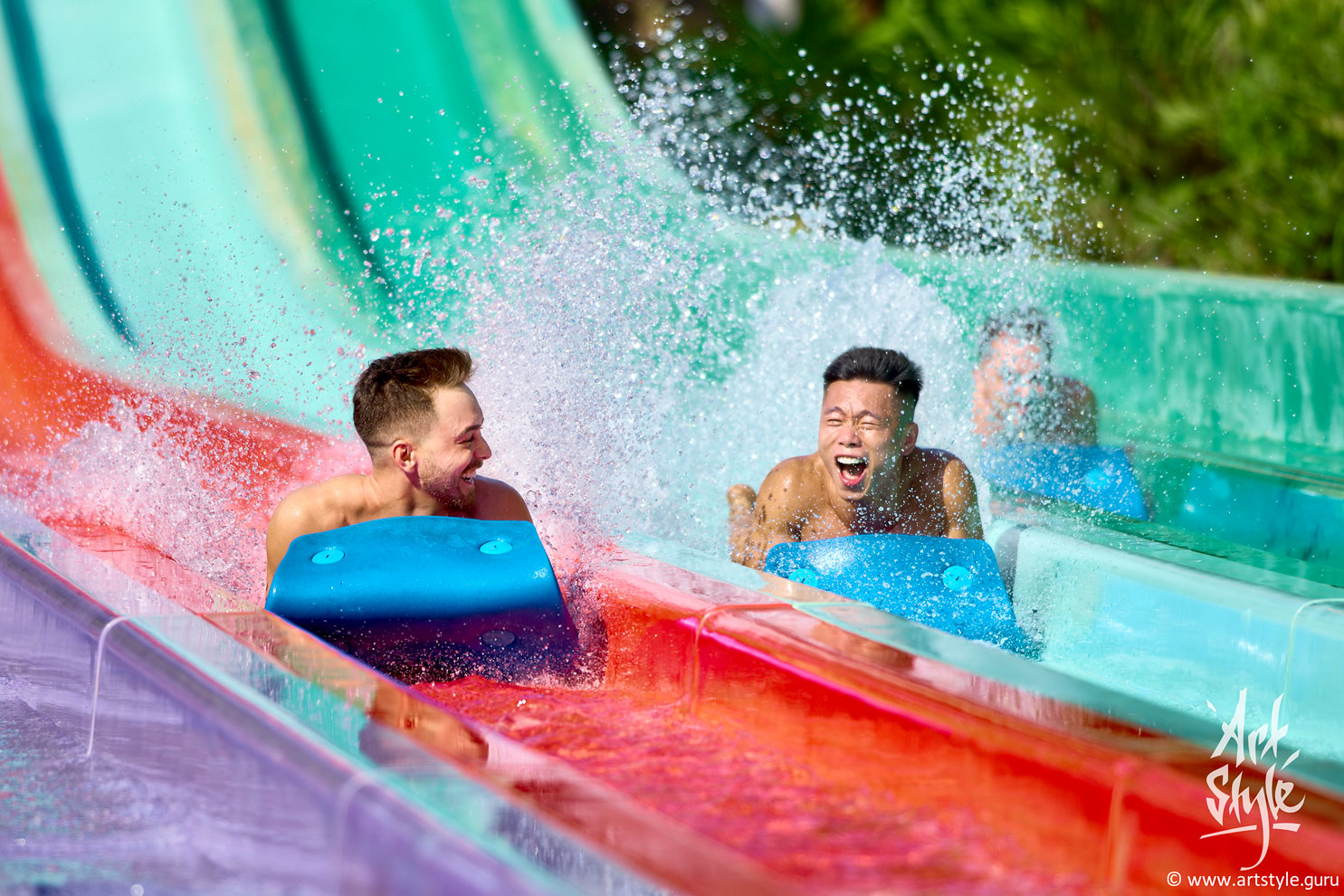
But a fast camera alone settles nothing. Today's top bodies have excellent tracking autofocus with face detection — yet it still has to be set up correctly for the situation (the Canon R5, for instance, offers around 200 options). And above all, the photographer has to predict what the subject will do in the next second, and where it will be.

Shooting a model in motion is a very rewarding kind of posing: she's focused on the action, the stiffness falls away on its own, and the picture gains in dynamism. The price you pay is in skill: catching the right phase of a movement is far harder than a frozen pose.

A good dynamic shot takes real effort — from the photographer and from the model, who has to run back and forth at the limit of her strength. The hardest case is when she runs straight at the camera: that's the real test of how fast both the photographer and the gear can keep up with the motion.

Dynamic shots of the sea always look wonderful — but they add one more, special demand: weather sealing. Spray and salt mist spare neither camera nor lens, and there's no reshooting a wave once it has broken.
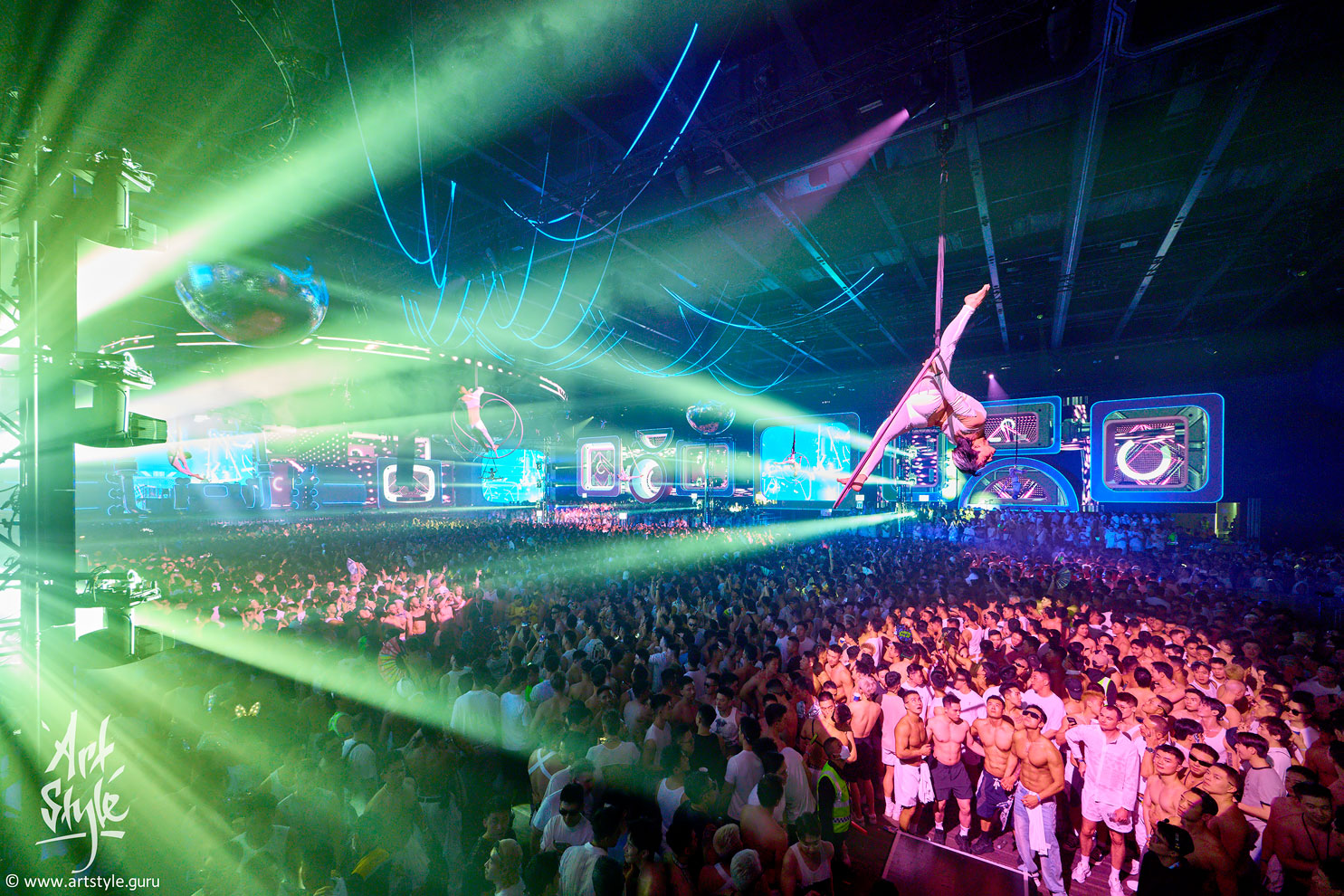
When you photograph dancers and performers, the most expressive poses are the 'open' ones, briefly held. To catch such a moment the photographer has to follow the rhythm of the music closely: dancers strike their poses on the strong beat, or in the little pauses of the track.
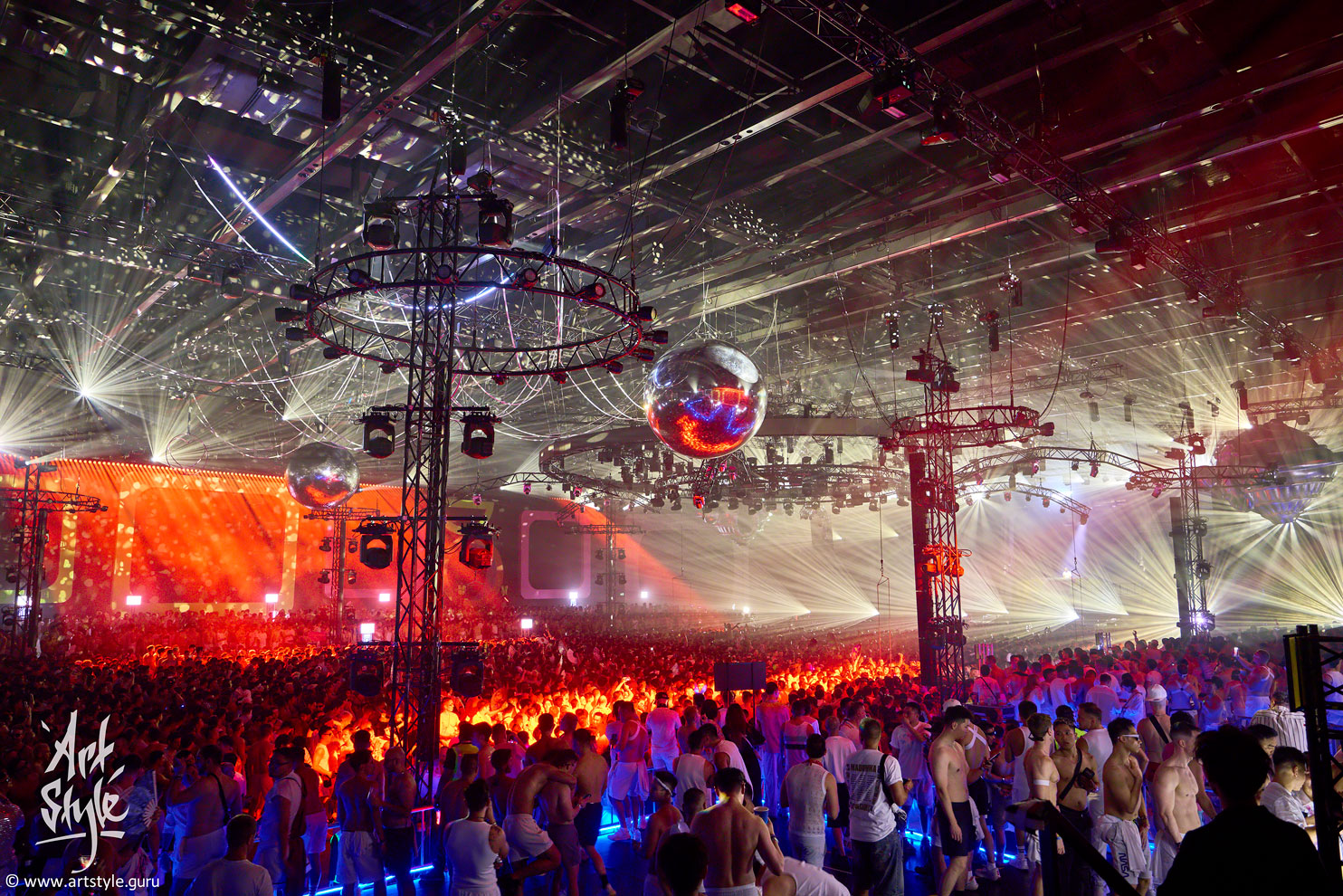
One effective way to get a deeper, three-dimensional feel in a picture is backlighting. But it's important to use — or catch — it in moderation: otherwise the shot loses contrast and parts of it blow out completely.
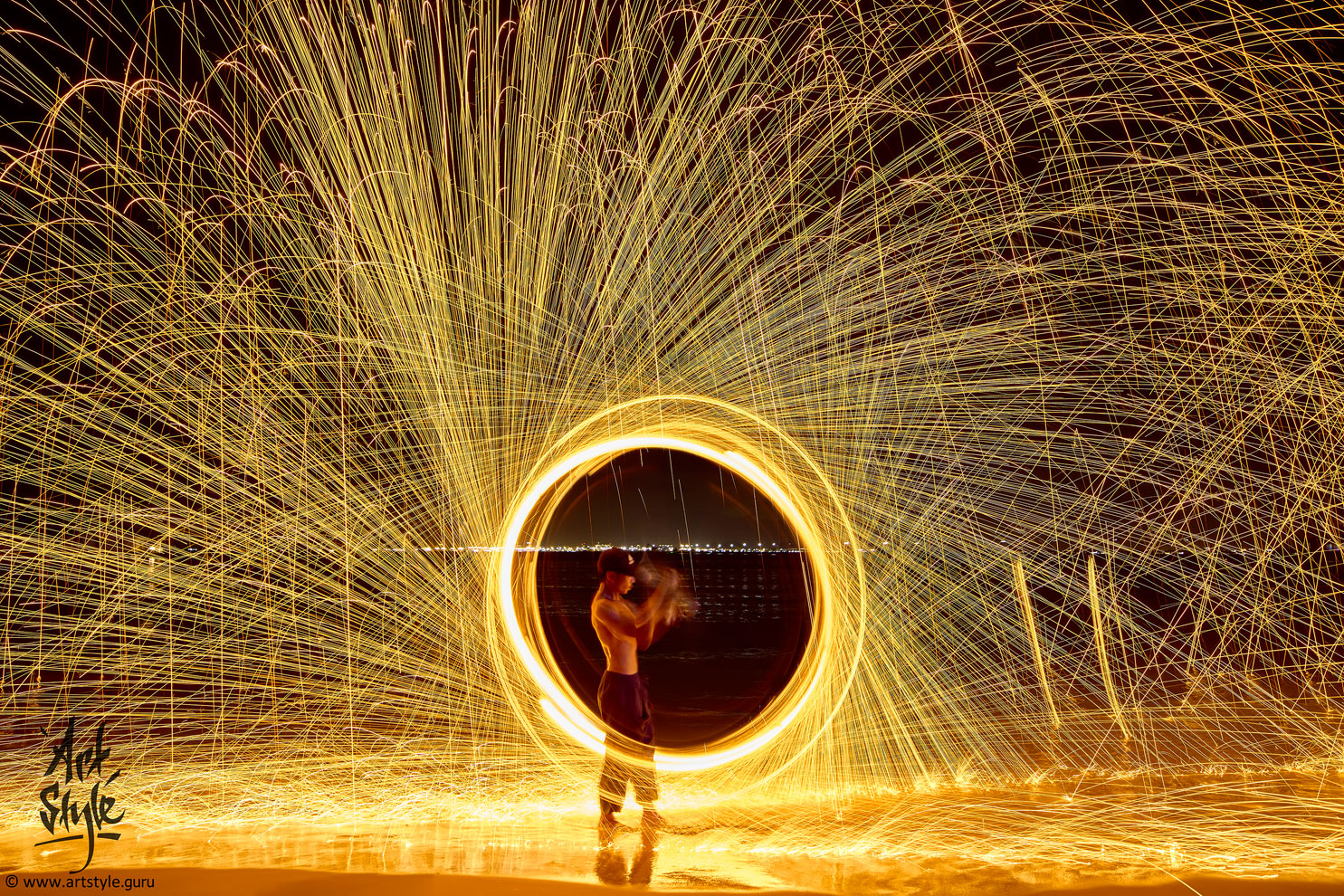
To take a shot like this handheld during a reportage, you need iron hands and a flawless technique for long shutter speeds (here the shutter was open for half a second).

Allow me to present the club photographer's nightmare — lasers. Any one of these beams, if it catches the lens for even a hundredth of a second, will physically burn out the camera's sensor. If a repair is still possible, you'll be 'lucky' to the tune of $1,500–2,000. If the damage is too severe, you're buying a new camera for $4,500.

One intriguing way to bring dynamism into a single frame is to collage the phases of the subject's action — all the more so when those actions are unfamiliar to most viewers.

Posing like this is not the least bit hard — anyone can stick their head into a crocodile's jaws without harm to their health. Getting the head back OUT, however, is another matter: at that moment the crocodile's grasping reflex kicks in, and the jaws snap shut with the sound of the lid of a heavy chest.

A good lover is a man who knows how to kiss a woman at the right time and in the right place. Much the same can be said of the photographer: the right time and the right place are everything to a picture.